REVIEW · NUSA PENIDA
Nusa Penida Try Scuba Diving Program – for Non-Certified Divers
Book on Viator →Operated by Pure Dive Resort · Bookable on Viator
The ocean looks big. This half-day try scuba setup in Nusa Penida is built to make it feel manageable from the start, with pool practice before you ever go out. I like the small instructor-to-trainee ratio (max two people per instructor in open water), and I like that you do a real swim test and float test in the training pool. One drawback to plan around: it’s only a good fit if you can swim 200 meters and stay floating for 10 minutes in deeper water.
You start at Pure Dive Resort at 10:30 am and you’re back there about four hours later. The value here is not just the gear or the reef; it’s the full “learn first, then go” flow—briefing, pool skills, then supervised time near the coral.
If you’ve got sinus or ear issues (or any respiratory concerns), you’ll want to think twice and confirm with your clinician first. Also, if you’re uneasy about being in deep water, this is still possible, but you’ll need to commit to the swim/float requirements.
In This Review
- Key things I’d bank on before you book
- Pure Dive Resort in Nusa Penida: what your morning actually feels like
- The 30–40 minute briefing: the rules that make you breathe calmly
- Pool practice first: swim and float tests that set the tone
- From pool to open water: boat ride, supervision, and a calm limit
- Coral reef time: what you might see and how to make it more enjoyable
- Gear, insurance, and the real value of the $120 price
- Who this is for—and who should reconsider
- Practical tips to get the best day out of your session
- Should you book this try-scuba session?
- FAQ
- How long is the try scuba program?
- What time does it start?
- Is this experience only for certified divers?
- What tests do I need to complete in the pool?
- How deep do you go in open water?
- How long is the underwater portion?
- Is scuba gear included, including a mask?
- Is a dive computer included?
- What refund options apply if weather is bad or I cancel?
Key things I’d bank on before you book
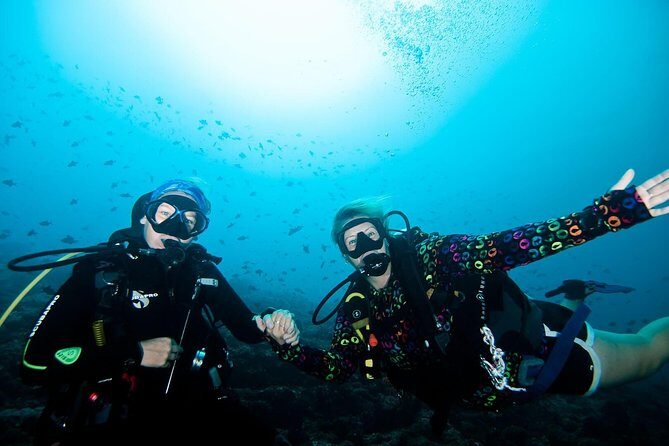
- Purpose-built training pool with step-by-step skill practice before open-water time
- Mandatory swim test (200m) + float test (10 minutes) for your safety
- Max two trainees per instructor in open water, so you get real attention
- Underwater time is typically 35–55 minutes at a 12-meter maximum depth
- Standard gear included (so you do not need to buy a mask)
- Dive computer not included, so plan to borrow one if you need it
Pure Dive Resort in Nusa Penida: what your morning actually feels like
I like the simplicity of the setup: you meet at Pure Dive Resort in Nusa Penida (Jl Ped – Buyuk, Ped). Your session starts at 10:30 am, and the whole experience runs about 4 hours. That time window is useful—fast enough to fit into a Bali trip, but long enough that you don’t feel rushed through the learning part.
There’s also a small comfort factor in how they run it. Your boat is waiting across the road right by the beach, which means the transition from training to open water is not a half-day logistics puzzle. It’s more like: brief, pool, then gear up and head out when you’re ready.
Group size is capped at 10 travelers, which matters. When a team keeps numbers low, your instructor can watch your breathing, your equipment checks, and your comfort level without juggling everyone at once.
You can also read our reviews of more scuba diving tours in Nusa Penida
The 30–40 minute briefing: the rules that make you breathe calmly
Before anyone heads out, you get a detailed 30–40 minute briefing covering the full experience: breathing underwater, equalisation, equipment basics, and safety procedures. This matters because “try scuba” isn’t just about getting into the water. It’s about learning how to control what your body does when you feel pressure, temperature change, and the unfamiliar sound/feeling of gear.
Here’s what I’d watch for during the briefing:
- Whether your instructor explains how to clear water from your mask
- Whether they walk you through equalisation basics so you’re not guessing when pressure starts
- Whether you understand what “success” looks like in the pool tests
The best part is that this is not a quick sales pitch. It’s framed as the start of a guided skill sequence, and the rest of the day follows that structure.
Pool practice first: swim and float tests that set the tone
Your pool section starts with two mandatory checks. First is a 200-meter swim test. Second is a 10-minute float test—in water deep enough that you can’t stand. These two steps are not there to be difficult. They’re there to confirm you can handle the physical realities of scuba training without panic.
Once you pass, you shift into the underwater basics in the pool:
- Getting used to breathing through the regulator
- Practicing simple underwater skills under direct supervision
- Building comfort with mask water clearing so the most common early hiccup doesn’t knock you off track
I also appreciate that the pool is purpose-built for this. A dedicated training environment gives you a controlled place to learn. You’re not relying on luck, waves, or visibility to figure out how to function in gear.
If you’re nervous, that pool step is often the difference between a scary outing and a confidence-building one. Real feedback from past participants highlights instructors like Budiana (often written as Budi), Axel, and Denis for their patient, supportive style—exactly the vibe you want while you’re learning to breathe underwater for the first time.
From pool to open water: boat ride, supervision, and a calm limit
After pool skills, you head to the ocean. Boats are waiting across the road, and the ride to the site is described as short, with conditions chosen as they’re at the time.
This is where the “safety first” approach shows up in hard numbers:
- Max two trainees per one instructor in open water
- Maximum depth won’t exceed 12 meters
- Your instructor supervises you at all times
That 12-meter limit is important. It keeps the experience in the training-friendly zone where you can focus on procedure and comfort rather than struggling with depth-related stress.
Also, your underwater session typically lasts 35–55 minutes, depending on your air consumption. That variable is normal in scuba, and it’s a good reminder: this program prioritizes learning and safety over setting a fixed “length” underwater.
Coral reef time: what you might see and how to make it more enjoyable
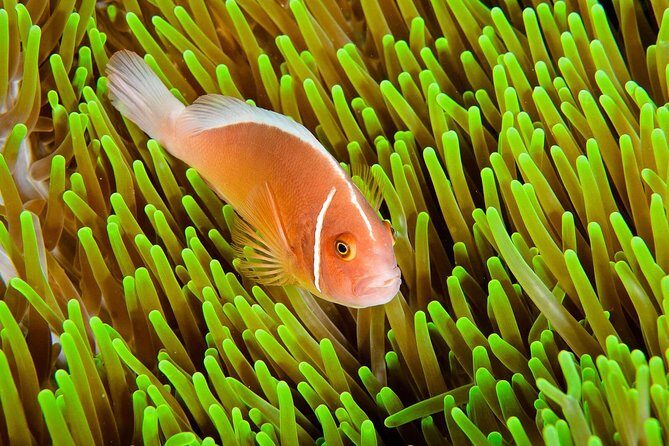
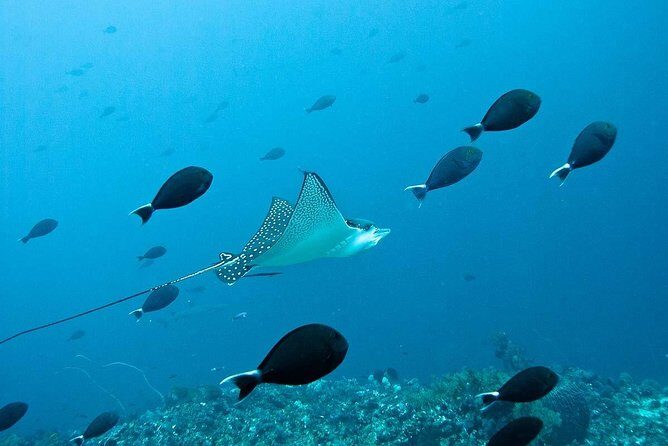
Nusa Penida’s reefs are a big part of why people choose this island. The program is designed for you to get up close to coral and tropical fish without needing certifications. In plain terms: you’re there to experience the reef as an organized first step, not to chase the most extreme route possible.
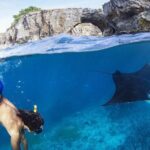
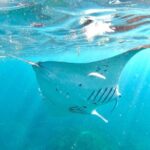
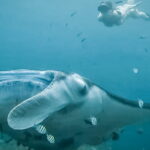
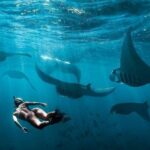
One past first-time diver shared that they encountered manta rays during an introductory session. That’s not something you should count on every time (conditions vary), but it does tell you the area can deliver memorable marine life, even when you’re still learning.
To enjoy your time underwater, focus on three things:
- Control your breathing and slow your movements
- Keep your body position steady so you don’t kick coral
- Stay aware of your air so you don’t rush at the end
If you’re prone to fear of the ocean (or what’s under you), this kind of trip can work because the instructors teach you to stay calm. One participant described the process as feeling safe and relaxed on their first try, which is exactly what the pool-first structure is meant to enable.
- ️Nusa Penida by Private Boat – Snorkeling 4 spots, Swim with Mantas + Land Tour
★ 5.0 · 6,424 reviews

Gear, insurance, and the real value of the $120 price
The price is $120.00 per person. For many first-time scuba programs, the real question is what you’re paying for: gear, supervision, a site, and a learning path—or just a “go jump in” experience.
Here, your value comes from multiple pieces:
- Full set of standard diving gear included
- All fees and taxes included
- Diving insurance included
- Pool training plus supervised open water with a strict trainee-to-instructor ratio
The big thing you might forget: a dive computer is not included. Some programs include one for tracking, and others don’t. If you personally want readouts or if you’re used to seeing time/depth info, plan to rent one elsewhere or bring your own if available (but the tour data clearly says computer not included).
On balance, I think the $120 works best for people who want the “first time” learning structure and don’t want to invest in buying gear. For experienced swimmers who can handle the tests, it’s a straightforward way to get underwater experience without the time and cost of full certification.
Who this is for—and who should reconsider
This is explicitly for non-certified divers. If you’re new to scuba, the pool skills + briefing + shallow, supervised open water model is a smart way to test the sport.
It’s also set up with realistic prerequisites:
- Moderate physical fitness level
- Reasonably good health, especially no issues with respiratory system, sinuses, or ears
- Ability to swim 200 meters
- Ability to float 10 minutes in water too deep to stand
And it’s capped at 10 travelers, which helps with attention and pacing.
If you’re a strong swimmer but you freeze in deep water, the float test will likely be the deciding factor. If you have ear/sinus problems, don’t “hope it works out.” Pressure changes are part of the process, and your health needs to be on solid ground.
Practical tips to get the best day out of your session
These aren’t “nice to haves.” They help your learning go smoothly.
- Arrive early enough to breathe. You’re not just meeting gear—you’re meeting a briefing and tests.
- Tell your instructor before the pool if you’re anxious. It’s easier to adjust coaching on day one than mid-skill.
- Don’t treat equalisation like a mystery. The briefing covers it—pay attention, ask questions, and practice calmly in the pool.
- Go slow with movements underwater. Control helps you conserve air and avoid accidental contact with coral.
- Bring a basic sun plan. You’ll likely be out in daylight during the reef portion, even though the total time isn’t long.
If your goal is purely to see reef life, go in with the mindset of learning first. That’s how you end up feeling safe and getting real enjoyment instead of just surviving the novelty.
Should you book this try-scuba session?
Book it if:
- You want a first scuba experience without certification
- You like the idea of a pool-first learning path
- You care about safety and direct supervision with small ratios
- You can meet the 200-meter swim and 10-minute float requirements
Skip it (or at least ask more questions before paying) if:
- You don’t feel confident with deep-water floating
- You have ear/sinus/respiratory concerns that could make equalisation harder
- You specifically need a dive computer included, since the program lists it as not included
Overall, this is one of those trips that’s designed for beginners to succeed. The structured training, strict supervision, and shallow depth limit make the day feel controlled. If you can pass the tests and you want to experience the reef as a first taste of scuba, it’s a strong value at $120.
FAQ
How long is the try scuba program?
It runs for about 4 hours.
What time does it start?
The start time is 10:30 am.
Is this experience only for certified divers?
No. It’s a try scuba program designed for non-certified divers, led by a qualified instructor.
What tests do I need to complete in the pool?
You must complete a 200-meter swim test and a 10-minute float test in water deep enough that you cannot stand.
How deep do you go in open water?
The experience states the maximum depth will not exceed 12 meters.
How long is the underwater portion?
Your underwater time is normally about 35–55 minutes, depending on your air consumption.
Is scuba gear included, including a mask?
Yes. A full set of standard diving gear is included, and you do not need to invest in a mask.
Is a dive computer included?
No. A dive computer is not included.
What refund options apply if weather is bad or I cancel?
The experience is non-refundable and cannot be changed if you cancel. If it’s canceled due to poor weather, you’ll be offered a different date or a full refund.
You Might Also Enjoy
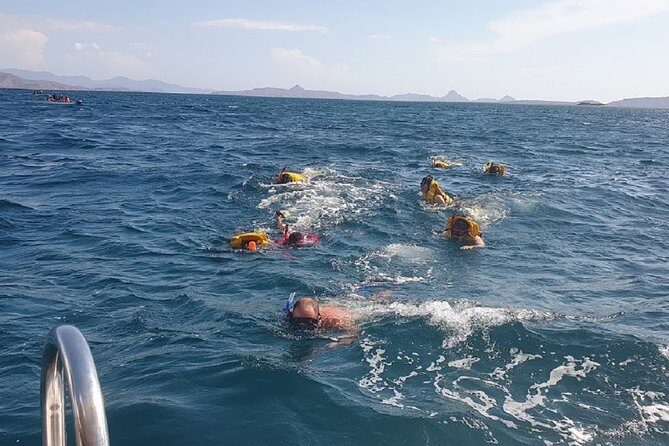


More Scuba Diving Tours in Nusa Penida
More Tour Reviews in Nusa Penida
- ️Nusa Penida by Private Boat – Snorkeling 4 spots, Swim with Mantas + Land Tour
★ 5.0 · 6,424 reviews