REVIEW · TULAMBEN
Open Water Course in Tulamben – Get Certified in Bali
Book on Viator →Operated by Dive Concepts Bali · Bookable on Viator
Shipwreck lessons start quickly in Tulamben. This private SSI Open Water course is built for real beginners, mixing classroom basics with hands-on training in the water. You’ll also get a clear goal: SSI certification that lets you reach 18 meters without an instructor hovering right beside you.
Two things I really like about the setup are the included gear (from wetsuits to masks) and the on-site comfort at Dive Concepts Bali—Wi‑Fi, lockers, showers, and a simple warung-style eatery. One thing to keep in mind: you need good weather for the schedule, and you’ll want moderate fitness to handle the training day.
In This Review
- Key points to know before you go
- Why Tulamben is a smart place for SSI Open Water
- The two-day flow: what actually happens during your Open Water course
- 1) Knowledge: the basics you need before you go underwater
- 2) Shallow-water training: beach or pool sessions with drills
- 3) Ocean practice sessions: at least four times in the open water
- The certification limit you’re working toward
- USS Liberty shipwreck: your first big underwater landmark
- Tulamben Beach: where comfort and control come together
- Your instructor and the “well-run” course factor
- Gear and what being “all included” really means
- Dive Concepts Bali: the kind of comfort that helps you learn
- Price and value: is $376.92 a fair deal?
- Who this is best for (and who should think twice)
- Practical expectations: timing, weather, and what to plan around
- Souvenirs and keeping memories without stress
- Should you book this SSI Open Water course in Tulamben?
- FAQ
- How many ocean training sessions are included in the SSI Open Water course?
- What sites will I train at during the course?
- What scuba equipment is included?
- Is the course private?
- Is accommodation included?
- Where is the pickup and drop-off provided?
- Is it guaranteed to run regardless of weather?
Key points to know before you go
- SSI Open Water certification, earned through theory, shallow-water drills, and at least four ocean training sessions
- USS Liberty shipwreck and Tulamben Beach as your main underwater practice areas
- All the core scuba equipment is provided, so you can travel lighter
- A comfortable dive center with Wi‑Fi, toilet, shower, and locker access
- Private experience format: only your group participates
- Souvenir digital photos/videos are available for purchase after the course
Why Tulamben is a smart place for SSI Open Water
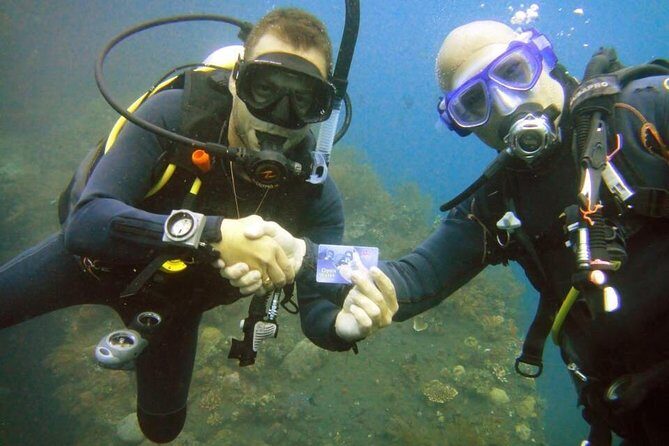
Tulamben is known for two things that matter for training: shipwreck scenery and coral areas you can enjoy as your skills improve. For an SSI Open Water course, that’s a nice combo because you’re not just learning skills in a bland training zone—you’re applying them in places with character.
The biggest practical win is the SSI structure. The course has clear steps: build your knowledge first, then do shallow-water exercises, and only then move into deeper ocean practice with your instructor overseeing everything. It’s not random. It’s a progression that helps you build confidence instead of rushing.
I also like that the package is designed to reduce friction. You’re not expected to hunt down equipment or guess where to change and rinse off. The dive center has the basics you want after water time: locker space, showers, toilets, and even Wi‑Fi. That’s small stuff until you’re wet, tired, and trying to figure out your next step.
You can also read our reviews of more tours and experiences in Tulamben.
The two-day flow: what actually happens during your Open Water course
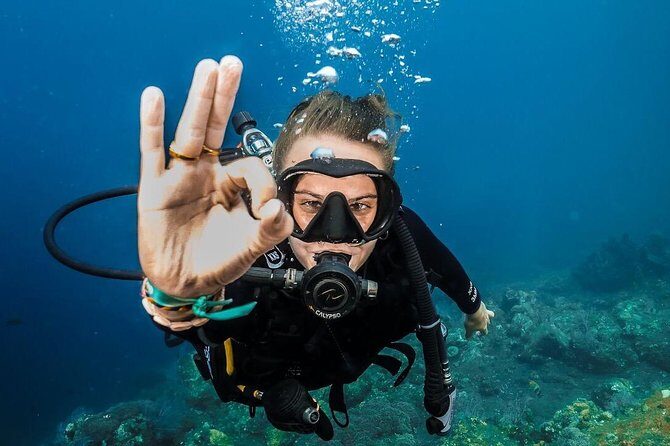
This SSI Open Water course is organized in three main steps over about two days. You’ll get a mix of learning and practical work, plus a final exam at the end.
1) Knowledge: the basics you need before you go underwater
You start with lessons that focus on understanding scuba basics. The goal here is not memorization for its own sake. It’s to help you make good choices when conditions change—because once you’re in the water, your brain is busy managing breathing, buoyancy, and equipment.
Think of this as your mental toolbox. You learn how scuba works, what can go wrong, and what to do when you need to regain control.
2) Shallow-water training: beach or pool sessions with drills
Next comes basic exercise training in shallow water. You do at least 5 sessions, either in a beach setup or a swimming pool setting (depending on what the program uses).
This is the part where confidence is built. In shallow water you can repeat skills without the pressure of deep depth. You’ll practice movements and responses that later feel automatic. In a lot of beginner courses, shallow training is where people either lock in good habits—or struggle because they don’t have enough repetitions. Here, you’re guaranteed multiple sessions.
3) Ocean practice sessions: at least four times in the open water
Finally, you move into deeper ocean practice so you can practice technique and explore underwater scenery. The requirement is at least 4 ocean training sessions, plus a final exam.
The point of these sessions is to prove you can handle the course skills in real conditions. The training includes supervision from certified instructors the whole time, so you’re not left on your own while learning what “real underwater” feels like.
The certification limit you’re working toward
When you complete SSI Open Water, you’re certified to reach depths of 60 feet / 18 meters without an instructor immediately close at hand. That’s a big deal because it sets the boundaries for what you can do next—planning future trips becomes simpler when your certification is recognized and your limits are clear.
USS Liberty shipwreck: your first big underwater landmark
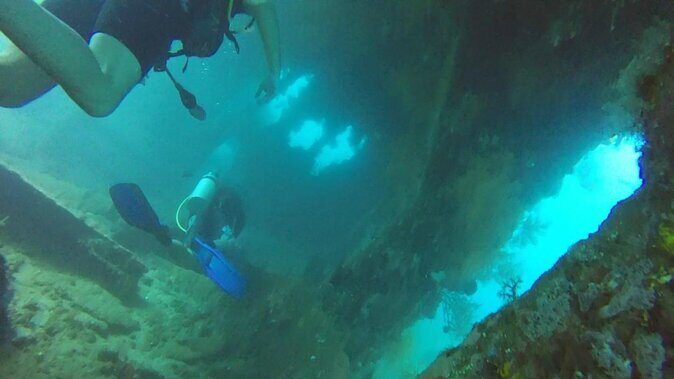
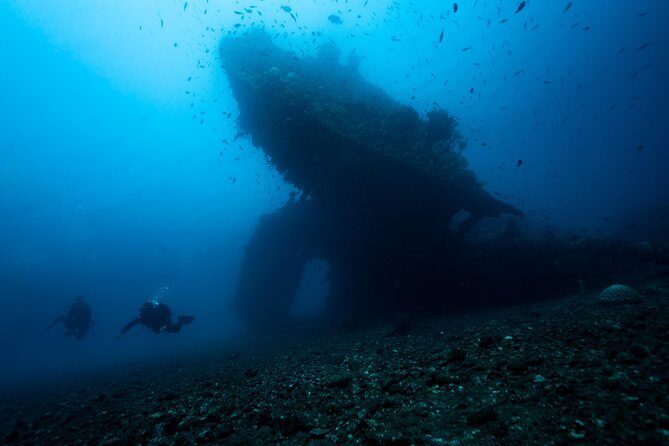
One of your main stops is the USS Liberty Shipwreck. In training terms, a shipwreck is more than scenery. It forces you to pay attention and stay organized, because it has structure, textures, and sightlines that make good technique matter.
As you build from shallow drills into deeper sessions, having a site like this can make your skills “stick.” You’re not just counting breaths. You’re learning how to move and breathe calmly while keeping awareness of your surroundings.
What to consider: shipwreck areas can be visually exciting, but that excitement can also make beginners forget fundamentals. I’d treat this as the instructor’s job to guide you through the right pace, and your job to stay focused on buoyancy and controlled movements first. The coolest moments come when you’re calm enough to notice the details.
Tulamben Beach: where comfort and control come together
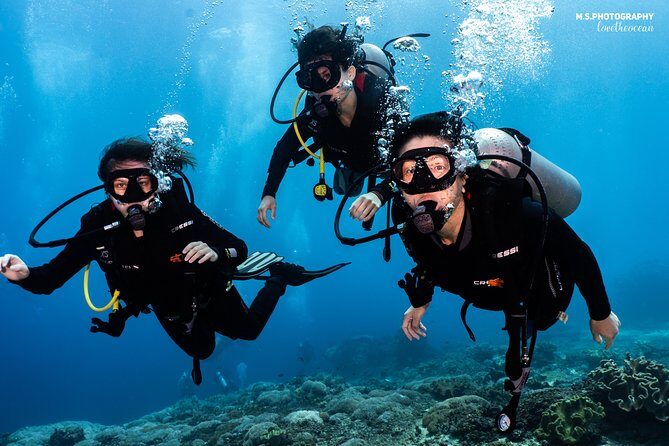
Your other key stop is Tulamben Beach. Compared to a shipwreck, a beach-based training area often gives you a different kind of mental experience: less “linear structure,” more open practice space. That can help you focus on fundamentals—breathing rhythm, buoyancy control, and steady navigation—without getting distracted by one dramatic object.
Tulamben Beach is a practical training setting, especially as you improve over multiple sessions. You’ll get a chance to apply what you learned in shallow water, then check whether it holds up in open ocean conditions.
If you’re a first-timer, I’d look at the beach stop as your confidence builder. It’s where you confirm that the skills you practiced earlier weren’t just good on a shallow drill platform—they work when you’re actually out in the water with real conditions.
Your instructor and the “well-run” course factor
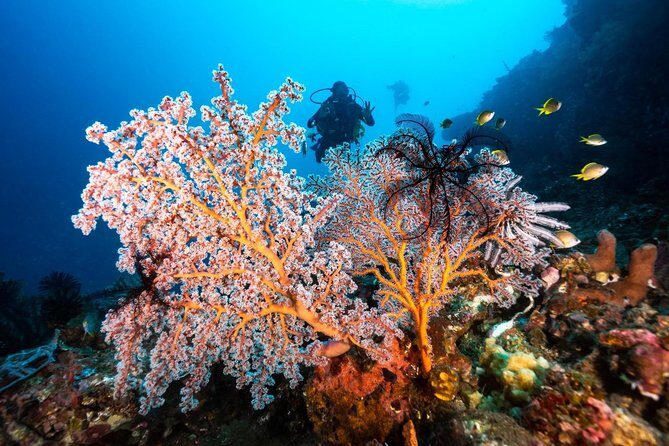
You’re training with a certified instructor, and this matters more than it sounds. Open Water success often comes down to how clearly your instructor explains what you need to do and how quickly they correct small mistakes.
One instructor name that shows up in the experience is Budi, and the course is described as well organized with multiple ocean sessions and guided practice at strong sites like the shipwreck and coral areas. Even if your instructor is someone else, the takeaway for you is the same: you should expect direct supervision and structured teaching—not a hand-wavy experience.
Before you commit, I’d ask the dive center how they handle comfort issues for brand-new students. You only need one or two moments of clarity to make the whole course feel smooth.
Gear and what being “all included” really means
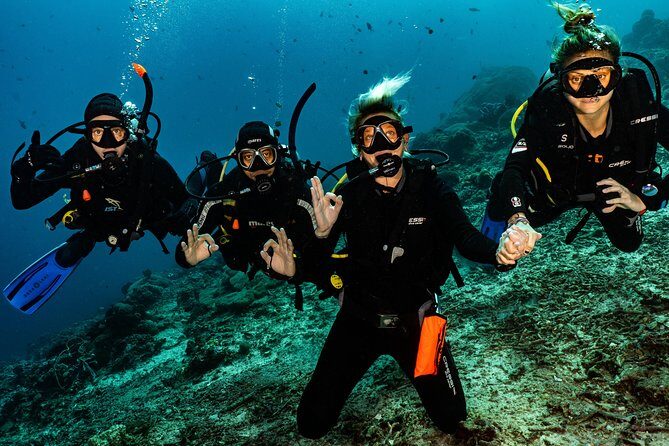
This course includes all necessary scuba equipment—including wetsuit and mask. That’s a big value driver for travelers. If you’ve ever tried to rent the right scuba gear at the last minute, you know how stressful it can be. Here, you’re covered.
It also changes what you can pack. You can plan to travel with lighter luggage because core gear comes with the course package. You still might bring your own swimwear and something simple for after the water, but the key point is you don’t have to plan a separate equipment hunt.
One more practical detail: using the same gear setup across both classroom and water training helps you learn faster. When your mask fit and buoyancy feel are consistent, you spend less time troubleshooting and more time practicing.
Dive Concepts Bali: the kind of comfort that helps you learn
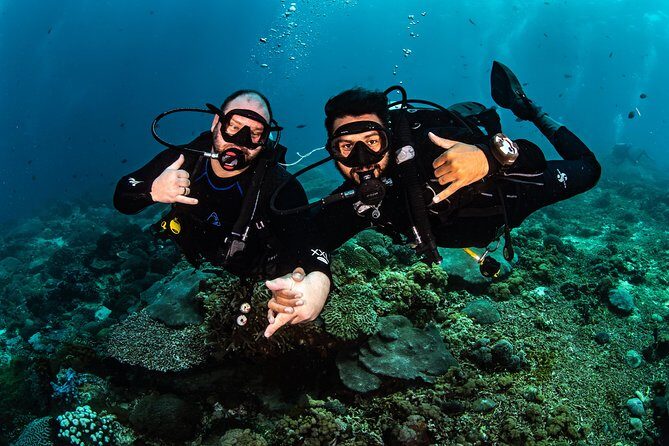
The dive center is described as comfortable and equipped with the essentials you need between training moments: Wi‑Fi, toilet, shower, and lockers, plus a changing room.
Why that matters: Open Water courses have a rhythm—lesson time, water time, rinse off, eat, repeat. When the facility has the right basics, you don’t lose time and energy. You can focus on learning.
There’s also an eatery/warning-style restaurant on site. In one described course experience, it’s a French-style warung inside the center with good service and reasonable prices. Food and drink are not included in the course price, but the convenience is real: you’re not left searching for something nearby when you’re done.
Price and value: is $376.92 a fair deal?
At $376.92 per person for an approximately two-day SSI Open Water course, you’re paying for the combination of instruction, equipment, instructor time, and access to training sites. In scuba training, the cost usually isn’t just “time in the water.” It’s the instructor ratio, gear use, facility support, and the certification process (including the required exam).
What makes this package feel like value for your money:
- Private format for your group
- Equipment included, so you avoid extra rental fees and planning
- A full learning structure (knowledge, shallow sessions, multiple ocean sessions, final exam)
- On-site facilities that keep the course moving smoothly
What could make it less of a deal for you: if you’re already staying at an Amed/Tulamben area and you’re fine handling your own transport and gear, you might compare options. But this package specifically includes pickup and drop-off for Amed/Tulamben surroundings, and that convenience is hard to replicate.
A smart move: if you’re comparing prices, make sure the competitor includes both training structure and gear—not just a “checklist” experience.
Who this is best for (and who should think twice)
This course requires a minimum age of 10. It’s also listed as suitable for travelers with moderate physical fitness.
Who it fits well:
- First-time scuba students who want an SSI Open Water certification with structure
- People who learn best with step-by-step practice: theory, shallow repetition, then open ocean sessions
- Anyone who wants a supported learning environment where instructors are supervising every stage
Who should think twice:
- If you’re not able to manage moderate physical demands on training days, you may struggle with the pacing of the course.
- If you hate the idea of weather affecting your schedule, keep in mind the activity requires good weather for it to run as planned.
Also note: this is a private experience, so you won’t be mixed into a larger group dynamic. That can be a big comfort factor for beginners who want steadier attention.
Practical expectations: timing, weather, and what to plan around
The course is scheduled within the dive center’s opening hours: 7:00 AM to 8:00 PM. Confirmation is provided within 48 hours of booking, subject to availability.
You should treat weather as a real variable. The activity requires good weather, and if it’s canceled due to poor weather, you’ll be offered a different date or a full refund.
For planning your Bali trip, I’d give yourself flexibility around these two days. If your schedule is locked with other tours back-to-back, you’ll feel the pressure if conditions shift.
Souvenirs and keeping memories without stress
After the course, you can purchase digital souvenir photos/videos. That means you’re not forced into buying anything before you even get in the water.
I like this setup because it keeps you focused on learning first. If you want to remember your training moments, the option is there after you complete the course.
Should you book this SSI Open Water course in Tulamben?
Book it if you want a structured first scuba certification with clear progression, included gear, and a comfortable training base. The combination of USS Liberty shipwreck practice plus Tulamben Beach training areas gives you variety without sacrificing supervision.
Skip it (or compare carefully) if you’re highly schedule-dependent or not comfortable with the reality that weather can change plans. Also think about your physical comfort level; “moderate physical fitness” is part of the requirement, and you’ll notice it during training days.
If your goal is to earn SSI Open Water in Bali with a setup that reduces logistics headaches, this course is easy to recommend—especially at this value point and with a private format that keeps your attention where it belongs: on learning scuba skills step by step.
FAQ
How many ocean training sessions are included in the SSI Open Water course?
The course includes at least four ocean training sessions, plus a final exam.
What sites will I train at during the course?
Your main stops are the USS Liberty Shipwreck and Tulamben Beach.
What scuba equipment is included?
The course includes use of scuba equipment, including items like a wetsuit and mask.
Is the course private?
Yes. It’s listed as a private tour/activity, so only your group participates.
Is accommodation included?
No. Accommodation is not included. However, dormitory and bungalows are available at the dive center.
Where is the pickup and drop-off provided?
Pickup and drop-off are included for Amed/Tulamben surroundings.
Is it guaranteed to run regardless of weather?
No. The activity requires good weather. If canceled due to poor weather, you’ll be offered a different date or a full refund.