REVIEW · UBUD
Sidemen Trekking Through Rice Terraces and Villages
Book on Viator →Operated by Sidemen Guide Trekking and Scooter Tour · Bookable on Viator
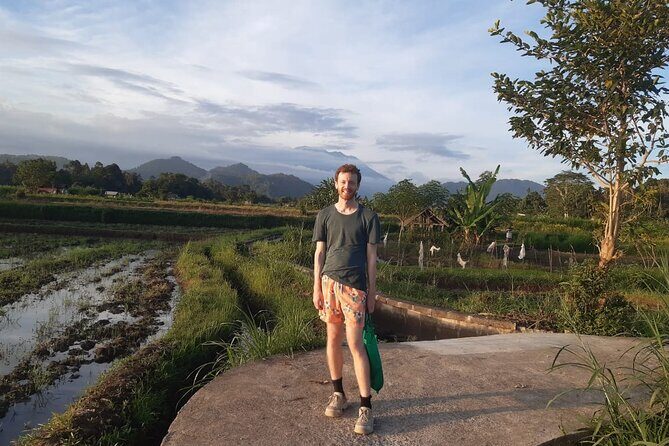
Sidemen has a way of slowing you down. This short morning trek takes you from the village center into working rice terraces, with irrigation channels, temple stops, and big views toward Mount Agung. You’ll cross a wooden bridge used by locals and motorbikes, so it feels very real, not staged.
I especially love how rice-farming life shows up in everyday scenes—plowing, planting, and harvesting—and how the walk is tied to the Subak irrigation system, not just pretty photo spots. And I like having a local guide named Wayan, who explains what you’re seeing as you go, including plants beyond rice.
One thing to keep in mind: rice terraces change fast with the seasons. If fields are already harvested, the walk still teaches a lot—but the view can look less lush than you hoped.
In This Review
- Key Highlights You’ll Notice Fast
- Sidemen Rice Terraces Feel More Like Real Life Than a Photo Stop
- The 7:00am Start: Why Early Matters for Views and Footing
- From Sidemen Market to Rice Paddies: What Your Walk Route Actually Does
- Subak of Ogang and the Water That Makes the Terraces Possible
- Temples and Daily Farm Life: Small Stops That Make the Trek Click
- The Wooden Bridge Moment: Shared by Locals and Motorbikes
- Mount Agung Viewpoints: When the Mountain Looks Close
- Price and Value: $9.80 Makes This Hard to Ignore
- Who This Trek Is Best For (and Who Might Want Another Option)
- How to Prepare So You Enjoy the Trek, Rain and Shine
- Should You Book the Sidemen Trek Through Rice Terraces and Villages?
- FAQ
- Where does the trek start?
- What time does the activity start?
- How long is the trekking experience?
- Is hotel pickup included?
- What’s included in the price?
- Is it a private tour?
- Is there free cancellation?
- Is the tour suitable for most people?
Key Highlights You’ll Notice Fast
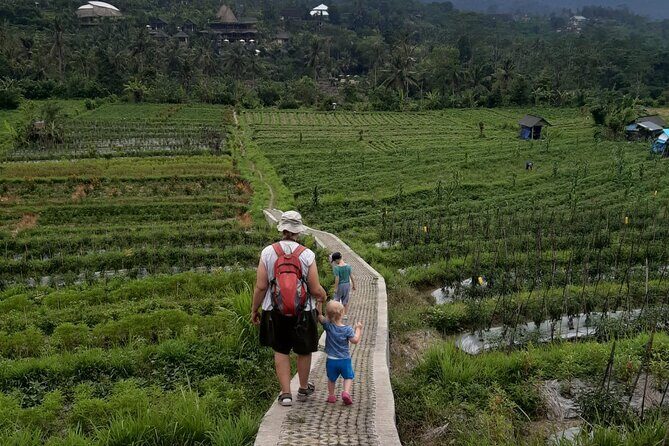
- Subak of Ogang irrigation: Follow the water system that keeps the terraces alive.
- Village-market start: Begin in the real center of Sidemen, not a remote trailhead.
- Wooden bridge with daily traffic: Shared by locals and motorbikes—watch your step and timing.
- Mount Agung viewpoint energy: Early daylight makes the mountain feel close.
- Wayan’s plant-and-rice explanations: You’ll learn what you’re walking past, not just where to stand.
- Short, flexible duration: About an hour on the schedule, with time to stop and look.
Sidemen Rice Terraces Feel More Like Real Life Than a Photo Stop
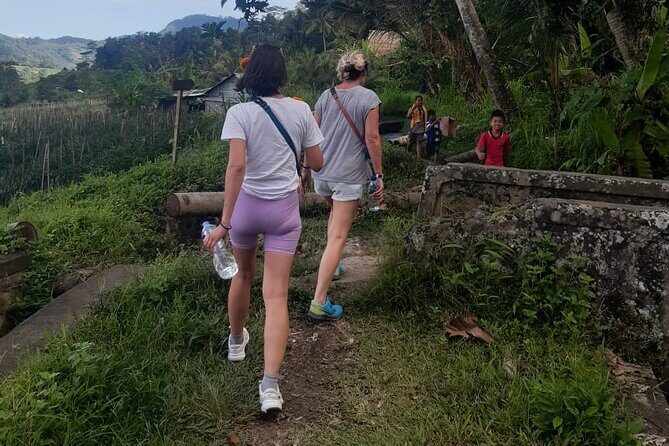
Ubud is great, but it can start to feel like you’re moving from one attraction to the next. This trek gives you a different pace. You start near the traditional market and village center, and the first minutes already feel like you’re walking with the place, not into it.
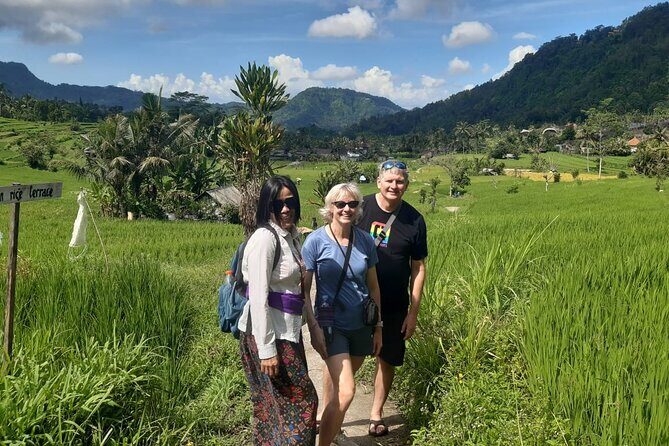
The trek heads through lush rice paddies toward Mount Agung. And here’s the key detail: you’re not just strolling through scenery. You’re following irrigation channels, crossing a wooden bridge, and seeing how the Subak system turns water into food. That turns the walk into a living lesson.
I like that the experience doesn’t try to turn village life into a performance. Temples line the route, and you’ll pass farmers working in the fields—whether that’s preparing the ground, planting, or moving through harvesting. It’s a good reminder that Bali’s rice terraces aren’t a backdrop. They’re a job.
You can also read our reviews of more hiking tours in Ubud
The 7:00am Start: Why Early Matters for Views and Footing
This tour starts at 7:00 am. Early mornings change everything. Light hits the terraces flatter and brighter, Mount Agung can look more dramatic, and the path feels calmer.
Also, mornings can come with surprise weather. One person shared that rain had been happening before the walk, and the guide helped check that they had coats. If the ground is wet, you’ll want footwear that can handle mud. Expect slippery patches and take your time—especially on the wooden bridge.
If you hate crowds, you’ll like the timing. You also get the bonus of watching daily routines begin. Village life is less hurried before the heat and the daytime bustle really kick in.
From Sidemen Market to Rice Paddies: What Your Walk Route Actually Does
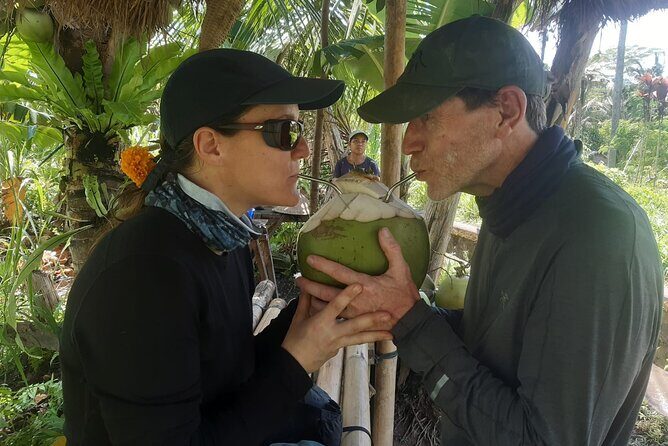
The trek begins at the Sidemen Rice Terrace area on Jl. Sidemen – Sangkan Gn. (Sidemen, Kabupaten Karangasem). The activity ends back at the same meeting point, so you’re not dealing with complicated logistics.
Right away, you move from built-up village spaces into paddies. That shift is part of the charm. You go from people, stalls, and movement to narrow channels, irrigation water, and small footpaths.
Along the way, your guide leads you past:
- working fields and farm tasks
- temple areas
- irrigation channels and small crossings
- viewpoints that frame the terraces and the mountain
The walk is short enough that you don’t have to “train” for it, but it’s active enough to feel like you’ve actually left the car behind. It’s the kind of morning where you feel satisfied even if you’re not trying to conquer a long hike.
Subak of Ogang and the Water That Makes the Terraces Possible
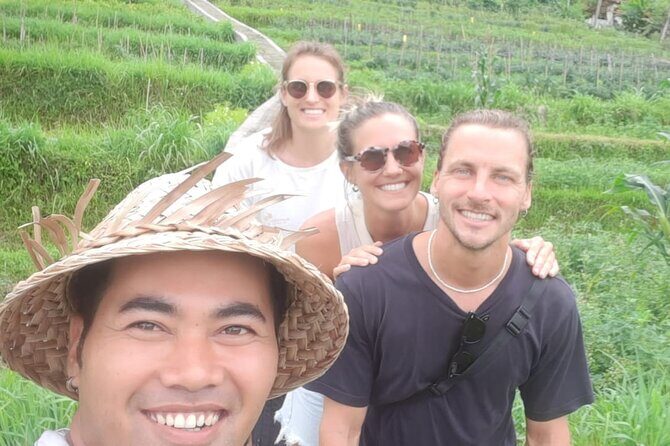
The big idea behind this trek is the Subak irrigation system, especially as you pass through the Subak of Ogang. If you’ve only seen Bali’s terraces from viewpoints, it’s easy to treat them like scenery.
Here, the guide helps you connect the dots: water management is the system. The channels you follow aren’t just there for looks. They’re part of how farmers coordinate planting and keep the terraces working.
In plain terms, you’ll walk and learn how:
- irrigation water is distributed
- rice depends on timing and consistent flow
- terraces function as a chain, not isolated “steps” of greenery
This is one of the reasons the guide experience matters. Wayan in particular is known for explaining what you’re looking at and linking it to how the village eats and works.
Temples and Daily Farm Life: Small Stops That Make the Trek Click
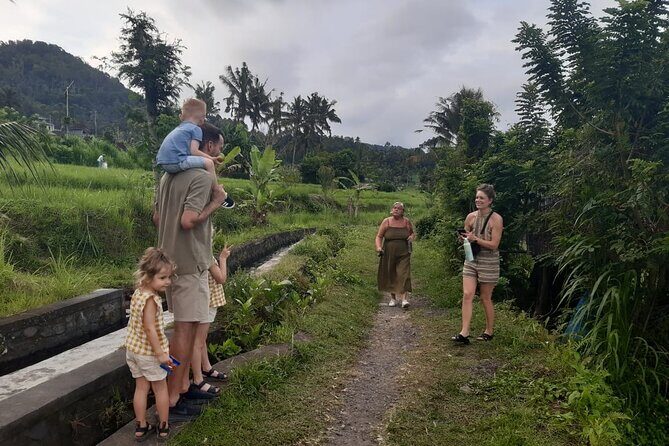
You’ll pass temples during the walk. Even if you don’t know much Balinese Hindu practice, you can feel the difference when a community space is part of the route instead of a ticketed attraction.
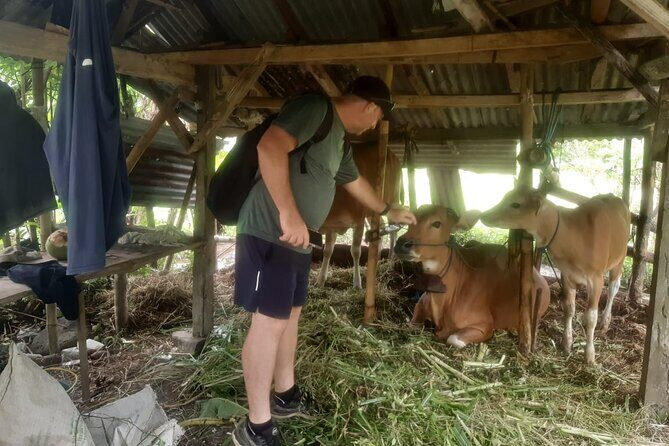
But the real hook is daily farm life. One of the best parts is that you don’t just see rice plants—you see the work around them. You’ll learn about farmers plowing, planting, and harvesting, depending on what stage the fields are in.
One review highlighted how questions got answered in a friendly, practical way, including for a toddler. That matters. It suggests the pace is manageable and the guide is used to adapting the walk to real groups, not just energetic adults.
And if it’s raining (or just recently rained), the walk can get muddy. A good guide helps you navigate tricky sections, and you’ll appreciate that more than you’d think until you’re standing in wet earth and balancing on a narrow path.

The Wooden Bridge Moment: Shared by Locals and Motorbikes
You’ll cross a wooden bridge that’s shared by locals and motorbikes. That detail is more than trivia—it changes the feel.
It’s not a quiet scenic bridge for photos. It’s functional infrastructure. So you’ll want to:
- keep your footing slow and careful
- pause and let movement pass if needed
- stay aware of where bikes might roll in
It’s one of those “this is real” moments that helps the whole trek stop feeling like a curated walk-through. You’re part of the rhythm of the village for a minute.
Mount Agung Viewpoints: When the Mountain Looks Close
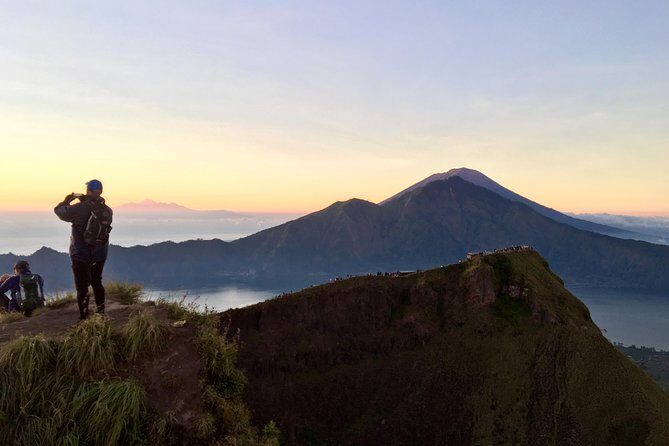
The route includes scenic viewpoints with a connection to Mount Agung. Even if you’ve seen Mount Agung before, this walk gives a different perspective because you’re not viewing it from a far-off overlook.
Here, the terraces lead your eyes toward the mountain, and the early timing helps. The views don’t require binoculars or big climbing effort—just a bit of stopping and looking.
One consideration: if weather is heavy or the timing doesn’t line up with clear skies, you might get mist or partial visibility. That’s normal in Bali. The good news is the trek still works as a cultural and farming education walk, not only a mountain-view mission.
Price and Value: $9.80 Makes This Hard to Ignore
At $9.80 per person, this is priced like a budget-friendly local experience. The value mostly comes from what’s included.
You get:
- a trekking guide
- bottled water
- optional hotel pickup and drop-off
And the experience is private—meaning only your group participates. That can matter for comfort, questions, and pacing.
The “watch it” part is that tipping isn’t included. You’ll want a plan for tips if you feel the guide earned it. If you’re used to tipping in Bali, this won’t surprise you—but it’s still a cost you should factor in.
Also, remember the rice-season variable. When terraces are in a more harvested stage, the visuals can be less dramatic. That doesn’t erase the value if you want to understand Subak, daily work, and how the village functions—but it can affect photo satisfaction.
Who This Trek Is Best For (and Who Might Want Another Option)
This trek fits best if you want:
- a short Bali walking experience without a long day
- real village life and explanations from a local
- rice terrace learning focused on irrigation and farming
- a morning plan that doesn’t balloon into a half-day tour
It’s also a good match if you’re traveling with kids, since at least one family mentioned the guide was comfortable and supportive for a toddler. That points to a flexible approach rather than a “march nonstop” style.
You might reconsider if:
- you only want picture-perfect, green terrace views (season matters)
- you hate slippery surfaces and don’t have suitable shoes
- you want a long, strenuous hike
How to Prepare So You Enjoy the Trek, Rain and Shine
Since rain can happen early, I’d plan like the ground might be wet. Bring shoes that can handle mud and keep grip. Lightweight rain gear can help even if you think you’re just doing an hour.
A hat and sunscreen are also smart because once you start walking, Bali sun doesn’t wait. And keep a water habit—bottled water is included, but you’ll still feel better with consistent sips.
If you care about learning, come with questions. Wayan-style guides tend to enjoy explaining everything from the rice farming process to the fruit and plants you pass.
Should You Book the Sidemen Trek Through Rice Terraces and Villages?
If your goal is a morning walk where you learn how Bali’s rice terraces actually work, I think this is a strong book. The Subak of Ogang focus gives it meaning beyond sightseeing, and having a guide like Wayan turns the route into something you remember.
I’d book it especially if you:
- want a local-feeling experience starting from the village center
- like short tours that fit into busy days
- want Mount Agung views plus rice-farming education
- prefer private pacing over big group tours
I’d hesitate only if you’re planning your trip assuming every terrace will look peak-green year-round. If that’s your top priority, you may want to ask when the fields are in the most scenic stage for walking and photos.
Either way, it’s the kind of Sidemen morning that leaves you with more than photos. You come away understanding why the terraces exist—and why the water system matters just as much as the views.
FAQ
Where does the trek start?
It starts at Sidemen Rice Terrace (GCJP+77P), Jl. Sidemen – Sangkan Gn., Sangkan Gn., Kec. Sidemen, Kabupaten Karangasem, Bali 80864, Indonesia.
What time does the activity start?
The start time is 7:00 am.
How long is the trekking experience?
It’s listed at about 1 hour (approx.).
Is hotel pickup included?
Hotel pickup and drop-off are optional.
What’s included in the price?
The tour includes a trekking guide and bottled water. Hotel pickup/drop-off may be added if you choose it.
Is it a private tour?
Yes. It’s a private tour/activity, and only your group participates.
Is there free cancellation?
Yes. You can cancel for a full refund up to 24 hours before the experience starts (free cancellation).
Is the tour suitable for most people?
Most travelers can participate.