REVIEW · UBUD
Afternoon Cooking Class & Making Bali Offering with Dinner
Book on Viator →Operated by Wayan Aris · Bookable on Viator
Nine dishes. One afternoon.
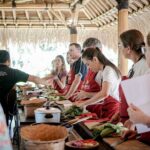
This Balinese cooking class in Ubud is built around doing, not watching. You’ll make canang Bali offering and learn the core spice paste that powers many local dishes, then cook up to nine recipes with your own hands and sit down to eat what you made.
Two things I really like: the class keeps a close, family-style rhythm (small group, hands-on steps), and you finish with a big meal you can actually compare to how the ingredients taste in real life. One thing to keep in mind: the afternoon format may not include the market visit, so if ingredient shopping is a must, confirm it before you go.
In This Review
- Key highlights you’ll care about
- Why this afternoon class works so well in Ubud
- The value question: is $46 a fair deal?
- Step-by-step itinerary: what happens from pickup to dinner
- 1) Pickup near central Ubud, then you settle in
- 2) Welcome drink: cold ginger tea
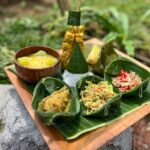
- 3) Making a Canang Bali offering
- 4) Spice paste basics: the sauce base many dishes share
- 5) Cooking up to 9 Balinese recipes
- 6) Eating your own huge meal at the family home
- 7) PDF recipe handover (your take-home win)
- What makes the cooking feel authentic (and not just touristy)
- Small logistics that can save your evening
- Who should book this class?
- Quick FAQ
- FAQ
- How many dishes will I make?
- Is pickup included?
- Does the afternoon class include a market visit?
- What’s included in the price?
- Do I need to bring cash?
- How large is the group?
- Should you book it?
Key highlights you’ll care about
- Canang Bali offering time: you’ll make the daily-style offering as part of the cooking experience
- Spice paste is the real lesson: you practice the base sauce many dishes rely on
- Up to 9 recipes cooked by you: not just a sampler plate, you’ll actively produce the meal
- Cold ginger tea welcome: a small detail, but it sets a calm start
- Max 12 people: easier questions and more attention during the cooking steps
- Food + PDF recipes: you get to eat and take a guide home
Why this afternoon class works so well in Ubud
Ubud is full of half-day tours, and many of them feel like you’re hopping between “photo stops.” This one is different. The center of gravity is the kitchen, and the schedule is designed around a steady flow: welcome drink, cultural offering, spice base practice, then a sequence of dishes you make yourself.
The timing also matters. A 2:00 pm start is handy if you want a slower morning, especially if you already did a temple visit, a waterfall, or a rice-terrace walk earlier. You’re not trying to cram everything in. You’re setting yourself up for a practical goal: learn what Balinese cooking tastes like, then leave with skills you can repeat later.
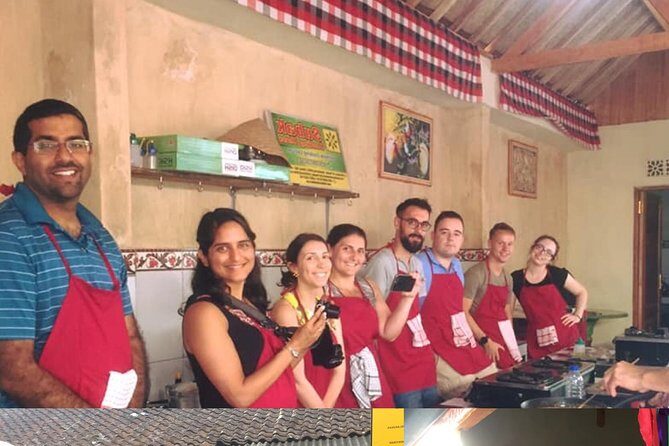
The group size (up to 12) also makes a difference. In a class like this, you don’t want to be waiting for someone to show up at the chopping board. You’ll be moving from prep to cooking with enough breathing room to actually learn. A family-run setup helps too, because you’re not treated like a “seat filler.”
You can also read our reviews of more cooking classes in Ubud
The value question: is $46 a fair deal?
At $46 for about five hours, this is priced like a “serious experience,” not a quick demo. And the value comes from what’s included:
- A local host cooking class
- Dinner (what you cook)
- Round-trip transfers from Ubud hotel area (free within the Ubud center zone)
- Mineral water and bottled water
- Cold ginger tea as a welcome drink
- A PDF set of the 9 Bali recipes
In plain terms, you’re paying for both the cooking instruction and the meal. That’s the part people underestimate when they compare this to cheaper group cooking options. You’re not just learning technique—you’re also eating the results in a relaxed family-house setting.
The main “value catch” is logistics. Pickup is free for the Ubud center area only. If you’re outside that zone, you may need an additional charge. Still, it’s often cheaper than paying for a private driver all by yourself.
Step-by-step itinerary: what happens from pickup to dinner
This afternoon session runs about five hours and is designed for hotels in the Ubud center area. If you’re not in that zone, you’ll want to plan for possible pickup charges or a meeting point arrangement.
1) Pickup near central Ubud, then you settle in
The day starts with pickup from your Ubud-area hotel (Ubud center area is covered). The activity ends back at the meeting point, so you’re not stuck figuring out your return.
If you like clarity, note the meeting point is near Ubud Palace (address area listed for the start: F7V7+72R, Jl. Raya Ubud No.8). Even if pickup happens, I like knowing where “Plan B” is.
2) Welcome drink: cold ginger tea
Before you cook, you get a welcome drink: cold ginger tea. It sounds small, but it’s a smart touch. It tells you the host is setting a comfortable pace before anything gets sweaty and spicy.
You can also read our reviews of more tours and experiences in Ubud


3) Making a Canang Bali offering
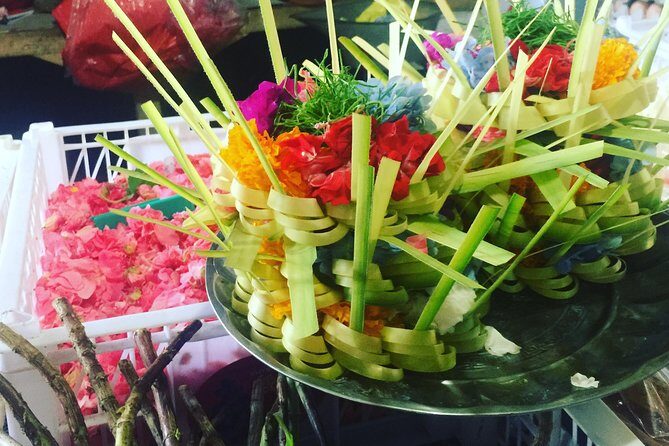
Next comes one of the cultural anchors: you’ll make a Canang Bali offering. These are daily offerings tied to Balinese spiritual practice, and doing it yourself is more meaningful than hearing about it.
Practical note: you’re not being tested on perfection. The point is participation and understanding the rhythm. You’ll usually see how the materials are arranged and learn what makes the offering “complete.”
4) Spice paste basics: the sauce base many dishes share
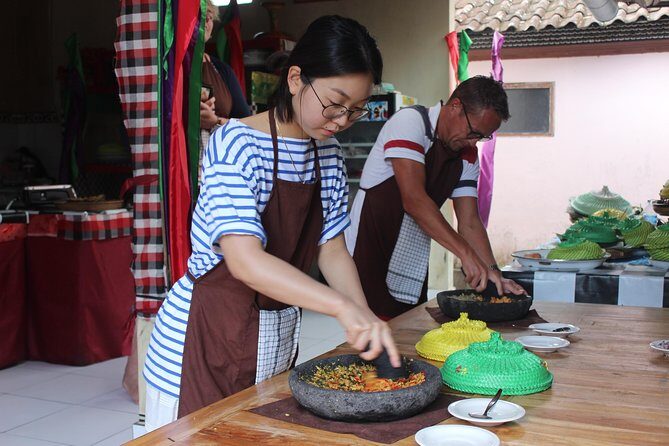
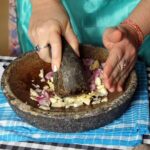
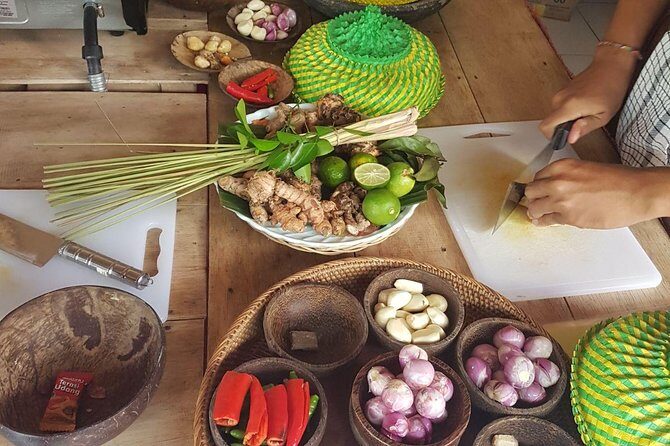
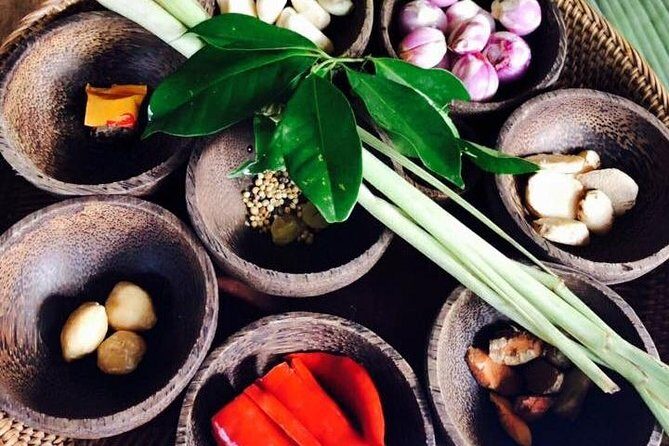
Then you’ll move into the core cooking skill: making Balinese spice paste. This is the base (or sauce base) used for many local dishes, so it’s not a random step—it’s the foundation.
This part is where cooking classes earn their keep. If you just watch someone grind spices, you remember the smell. If you make the paste yourself, you start understanding texture and flavor balance—what “thick,” “aromatic,” and “balanced” actually feels like.
You’ll likely do a lot of practical prep here, which helps explain why nine dishes can happen in one afternoon. If you’re short on time in Bali, this is one of the best ways to get a high learning-to-effort ratio.
5) Cooking up to 9 Balinese recipes
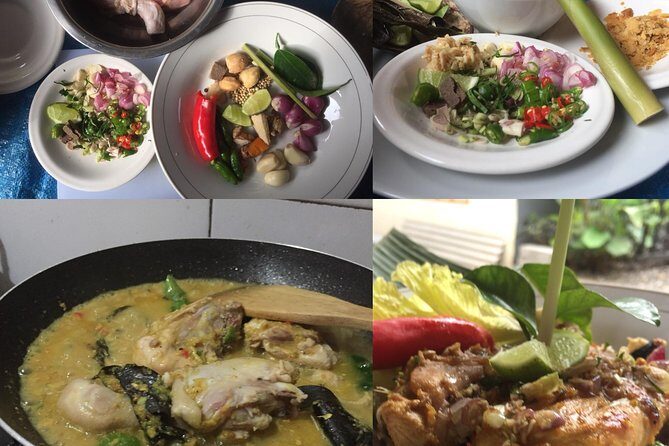
After your spice paste is ready, you’ll start cooking nine recipes (up to nine total dishes, depending on the class flow). The sequence is designed so you cook, taste as you go, and then finish with the full meal.
A key detail: the pace often depends on what’s already prepped. Some steps like cutting and certain meat prep may be partly handled ahead of time, which makes the class feel smoother instead of rushed.
As you cook, you’ll taste your food along the way. That’s important. Flavor in Southeast Asian cuisine can be about small adjustments—salt, sourness, heat, and aroma. Tasting during the process helps you learn what changes when you change ingredients.
6) Eating your own huge meal at the family home
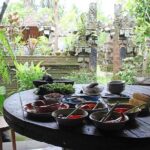
Once the cooking is done, you sit down to enjoy the meal you created. The experience is explicitly family-style: you’ll dine at a Balinese house with the people teaching you.
And yes, this is a cooking class where you actually eat what you made—no sad leftovers plate. Some people also mention they can take food back home, so if you’re leaving the class hungry later, ask if packaging leftovers is possible.
7) PDF recipe handover (your take-home win)
Before you go, you’ll share a PDF copy of the nine Bali recipes. This is one of the biggest practical add-ons because it turns your memory into a usable guide.
If you’ve cooked after travel before, you know what’s annoying: you remember the dish was amazing, but you don’t remember the exact steps or which spice paste did what. A recipe PDF prevents that problem.
What makes the cooking feel authentic (and not just touristy)
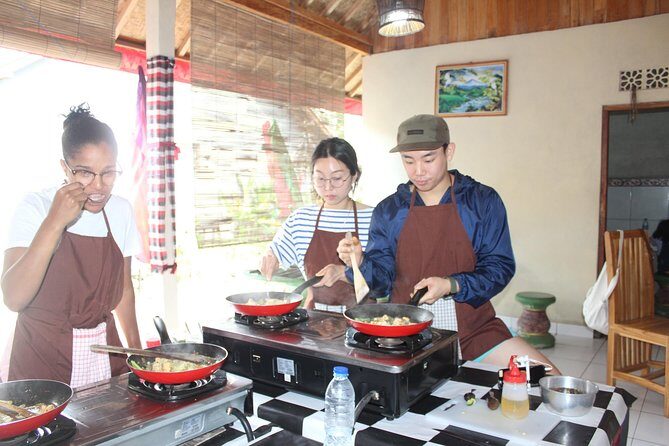
Authenticity here isn’t a vibe word—it comes from the structure.
First, you’re not just learning one signature dish. You’re learning the base system (spice paste), then applying it across multiple recipes. That’s how you get a real taste for Balinese cooking instead of collecting one “tastes-like” memory.
Second, you’re working in a family context. Reviews often describe it as friendly and smoothly run, with someone keeping the group on track while others handle cleanup. That setup matters: it keeps class energy positive and stops cooking from turning into chaos.
Third, you may get extra context around local food processes. One person notes seeing ricefields and learning about the process of rice. That kind of background turns cooking into a bigger story about where ingredients come from, not just what goes into a pan.
Small logistics that can save your evening
A few practical tips based on what this experience requires:
- Bring cash for buying items or possible extra charges. The program specifically notes you should bring cash money for purchases, or pay additional charges if you’re outside the Ubud area.
- Afternoon market visit may not happen. The afternoon session is labeled as having no market visit. The overall concept includes ingredient shopping, but the timing here matters—confirm what’s included in your specific departure time.
- Pickup is Ubud center only. If you’re staying farther out, ask early about pickup options and costs so you’re not surprised later.
- You’ll have water included. Mineral water and bottled water are part of the package, which is a relief in Bali heat.
Also, if you care about reducing back-and-forth: plan to stay flexible with your afternoon schedule. This class runs as a sequence—if you want to be right on time, treat 1:45 pm as your personal target even if pickup isn’t guaranteed to hit that exact minute.
Who should book this class?
This experience fits best if you want any of the following:
- You’re a food-focused traveler and want real cooking skill, not just a meal.
- You like cultural elements that are tied to daily life, like making a canang offering, before you cook.
- You prefer small groups (max 12) so you can ask questions without shouting over the mortar-and-spice soundtrack.
- You’re traveling as a couple or small group and want a hands-on activity that feels grounded.
If you’re only interested in watching cooking from a comfortable seat, this may be too active. If you want a big “wow” view from a scenic spot, you’ll get food culture instead. Think of it as a skill-and-taste experience, not a sightseeing tour.
Quick FAQ
FAQ
How many dishes will I make?
You can cook up to nine local dishes during the class.
Is pickup included?
Pickup is included for Ubud hotels in the Ubud center area. Pickup outside Ubud center may require additional charges.
Does the afternoon class include a market visit?
The afternoon format is listed as having no market visit. If market shopping is important to you, confirm with the operator before booking.
What’s included in the price?
The price includes a local host cooking class, dinner, mineral water and bottled water, cold ginger tea, and a PDF of the nine recipes. Round-trip transfers are included for the Ubud center area.
Do I need to bring cash?
Yes. Bring cash money for any purchases, and be ready to pay additional charges if you’re out of the Ubud area.
How large is the group?
The group size is limited to a maximum of 12 travelers.
Should you book it?
If you want a practical Bali souvenir—the ability to recreate real flavors at home—this is an easy yes. The price-to-instruction-to-meal balance is strong, and the class covers both cultural practice (canang offering) and a cooking skill that matters (spice paste base).
I’d only hesitate if market shopping is your top priority for this afternoon slot, since the afternoon version is listed as having no market visit. If that’s you, ask for confirmation and compare options with a time that includes ingredient shopping.
Otherwise, book it. It’s the kind of afternoon that leaves you leaving dinner behind in your memory, not just on a plate.