REVIEW · UBUD
Skip the Line Tirta Empul Temple Entrance Ticket All Inclusive
Book on Viator →Operated by Seminyak Tour Driver Bali · Bookable on Viator
Tirta Empul hits different.
This Ubud-based outing is built around a Balinese Hindu blessing ritual at the sacred springs—plus you get help navigating the temple with an English-speaking guide. I like that the package handles the annoying parts: you’re picked up from your Ubud address, taken there in private transfer, and given the basics for the ceremony so you don’t spend your time guessing what to wear or where to go.
Two things I really value: the private door-to-door transfers (less stress than figuring out transport) and the sarong and sash plus offerings that let you participate properly. One consideration: “skip-the-line” may not feel dramatic on the day, and the overall timing can run longer than the 1–3 hour estimate depending on where you’re starting from and how long you spend inside.
In This Review
- Key things to know before you go
- Tirta Empul in plain terms: what you’re doing there
- Skip-the-line tickets: helpful, but not magic
- Private transfers from Ubud: the real time saver
- Walking the temple route with an English-speaking escort
- The holy-water blessing ritual (and the big restriction)
- Value check: is $29.54 worth it for a Tirta Empul day?
- Quick FAQ
- FAQ
- How long does the Tirta Empul temple experience take?
- What’s included with the ticket and ceremony?
- Do I need to bring a sarong?
- Is pickup and drop-off included?
- Is the guide English-speaking?
- Can I join the holy-water blessing ritual?
- Are there any restrictions for temple entry?
- How big is the group?
- Is Wi‑Fi guaranteed during the trip?
- What happens if weather is poor?
- Should you book this Tirta Empul skip-the-line ticket from Ubud?
Key things to know before you go

- Private pickup and drop-off from your Ubud base so you’re not juggling bikes, taxis, and schedules.
- A guided route through the temple complex, starting from the first gate and moving toward the main mandala area.
- Holy-water blessing support on request, including sarong and offering use for the ritual.
- Small group size (max 14), which usually keeps the whole experience calmer.
- Mobile ticket and entry included, so you can focus on the ceremony instead of paperwork.
Tirta Empul in plain terms: what you’re doing there
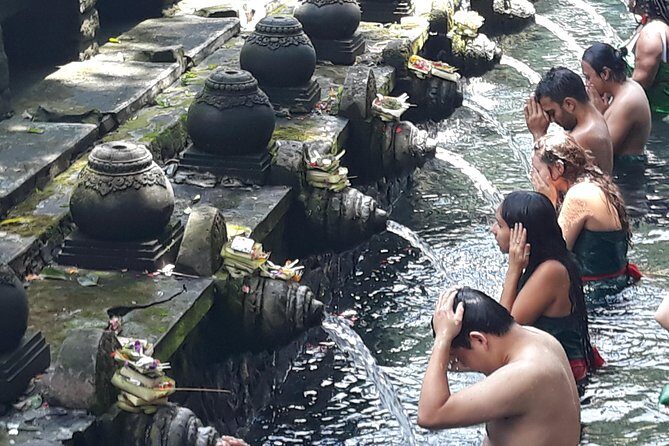
Tirta Empul Temple centers on Balinese Hindu beliefs and rituals linked to the sacred springs. The core of this experience is not just looking at a landmark—it’s being guided through what’s happening, why people come, and how the holy-water blessing fits into daily spiritual life.
You’ll get an escort with English explanations as you move through the temple area. Then, if you want to join the purification blessing, your guide can escort you to the holy water. The package includes items that matter for participation: you’ll be provided a sarong and sash loan, and you’ll have Hindu offerings included for the ritual portion. That combination is useful. It removes the guesswork that can make a sacred space feel more stressful than spiritual.
Also, this is designed to be respectful and structured. That matters at Tirta Empul because you’ll be around other worshippers, and the process can feel chaotic if you’re doing it solo. Having a guide to help you with timing and basic flow can make the whole visit feel more grounded.
You can also read our reviews of more tours and experiences in Ubud



Skip-the-line tickets: helpful, but not magic
The ticket is marketed as skip the line, and that’s still a good idea—because it reduces one uncertainty at the entrance. Even if the day’s entry isn’t jammed, having the right entry sorted keeps you from hunting for where to scan, where to queue, and what desk to find.
That said, one caution: “skip the line” doesn’t always translate into a huge time savings if there isn’t actually a visible line to skip. In practice, the value may show up more in smoother entry and fewer small delays than in a dramatic reduction of waiting time.
Here’s how I’d plan for it: arrive ready to move. If you can schedule an earlier visit, it can help the temple experience feel less crowded while you listen to explanations and complete the ritual at a comfortable pace. If your day is tight, don’t assume the whole outing will stay inside the shortest end of the estimate.
Private transfers from Ubud: the real time saver
This is where the package is strongest. You’re offered complimentary pickup and drop-off from your lobby hotel, and the tour is described as private transfers direct from your Ubud address. You also get bottled water, and onboard Wi‑Fi is listed as part of the plan.
In real terms, that means you spend less time negotiating transport and more time with your head in “temple mode.” For places like Tirta Empul, that matters because the experience involves both walking inside the grounds and careful participation at the holy water pools.
Two practical notes from the experience details you should keep in mind:
1) The trip duration is listed as 1–3 hours, but the day can stretch. Some people found the time for getting to and from Ubud added up, even though they still spent a good amount of time inside the temple.
2) Wi‑Fi is listed for the experience, but there has been confusion about whether it’s available in the vehicle. If Wi‑Fi is important to you, treat it as a bonus, not a guarantee—especially if you’re relying on it to work or navigate.
If you want the least-stress version, confirm your pickup location clearly and give yourself a little buffer so you’re not rushing when you’re finished.
Walking the temple route with an English-speaking escort
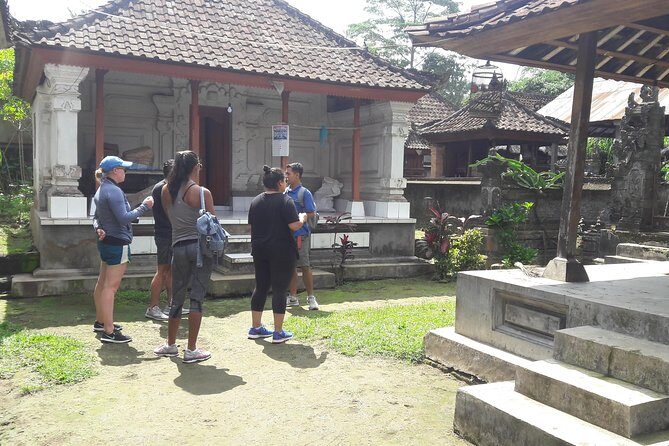
A major part of the value here is the guided movement through the temple. The experience is described as starting from the first gate and going toward the middle side, then the main temple area referred to as utama mandala.
Why this matters: Tirta Empul isn’t the kind of site where you can reliably “figure it out” in five minutes. The ceremony has meaning, and the temple layout is part of how the ritual experience is understood. A guide gives you a map of what you’re looking at and what each area is connected to.
The guide portion is also where the experience seems to be strongest for most people. Names like Wayan, Moyo, Putu, Made, and Kadek Nanda show up in the guide discussions, often praised for explaining what to expect, answering questions, and helping people feel comfortable during the process. Many also mention photo help—so if you care about getting clean pictures without struggling with angles while you’re wearing the sarong and sash, ask early. A good guide will know when people are in the right spot and when it’s better to step aside.
Timing wise, the route plus explanations plus any ritual participation can easily take more than you think. The best way to handle that is simple: go slow inside and don’t treat this like a quick photo stop.
The holy-water blessing ritual (and the big restriction)
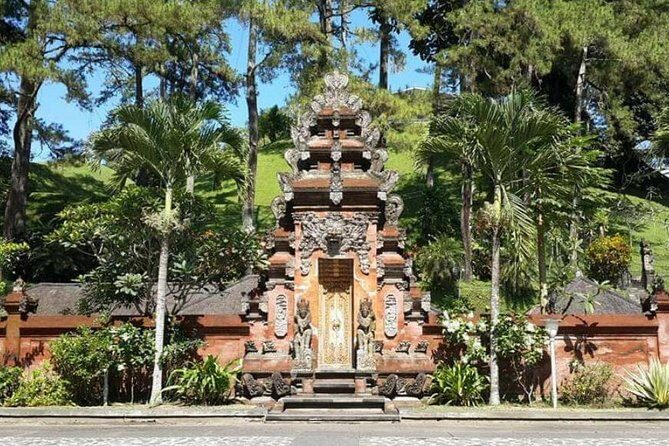
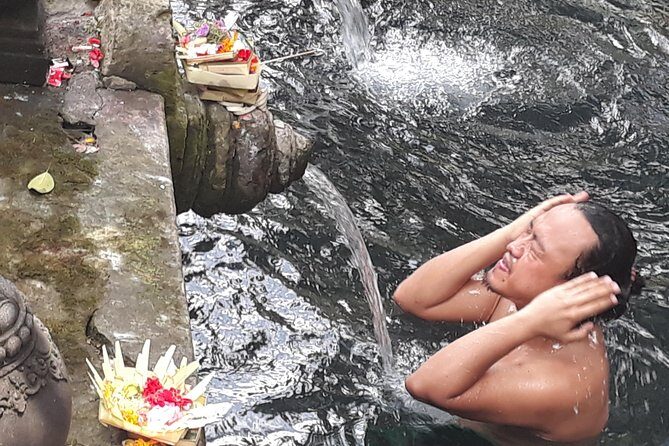
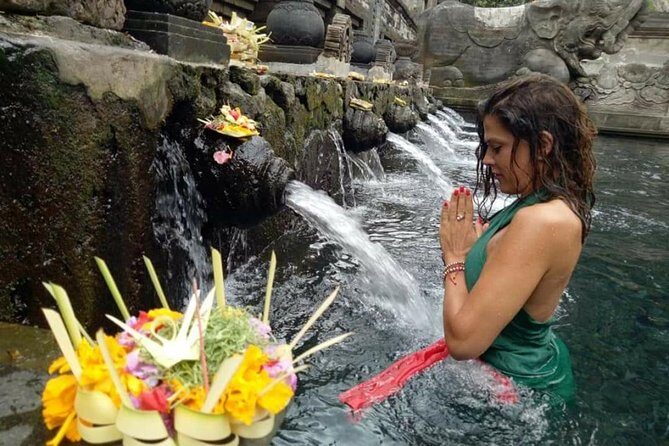
This is the moment most people come for: the blessing ritual at the holy water pools. The key phrase in the tour description is on request—you’re escorted to do the blessing ritual using the included sarong and offering setup.
That’s a useful way to experience the temple if you’re unsure how much participation you want. You can explore with your guide first, learn the basic meaning and flow, and then decide whether to step into the holy-water part.
Now the important restriction: women on period are not allowed to visit the temple. That’s a clear rule in the experience notes, and it should guide your decision. If you’re traveling with someone affected by this restriction, it’s worth clarifying plans before you go so the day doesn’t end in disappointment.
For everyone else, the practical win is that you’re not stuck figuring out ceremony basics on the spot. The tour includes the items you need (sarong and sash loan, plus offerings), and the guide can help you understand what you’re doing in the moment. That’s where you’re most likely to feel the day is genuinely spiritual instead of just visiting.
One more respectful tip: treat the ceremony like a shared space, not a performance. Watch what others are doing, follow your guide’s instructions, and keep your phone at a low profile until you’re sure it won’t interrupt the ritual.
You can also read our reviews of more tours and experiences in Ubud


Value check: is $29.54 worth it for a Tirta Empul day?

At $29.54 per person, the pricing is positioned as a value package because it combines several things that can cost extra if booked separately: skip-the-line entry, a guided explanation portion, Hindu offerings, and sarong/sash support. It also includes round-trip private transfers from your Ubud address plus bottled water.
Here’s the value logic I’d use if you’re deciding quickly: if you already planned to hire transport into Ubud and back, and you wanted a guide to reduce confusion at a sacred site, you’re basically paying for convenience and participation. The included ceremony items help too. Those details can turn what might be a basic self-guided visit into something closer to a real cultural ritual experience.
The biggest “value risk” is mismatch. If you expected the experience to be ultra-fast, the time may not match that. If you expected skip-the-line to erase waiting entirely, it might not. If you expect Wi‑Fi to work reliably in the car, it may not. But if your goal is a guided, respectful Tirta Empul visit with minimal hassle, this package looks like a fair deal.
Who it suits best:
- People staying in Ubud who don’t want to sort transport for a temple day
- Anyone who prefers an English-speaking guide to explain beliefs and ritual meaning
- Visitors who want help joining the holy-water blessing process rather than doing it alone
Quick FAQ

FAQ

How long does the Tirta Empul temple experience take?
The experience duration is listed as 1 to 3 hours (approx.), but the exact time can vary based on travel time and how long you spend at the temple.
What’s included with the ticket and ceremony?
Your package includes skip-the-line entry, Hindu offerings, a sarong and sash loan, and round-trip private transfers from your Ubud address. Bottled water is included, and onboard Wi‑Fi is listed.
Do I need to bring a sarong?
No. The tour includes a sarong and sash loan for use during the temple blessing participation.
Is pickup and drop-off included?
Yes. Complimentary pickup and drop-off are offered from your lobby hotel (or your specified Ubud address). You’ll need to inform the provider of your location before the start.
Is the guide English-speaking?
Yes. The temple visit includes escort by a professional English-speaking guide.
Can I join the holy-water blessing ritual?
Yes, if you want to participate. The blessing ritual at the holy water pools is described as on request, and it includes the sarong and offering.
Are there any restrictions for temple entry?
Women on period are not allowed to visit the temple.
How big is the group?
The experience has a maximum of 14 travelers.
Is Wi‑Fi guaranteed during the trip?
Wi‑Fi is listed as onboard, but there’s also information suggesting Wi‑Fi may be inconsistent in the car. There is also mention of Wi‑Fi being available in the temple common area.
What happens if weather is poor?
The experience requires good weather. If it’s canceled due to poor weather, you’ll be offered a different date or a full refund.
Should you book this Tirta Empul skip-the-line ticket from Ubud?
If you want the easiest way to do Tirta Empul from Ubud—with private door-to-door transfers, a guide who explains the ritual, and the items you need for the blessing—this is a strong option for your Bali calendar. The small group size also helps keep things from turning into a rushed cattle-line day.
I’d book it if your priority is cultural context and a smoother ceremony experience. I’d reconsider if you’re trying to squeeze the temple into a super-tight timeline, or if you’re counting on skip-the-line to dramatically eliminate waiting. And if your group includes someone affected by the women on period restriction, plan around that rule before you commit.
Bottom line: this works best as a calm, guided temple day—less logistics, more meaning.