REVIEW · BALI
Bali Ubud & Kintamani Volcano Tour -All Inclusive
Book on Viator →Operated by Bali Charm · Bookable on Viator
Volcano views and temple rituals in one day. This all-inclusive Bali Ubud & Kintamani tour strings together Sacred Monkey Forest stops, Tegallalang rice terraces, and Tirta Empul, then adds the big payoff: active Mount Batur views from Kintamani. I like that it handles the heavy lifting with pickup, lunch, and entrance fees included. I also like the mix of famous Ubud spots plus quieter village areas along the way. One possible drawback: it’s a long day with many stops, so you’ll want comfy shoes and a patient attitude for drive time.
What makes it feel smoother is the private setup with an English or Japanese speaking driver cum guide, plus the fact that you’re not guessing where to go next. If you end up with Wayan, he’s praised for safe driving, quick answers to questions, and taking care of the day so you can just focus on seeing Bali. Expect a start around 9:00 am and a total ride time that can stretch toward the upper end of the 8–10 hour window.
In This Review
- Key things to know before you go
- Why this Ubud + Kintamani route makes sense
- Pickup, timing, and how the day really flows
- Bali’s craft villages: Batuan Temple, then art stops in Celuk
- Sacred Monkey Forest: great fun with real rules
- Tegallalang rice terraces and lunch: the best way to eat with views
- Uma Pakel Agro Tourism: coffee and fruit you can actually name
- Kintamani highlands: where Mount Batur becomes real
- Tirta Empul Temple: the holy spring and a living belief
- Second Tegallalang terrace time: why two looks can be worth it
- What your driver-guide adds (and why Wayan gets singled out)
- Price and value: $75 that includes the expensive bits
- Who should book this tour
- Should you book the Bali Ubud & Kintamani Volcano Tour?
- FAQ
- What time does the tour start?
- How long is the Bali Ubud & Kintamani tour?
- Does the tour include pickup?
- What’s included in the tour price?
- Is this a private tour?
- What cancellation options are available?
Key things to know before you go
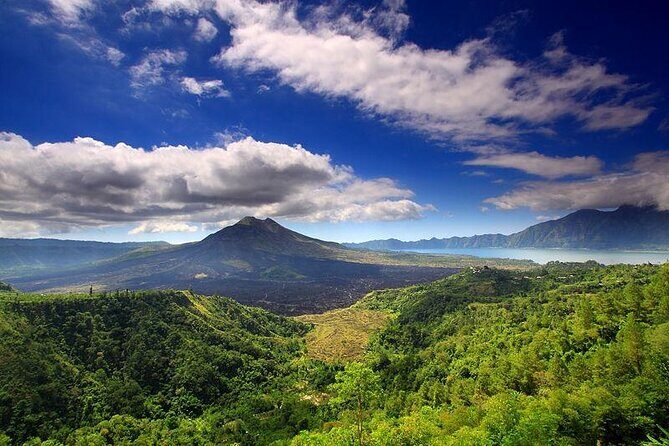
- Active Mount Batur viewpoint from Kintamani: You’ll get direct views of the volcano area plus Lake Batur from the highlands.
- Temple and purification stop at Tirta Empul: You see the Holy Spring Temple where locals believe holy water helps purify from bad luck.
- Monkey Forest in Ubud: A classic Ubud stop with monkeys and other tropical animals in a sanctuary setting.
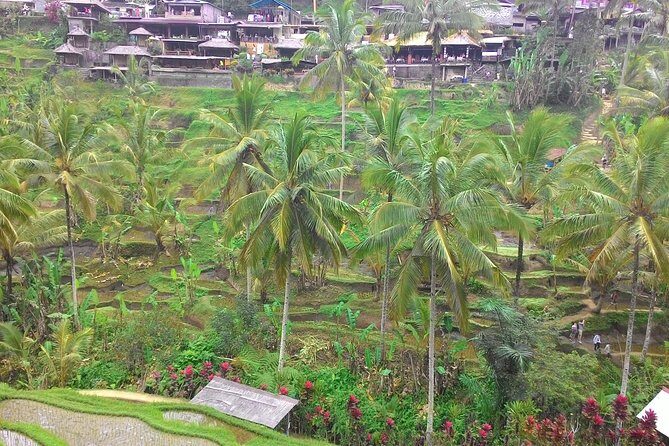
- Tegallalang rice terraces plus lunch with a terrace view: You get time to admire the terracing and eat an Indonesian meal overlooking the fields.
- Agro tourism at Uma Pakel: A coffee and plantation stop featuring things like robusta coffee, cacao, jackfruit, and durian.
- Worry-free “all entrance fee” pricing: Entrance fees, parking, lunch, and fuel surcharge are included in the $75 base price.
Why this Ubud + Kintamani route makes sense
This tour is built around a simple idea: Bali in one day, without the usual “I just drove for hours” feeling. You start in the Ubud area with the sights most people come for, then you gradually work your way toward Kintamani, where the air and the views shift. The payoff is the Mount Batur viewpoint—something that changes the whole tone of the day from gardens and temples to volcanic scenery.
The value here isn’t only the number of stops. It’s the way the stops fit together. Ubud gives you culture and visual texture—temples, crafts areas, and famous rice terraces. Kintamani gives you the reason people plan Bali’s north/central side: the dramatic, active volcano view and the broader highland setting.
If you’re the type who likes a tight itinerary and hates sorting tickets and timing, this works well. It’s also a good option if you want a local guide to explain what you’re looking at instead of just taking photos and moving on.
You can also read our reviews of more tours and experiences in Bali.

Pickup, timing, and how the day really flows
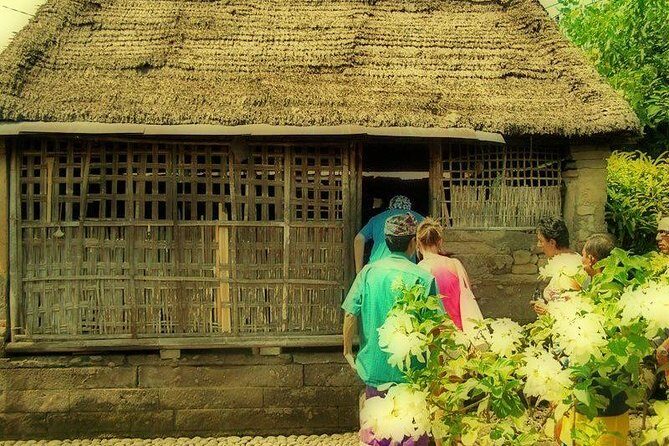
You’ll meet at the Bali Charm pickup point, with pickup offered from your hotel lobby or even from the port. The tour begins at 9:00 am, and most of the day is spent sightseeing while your driver handles the route. Because this is a private tour/activity, only your group participates, so you’re not stuck waiting on other parties.
The day is paced in “one big block of exploration.” That means you should plan for a couple things:
- You’ll likely be in the car more than you expect between Ubud and the Kintamani highlands.
- You’ll want water and snacks for the drive, even though lunch is included.
This isn’t a tour that feels like short, easy hops. It’s more like a guided day-trip where the schedule moves steadily from temple to art village to sanctuary to terraces to agro tourism, then up to Kintamani, and back toward Ubud-style stops.
Bali’s craft villages: Batuan Temple, then art stops in Celuk
Early on, the tour heads to Pura Puseh Desa Batuan (Batuan Temple). This is the kind of place that can feel “quick” on a schedule, but it’s worth treating as a meaningful stop. Batuan is known for temple architecture with carved details, so you’ll get a chance to slow down and look closely at the stonework style and devotional space rather than just passing by another viewpoint.
Next comes the art-village area, with Celuk Village as one option (fine silver jewelry), plus other nearby craft stops that may vary depending on the exact route—Batubulan for batik, Mas for wood carving, and Batuan for painting. This matters because it turns the day into more than “temples and photos.” You’re seeing how Bali’s artisan traditions show up in real workshops and retail spaces.
A practical tip: if you’re shopping, don’t wait until the end of the day. You’ll have more mental energy for comparing materials and prices earlier, and you’ll also avoid buying only because time is running out.
Sacred Monkey Forest: great fun with real rules
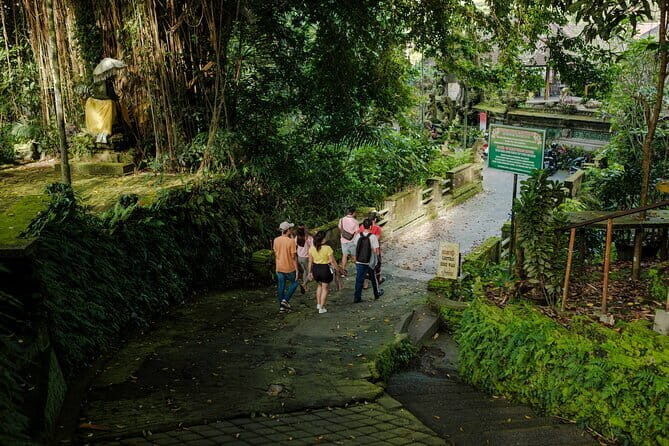
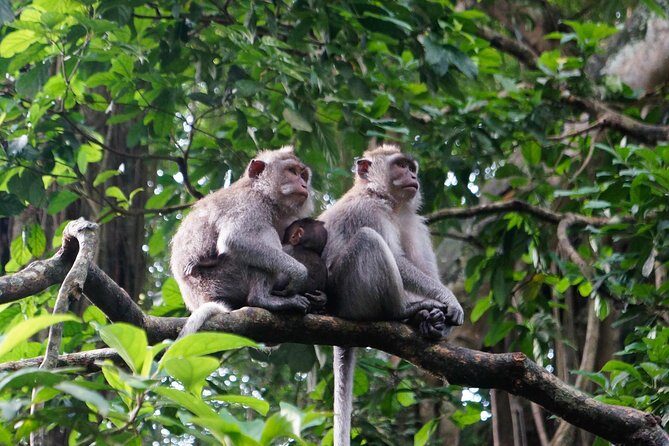
The Sacred Monkey Forest Sanctuary in Ubud is one of those famous stops for a reason: it’s lively, and it gives you a chance to watch monkeys in a maintained sanctuary setting alongside tropical greenery. It’s also a reminder that nature and wildlife aren’t a theme park. You’ll want to keep your behavior calm and follow any guidance from your guide, especially around close interactions.
This stop is typically a crowd magnet, but having a guide can help you avoid common mistakes like wandering into areas you shouldn’t or getting too comfortable with monkeys that are used to attention. The best way to enjoy it is simple: look, watch their movement, take photos from sensible distances, and keep your hands and bags secured.
If you’re visiting with kids, go in expecting it to be entertaining but also a bit chaotic. If you’re not a fan of animals near you, it’s still worth it as a cultural and environmental sight—just focus on the overall sanctuary feel rather than approaching too closely.
Tegallalang rice terraces and lunch: the best way to eat with views
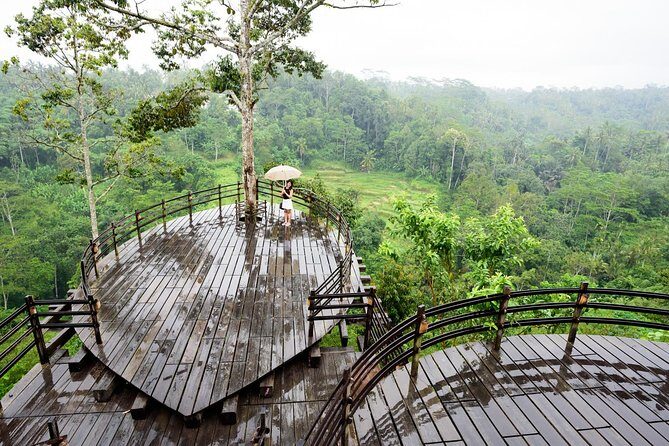
The tour includes time at Tegallalang rice terraces, and you’ll even have lunch with an Indonesian menu alongside the terrace view. This is a smart move. Food breaks up the day, and eating with a view keeps the stop from turning into just another photo line.
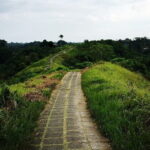
Tegallalang is known for how the rice fields stack and layer across the hillside. What I like about this kind of stop is that it shows agriculture as a living design. These terraces aren’t museum pieces; they’re working areas shaped by terrain and local farming practice.
Two things to keep in mind:
- Dress for comfort. You’ll likely move around walkways and uneven ground.
- Bring sun protection, especially since terrace areas can be open and bright.
Also, notice the tour schedule includes a second Tegallalang rice terrace visit later. That can sound repetitive, but in practice it can help you catch different angles and light. Even if it’s the same general area, the experience can feel different once you’ve seen Kintamani views and come back down.




Uma Pakel Agro Tourism: coffee and fruit you can actually name
One of the more interesting mid-day stops is Uma Pakel Agro Tourism, essentially a coffee and plantation visit with a guided look at tropical crops. The benefit isn’t only tasting or souvenirs. It’s that you’ll come away with a clearer picture of what grows locally beyond Bali’s beaches and temples.
You can expect to see plantations including robusta coffee and a variety of fruit and crops such as pineapple, snake fruit (salak), cacao, jackfruit, durian, and others. The list is a big part of the value because it turns what might otherwise be a generic farm stop into a more memorable, specific learning moment.
If you like food-related travel, this is a highlight. If you don’t care about agriculture, you can still enjoy it as a calm pause between busier cultural sites—plus it gives your legs a different kind of walking than temple stairs and terrace steps.
Kintamani highlands: where Mount Batur becomes real
This is the moment most people plan the day around: Kintamani Highland for views of active Mount Batur and Lake Batur. The viewpoint area is famous for scenes like Penelokan, with the volcano setting and the expanse of dark rocks, and you’ll have time to take in the scale.
What makes this stop special is the contrast with Ubud. Instead of carved temple details and manicured terraces, the scenery is dramatic and volcanic. You get that sense of Bali as a place formed by geology.
A practical note: mountain weather can change fast. You’ll want to stay flexible with what visibility looks like. The highland air can also feel cooler than the lowlands, so layering helps even if it’s warm earlier in the day.
If you’re visiting during a period when the volcano is more active visually, you’ll notice more movement or heat effects in the area. Even without that, the overall view is still the main attraction.
Tirta Empul Temple: the holy spring and a living belief
Back in the cultural groove, the tour stops at Tirta Empul Temple, well known as a Holy Spring Temple. This is where Balinese worshippers come for holy water connected to purification rituals—specifically, purification from bad luck, based on local belief.
This stop is valuable because it’s not just scenery. It’s a place where faith is active and ongoing. You’ll likely see people preparing and using the holy water as part of their spiritual practice.
Respect matters here. If you’re unsure what’s appropriate, follow your guide’s cues. Keep your voice down, and don’t treat it as a place for grab-any-photo tourism. The reward is a more grounded understanding of how temples function in daily Balinese life, not only as attractions.
Second Tegallalang terrace time: why two looks can be worth it
After the Kintamani viewpoint and Tirta Empul, returning to the Tegallalang rice terrace area again can actually help your day click into place. At first, you’re seeing terraces as a signature Ubud highlight. Later, you’ll revisit them with a fresh perspective after experiencing the volcano highlands.
The terrace visuals are different once you’ve already witnessed Mount Batur’s volcanic scale. Terraces feel more intricate, more human-made, and more like an adaptation to terrain—something you can appreciate more after seeing the contrast of Bali’s dramatic geography.
If you get short on time or patience, just focus on the most scenic angles. Your guide can help point you to what’s worth your effort, especially if you’re trying to keep the day from turning into a “do everything” checklist.
What your driver-guide adds (and why Wayan gets singled out)
A big part of this experience is the person behind the wheel and the talking. The tour includes an English or Japanese speaking driver cum guide, and the difference shows up in small things:
- keeping you on time across a long schedule
- guiding you to the right places for views and photos
- helping you understand what you’re seeing so the day feels less random
In particular, the guide Wayan is praised for safe driving, excellent local knowledge, and looking after people through the full day. One account also highlights how quickly he answered questions before the tour and how accommodating he was when the group had previously spent much of their trip around Jimbaran and then wanted a strong Ubud finish.
You can use that lesson even if you don’t know your guide’s name yet: ask questions early. If you clarify what pace you want, your guide can fine-tune how much time you spend at terraces, temples, and viewpoints.
Price and value: $75 that includes the expensive bits
At $75 per person, this tour can be a very good deal if you compare it to piecing together transportation, entrance tickets, and a guide yourself. Here’s what’s included:
- lunch (Indonesian menu)
- all entrance fees to the sites visited
- parking fees
- fuel surcharge
- an English or Japanese speaking driver cum guide
That list matters because Bali admissions and transport costs add up fast—especially on days with multiple stops spread across areas. When those are handled upfront, you’ll spend less time managing money and more time enjoying the day.
What isn’t included is fairly standard: other personal expenses. So bring cash/card for small buys like snacks, drinks, or souvenirs at craft stops. Also consider what you like to spend on. If you want to shop at the art villages, build in extra budget, since those stops are often where people naturally end up tempted.
Also keep in mind: it’s a private tour setup, even though there may be group discounts mentioned as a feature. Private means your time is yours, and that can be the biggest value for families or small groups who don’t want to merge into a larger crowd schedule.
Who should book this tour
This tour fits best if you want:
- a structured day that covers Ubud highlights plus Kintamani volcano views
- a guide to explain temples, sanctuaries, and what you’re looking at
- included lunch and included entrance fees so you can travel lighter
It’s especially good for first-timers who don’t want to plan multiple half-days. If you’ve already seen beaches and want culture plus scenery, this gives you a satisfying mix.
It may feel like too much if you prefer slow travel, zero driving, or you want long time in just one place (like only Monkey Forest or only rice terraces). For that style, you’d likely be happier with a shorter, more focused route.
Should you book the Bali Ubud & Kintamani Volcano Tour?
I’d book it if you want one solid day that ties together Ubud culture and a real Mount Batur viewpoint without juggling tickets and transport. The included entrance fees and lunch make the pricing feel more transparent, and the mix of stops keeps the day from being one-note.
Skip it or rethink if you get stressed by long schedules, you hate rushing between viewpoints, or you don’t enjoy wildlife and temples as part of your travel style. Also, if you’re extremely sensitive to animals, be cautious around Monkey Forest.
If you’re flexible and want a guided “best-of plus volcano” day, this tour is a strong value.
FAQ
What time does the tour start?
The tour starts at 9:00 am.
How long is the Bali Ubud & Kintamani tour?
The duration is about 8 to 10 hours.
Does the tour include pickup?
Yes. Pickup is offered from your hotel lobby or from the port.
What’s included in the tour price?
The price includes lunch, parking fees, fuel surcharge, entrance fees for all sites visited, and an English or Japanese speaking driver cum guide.
Is this a private tour?
Yes. It’s a private tour/activity with only your group participating.
What cancellation options are available?
You can cancel for a full refund up to 24 hours before the experience starts. If you cancel less than 24 hours before, the amount paid isn’t refunded.