REVIEW · UBUD
Myth of Pejeng Walking Tour
Book on Viator →Operated by Ubud Story Walks · Bookable on Viator
Pejeng is the Bali you don’t rush. On this Myth of Pejeng walk from Bedulu, you get guided visits to major local temples and a small museum stop, with stories that connect myths to real places. I especially love the exclusive access to one of the island’s most famous artifacts, and the small group pacing that keeps the walking comfortable. One heads-up: this is a real walk around historic sites, so expect uneven temple steps, steep bits, and patchy sidewalks.
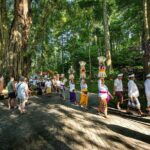
The tour runs rain or shine and starts at 8:30 am near Indomaret in Pejeng/Bedulu. If the day lines up with ceremonies, you may also catch extra atmosphere at the temples—just follow the guide’s lead and keep your focus on respectful visiting.
In This Review
- Key highlights to know before you go
- Pejeng walk timing: 8:30 am, ~2 hours, and where it starts
- How hard is it, really?
- Four real temple stops plus a museum courtyard
- Stop 1: Pura Penataran Sasih
- Stop 2: Pura Pusering Jagat (a Kahyangan temple)
- Stop 3: Kebo Edan Temple, the Crazy Buffalo story
- Stop 4: Arca Building Archaeological Museum (pre-Hindu Bali)
- Bronze kettle drum myths, moon stories, and why the guide’s job matters
- Price and value: what $21.40 really buys you
- Temple etiquette: sarong rules, how to dress, and what to expect
- Weather, water, and small comfort tips for a smoother walk
- Who this tour suits best
- Should you book the Myth of Pejeng walking tour?
- FAQ
- FAQ
- How long is the Myth of Pejeng walking tour?
- What time does the tour start?
- Where do I meet and where does the tour end?
- Is admission included?
- What’s included in the price?
- Do I need to bring a sarong?
- Does the tour run in rain?
- Is pickup or drop-off provided?
- Is the walking portion easy for everyone?
- Are service animals allowed?
Key highlights to know before you go
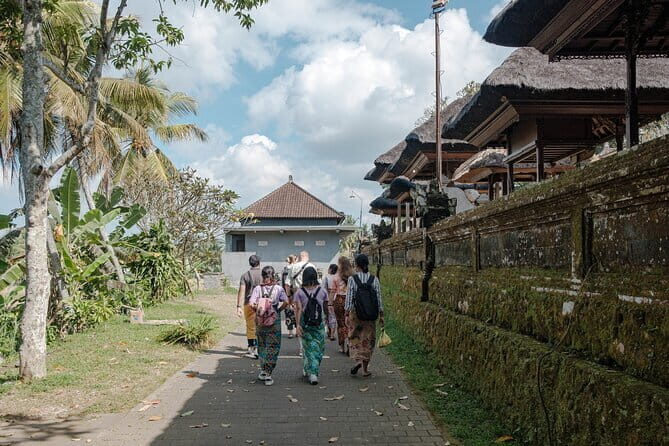
- Exclusive artifact access at Pura Penataran Sasih, including a bronze kettle drum tied to local myths
- Temple variety in four stops: directional Kahyangan temples, the Crazy Buffalo temple, and a pre-Hindu museum courtyard
- Small-group feel (max 8) with time for questions and a pace that doesn’t feel like a race
- Sarong and sash provided plus clear dress guidance so you can enter temples correctly
- Coffee, tea, and snack included, with a temple donation (Rp 60,000) built in
Pejeng walk timing: 8:30 am, ~2 hours, and where it starts
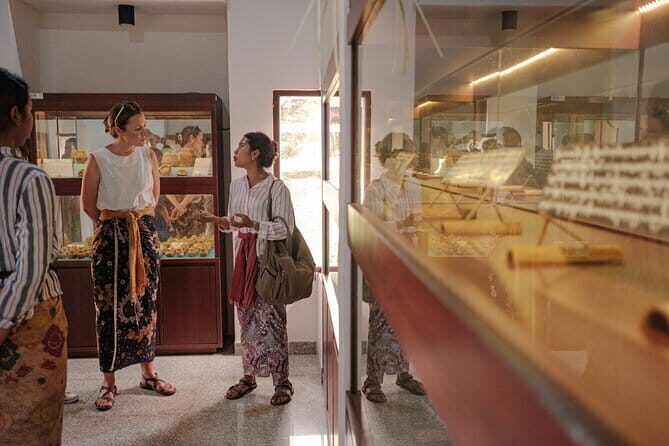
This tour meets in the Bedulu/Pejeng area of Ubud, starting at 8:30 am at Indomaret Pejeng, Jl. Raya Dr. Ir. Sukarno No.552, Bedulu. Your finish point is Museum Arkeologi (F7JV+563, Bedulu, Blahbatuh, Gianyar Regency).
It’s listed at about 2 hours, but the real-world feel depends on two things: how long you spend at each sacred site and whether you pause for stories or any local temple activity. In plain terms, I’d plan your morning so you’re not rushing straight into another timed plan right after.
Price is $21.40 per person, and that matters because this isn’t just a stroll with a map. You’re paying for a local English-speaking guide, included temple admissions/donations, sarong and sash, plus coffee/tea/snack.
You can also read our reviews of more walking tours in Ubud


How hard is it, really?
The tour is built around historic landmarks, so the guide can’t smooth out the terrain. You should be comfortable with uneven temple stairs, steeper gradients, and less-than-perfect sidewalks. The walk includes up to about 2 hours around an urban/historic area. If stairs make you nervous, it’s smart to bring a little extra caution (slow steps, steady footing, no rushing).
Four real temple stops plus a museum courtyard
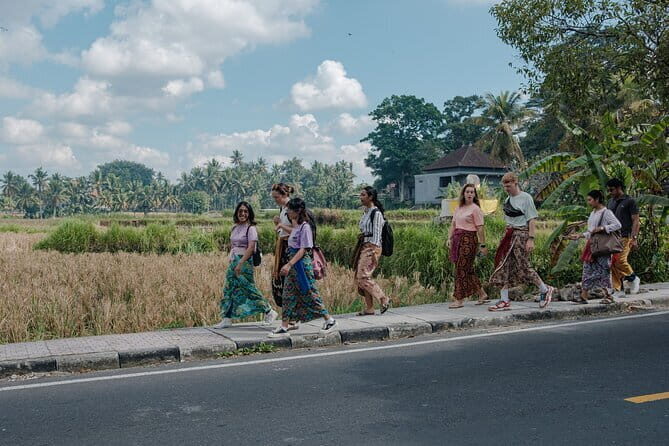
The tour is compact: four stops, with short time blocks at each. That’s part of the value—there’s enough time to learn without turning your day into a long marathon.
Stop 1: Pura Penataran Sasih
Your first stop is Pura Penataran Sasih, one of Bali’s oldest temples. You’ll enter in proper temple attire—your sarong and sash are part of the setup—and then the guide brings you to an area with special meaning.
The standout here is exclusive access to one of Southeast Asia’s largest bronze kettle drums. The guide connects the object to local stories and the role such items can play in community beliefs. Even if you don’t know Balinese religion before you arrive, this is a strong starting point because it frames what you’ll see next: myths aren’t floating in the clouds here. They’re tied to places and rituals.
Possible drawback: you’ll want to keep your attention on the guide and temple rules early on, because you’re walking and entering sacred space right away.
Stop 2: Pura Pusering Jagat (a Kahyangan temple)
Next you head to Pura Pusering Jagat, described as one of Bali’s six main Kahyangan (directional) temples. This temple complex is believed to be at the island’s center, which gives the visit a bigger-than-local feeling. The guide uses this idea of center and direction to explain how Balinese religious geography works in daily life.
Expect time for explanation and close observation of carvings and sacred areas. The best way to enjoy this stop is to slow down: don’t just take photos—watch what the guide points out and ask questions while you’re still there.




Stop 3: Kebo Edan Temple, the Crazy Buffalo story
Then comes Kebo Edan Temple, often described as the Temple of the Crazy Buffalo. This is a small temple, but it’s packed with story. You’ll see an imposing 13th-century Bhairawa statue that was recovered from nearby rice fields.
What makes it interesting isn’t only the statue—it’s the way the guide talks about theories around its unusual origins. That helps you understand why people argue and interpret religious artifacts. In other words, you’re not just getting facts; you’re learning how meaning gets discussed in place.
Stop 4: Arca Building Archaeological Museum (pre-Hindu Bali)
Your last stop shifts from temples to a more ancient layer of the area: Arca Building Archaeological Museum. This open courtyard setup lets you see giant sarcophagi and learn about pre-Hindu Bali life and customs.
This final stop is a great mental reset. It gives you a timeline feeling—how different eras and beliefs can overlap in the same region. If you like your Bali with a puzzle-like edge, this stop delivers.
Bronze kettle drum myths, moon stories, and why the guide’s job matters
The tour isn’t built to be a lecture. It’s built to connect myth to space.
The bronze kettle drum at Pura Penataran Sasih is the biggest hook. Your guide’s explanations make the object feel less like a random antique and more like part of a living tradition. You’ll also hear local myth threads, including stories tied to the moon of Pejeng and other belief ideas discussed under broader themes like tantra. Even if those words are new to you, you’ll get the basic context for how people think and why certain items matter.
I also like that different guides bring different pacing. In past tours, guides have included people like Joe, Bagus, and Win, and their common skill is simple: they answer follow-up questions and make the information fit what you’re actually looking at. If you tend to ask lots of questions, this small-group structure helps.
Price and value: what $21.40 really buys you

On paper, $21.40 seems modest. In practice, it’s easier to judge as a bundle:
- Local English-speaking guide
- Temple admissions/donations included, including a temple donation of Rp 60,000
- Sarong and sash provided
- Balinese coffee, tea, and snack
- Special access to a Balinese compound area connected to the first temple stop
When you compare that to paying separately for entry fees, a guide, and basic refreshments, the math gets kinder. You’re also buying a day structure that keeps you moving between meaningful locations without having to figure out details on your own.
Temple etiquette: sarong rules, how to dress, and what to expect
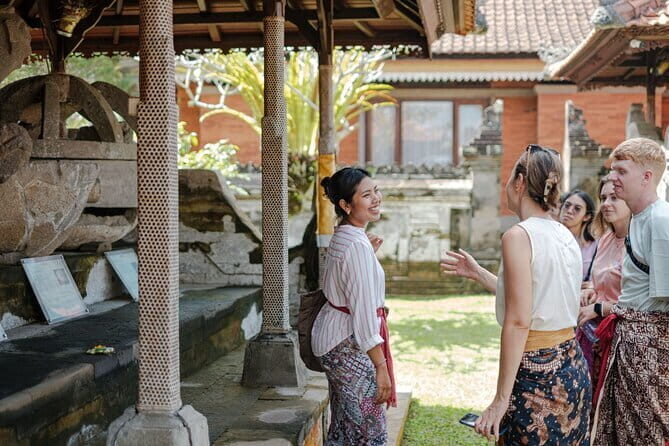
Balinese temples are sacred places, and the tour makes you ready. The rule is clear: both men and women must dress modestly, with a sarong that covers the legs below the knee.
You can bring your own sarong, but the tour also provides one, along with a sash. That’s a real convenience. It’s also one less thing to worry about when you’re trying to get to a meeting point on time.
Practical advice: once you’re in temple areas, keep your movements calm. If you’re unsure what the guide wants, follow closely. Your best photos (and your easiest experience) come when you’re paying attention to the temple rules rather than rushing around.
Weather, water, and small comfort tips for a smoother walk
This tour operates rain or shine. If there’s severe weather—like an intense downpour—the provider will call you before the start.
I like one specific value add in their environmental commitment: they ask you to bring a reusable water bottle for refills to help reduce plastic in Bali’s rivers. That’s an easy habit and it’s worth doing even when you’re on a short walk.
What else to plan for?
- Sun and bugs are both real in Bali mornings, so sunscreen and bug repellent help.
- Wear shoes with decent grip for uneven stone and temple stairs.
- Bring a small daypack if you want water, sunscreen, and your phone charger cable.
Who this tour suits best

This is a strong match if you want:
- A short, structured morning in the Ubud area without overplanning
- Culture plus objects: myths tied to artifacts and a final museum stop with pre-Hindu pieces
- A small group experience (max 8 travelers) so the guide can keep questions flowing
It may be less ideal if:
- Stairs and uneven ground make you uncomfortable
- You want a fully flat, low-impact walk
Should you book the Myth of Pejeng walking tour?

I’d book it if you’re in Ubud and you want a morning that feels like Bali, not a checklist. The best reasons are the bronze kettle drum connection, the small-group pacing, and the way the walk moves from temple myths to a museum courtyard without dragging on.
Skip it or consider a different option if you know you won’t feel safe on uneven temple steps and steep sections. Also, if your entire day depends on zero-weather changes, remember this runs rain or shine and may shift slightly in feel when conditions are tough.
FAQ
FAQ
How long is the Myth of Pejeng walking tour?
It’s listed at about 2 hours.
What time does the tour start?
The start time is 8:30 am.
Where do I meet and where does the tour end?
Meet at Indomaret Pejeng (Jl. Raya Dr. Ir. Sukarno No.552, Bedulu). End at Museum Arkeologi (F7JV+563, Bedulu, Blahbatuh, Gianyar Regency).
Is admission included?
Yes. Admission ticket access is included for each temple stop, and a final museum stop is included as part of the tour.
What’s included in the price?
Included items are: a local English-speaking guide, expertly guided walking tour, temple donations (Rp 60,000), Balinese coffee/tea/snack, special access to a Balinese compound, sarong and sash, and Indonesian guide availability.
Do I need to bring a sarong?
Not necessarily. The tour can provide a sarong and sash, though you may bring your own if you prefer.
Does the tour run in rain?
Yes, it runs rain or shine. If conditions are severe (like an intense downpour), you’ll be called before the start time.
Is pickup or drop-off provided?
No. The tour does not provide pickup or drop-offs from your accommodation.
Is the walking portion easy for everyone?
The route can include uneven temple stairs, steep gradients, and patchy sidewalks. You should be physically capable of climbing steps and walking in an urban environment for up to about 2 hours.
Are service animals allowed?
Yes, service animals are allowed.
If you want, tell me your hotel area in Ubud and whether you’d rather walk early than later—I can suggest how to time your morning around the 8:30 am start.