REVIEW · UBUD
UNESCO Sites Cultural Walking Tour in Bali
Book on Viator →Operated by Friends in Bali · Bookable on Viator
Bali starts with water, not beaches. This UNESCO sites walking route from Ubud pairs a sacred purification ritual at Tirta Empul with a guided day that moves from temple courtyards to working rice fields. I especially like that they provide the Balinese cloths for the temple visit and the holy spring bath, so you can follow the ritual without scrambling for the right outfit.
Later, you’ll walk through rice paddies around Gunung Kawi Sebatu and learn how the traditional Subak irrigation system supports farming and community life. I also like the practical breaks: light breakfast and a Balinese lunch, plus mineral water and coconut water to keep the day comfortable. One consideration: this is a true walking tour, and it’s not recommended if you have back problems, heart complaints or other serious medical conditions, or if you’re pregnant.
In This Review
- Key things to know before you go
- Why This UNESCO Sites Walking Tour Feels More Like Real Bali
- Tirta Empul: The Purification Ritual (and How to Get It Right)
- Friends in Bali: Light Breakfast, Balinese Lunch, and a Reset
- Gunung Kawi Sebatu: Rice Paddies, Subak, and a Cave Temple
- The Real Takeaway: Water Worship and Water Management
- Price and Value: What You’re Actually Paying For
- Timing, Pacing, and What Your Body Needs
- Group Size and Guide Quality: Why Small Teams Matter
- What to Do About Photos, Alcohol, and Temple Gear
- Who This Tour Is Best For
- Should You Book This UNESCO Sites Cultural Walking Tour in Bali?
- FAQ
- How long is the UNESCO Sites Cultural Walking Tour in Bali?
- What time does the tour start in Ubud?
- Is hotel pickup and drop-off included?
- Are temple admissions included?
- What’s included for the purification ritual at Tirta Empul?
- What meals and drinks are included?
- Is this tour suitable for people with medical conditions or pregnancy?
- What’s the maximum group size?
- What is not included in the tour price?
Key things to know before you go
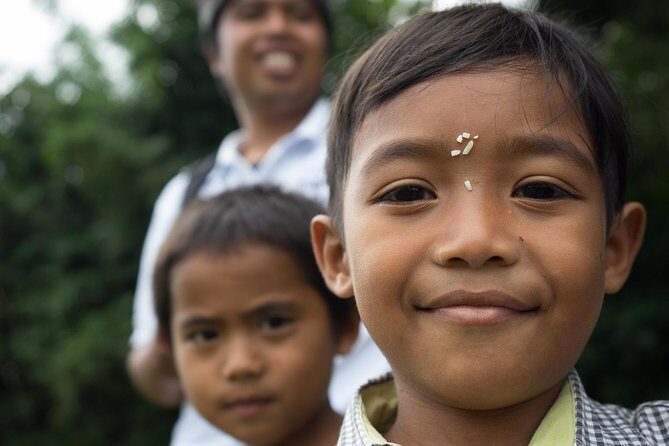
- Purification ritual at Tirta Empul with a guide escort and provided cloths for the holy spring bath
- Subak irrigation explained on the walk as you pass through rice paddies around Sebatu
- Gunung Kawi Sebatu cave temple visit with time to explore and take in the setting
- Included meals and drinks: light breakfast, Balinese lunch, mineral water, and coconut water
- Small group size with a maximum of 20 travelers
- Charity included that supports a local school
Why This UNESCO Sites Walking Tour Feels More Like Real Bali
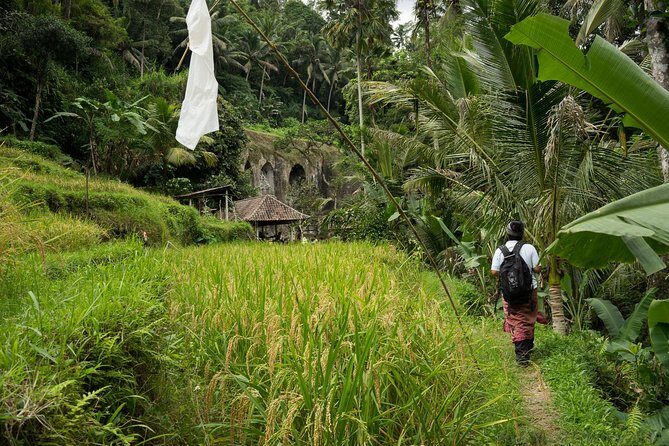
This tour works because it links three things that matter in Bali: water, farming, and worship. You start with the Tirta Empul purification ritual, then you shift to the rice-paddy world where Subak irrigation keeps everything growing. The day ends at Gunung Kawi Sebatu, where you get a cave-temple experience tied to the way history and faith sit side by side.
I also like that the structure is simple. It’s not a marathon of stops. It’s about a few meaningful places with time to listen, ask questions, and walk between them at a human pace.
Finally, it’s good value if you want transport and entrance fees handled for you. Hotel pickup and drop-off from Ubud, temple admissions, and meals are all part of the package.
You can also read our reviews of more walking tours in Ubud
Tirta Empul: The Purification Ritual (and How to Get It Right)
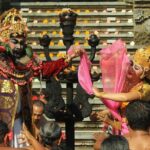
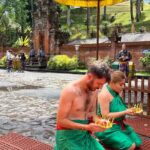
The heart of the day is the Tirta Empul Temple visit, which runs about 2 hours. Your guide gives context about the temple before escorting you to take part in the purification ritual at the holy spring. That prep matters because it helps you understand that this is not a photo-op moment. It’s a spiritual practice with clear expectations for how you behave.
You’ll be provided Balinese cloths for both the temple visit and the purification bath. That’s a big help. Temple dress rules can be confusing when you arrive cold. Here, you get what you need, and your guide can tell you how to use it.
A practical note: you’ll be in a ritual environment, so keep your focus on what’s happening around the water. Move calmly, follow instructions, and don’t treat it like a spectacle. If you’re nervous about getting involved, the guide’s escort and the provided cloths make it much easier than going in on your own.
As for the storytelling style, the guides associated with this experience get consistent praise for being kind and professional. Names that come up include Wayan, Nyoman, and Dewa, and the common thread is plain, warm explanations that make people feel comfortable asking questions.
Friends in Bali: Light Breakfast, Balinese Lunch, and a Reset
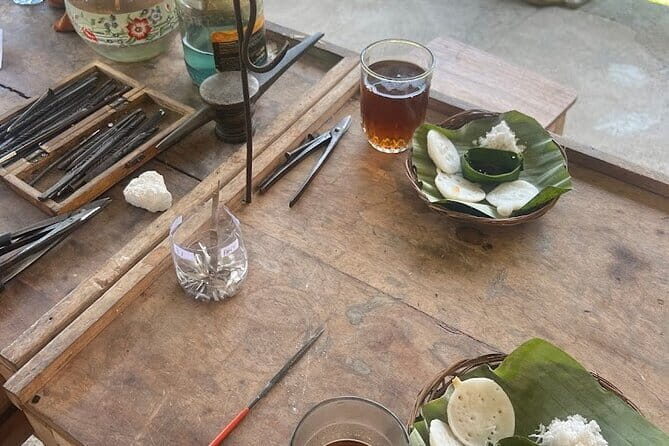
After Tirta Empul, you’ll head to Friends in Bali for about 1 hour. This is the meal break, with a light breakfast and then a Balinese lunch. You also get mineral water and coconut water during the day, which is handy for staying hydrated while you’re walking and moving between sites.
This stop is short by design. It keeps the day from dragging. You get a real food break, not just a snack, so you’re not thinking about hunger while you’re trying to pay attention to temples and traditions.
The tour also includes a charity contribution in a local school. That part is easy to miss because it’s not the main event, but it’s a meaningful add-on if you care about where your money goes once you’re off the tourist circuit.
Gunung Kawi Sebatu: Rice Paddies, Subak, and a Cave Temple
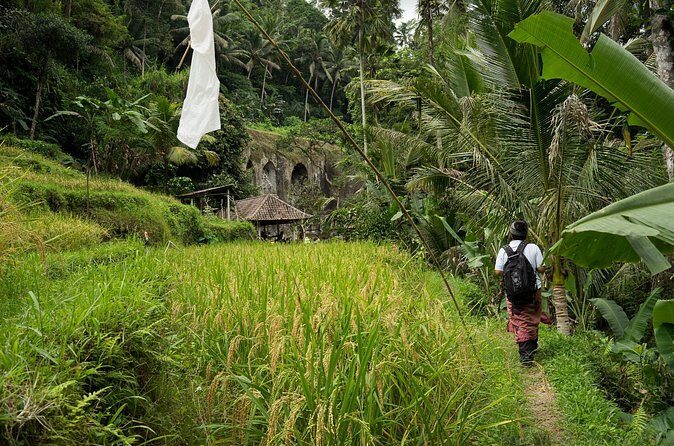
The final major stop is Gunung Kawi Sebatu Temple, again about 2 hours. This is where the day’s “culture lesson” becomes physical. You’ll walk through rice paddies and learn about the traditional irrigation system called Subak.
Subak matters because it’s not just water management. It’s a community system that shapes farming life and the rhythms of agriculture. When you hear the story while you’re actually walking through rice fields, it clicks faster than reading about it later.
Then you’ll explore the cave temple. The cave setting adds a different feeling from Tirta Empul. Instead of open spring water and temple bathing, you’re moving through a space shaped by stone, shade, and echoes. It helps to have time here, because cave-temple visits are the kind of thing you want to do slowly instead of rushing through.
One small caution: because this is a cave-temple environment plus walking through rice areas, you should expect some uneven ground and steps. If you’re someone who struggles with that sort of terrain, plan carefully and consider sitting this one out.
The Real Takeaway: Water Worship and Water Management
The most valuable part of this tour isn’t just seeing two famous temple names. It’s the connection between how Bali handles water in everyday life and in sacred rituals.
At Tirta Empul, water is used for purification. It’s spiritual and symbolic, and the guide’s role is to help you understand what you’re witnessing and how to participate respectfully. At Sebatu, water is also central, but here it’s about Subak irrigation and how farmers coordinate for the land to keep producing.
When these two ideas sit side by side in one day, you start seeing the logic behind them. This is why the walk format works. You aren’t just transported from sight to sight. You move through the same kind of terrain locals move through, and the explanations land in the right place.


Price and Value: What You’re Actually Paying For
At $58 per person, the big question is what’s included versus what you’d likely pay if you built it yourself.
What’s covered:
- Hotel pickup and drop-off from Ubud
- Temple admissions at Tirta Empul and Gunung Kawi Sebatu
- Balinese cloths for the purification ritual and temple visit
- Light breakfast and Balinese lunch
- Mineral water and coconut water
- Guiding fee
- A charity contribution to a local school
What’s not included:
- Alcoholic drinks
- Souvenir photos (available to purchase if you reserve in advance)
In plain terms, this price looks fair if you want a guide, transport, and two major temple visits bundled with meals. If you’ve ever tried to coordinate that on your own, the time cost alone can feel expensive. Here, you pay once and show up ready to walk.
Timing, Pacing, and What Your Body Needs
The tour starts at 8:30 am and runs about 6 hours. That’s a solid length for a walking day. You get enough time to experience Tirta Empul properly, eat without rushing, and then spend time learning and exploring at Gunung Kawi Sebatu.
This is not described as a strenuous hike, but it is a walking tour. You’ll be on your feet for multiple segments, including moving through temple areas and rice-paddy paths. The fitness level requirement is “moderate,” and the tour is explicitly not recommended for people with back problems, heart complaints, or other serious medical conditions, as well as pregnant women.
So my advice is to judge the tour based on your worst day, not your best. If you usually manage stairs poorly, or if uneven ground makes you nervous, this may not be the right choice.
Group Size and Guide Quality: Why Small Teams Matter
The experience caps at 20 travelers. That size is big enough to feel like a group, but small enough that you can still ask questions and get real attention at the temples.
You’ll feel that most during the purification ritual and the Subak lesson. Those parts depend on communication. A good guide can correct your pace, explain the purpose of what you’re doing, and help you avoid common awkward moments.
The guides tied to this experience get consistent praise for friendliness and professionalism. Names that come up include Wayan, Nyoman, and Dewa, and the shared theme is clear explanations without making you feel rushed.
What to Do About Photos, Alcohol, and Temple Gear
This tour comes with temple cloths, and the purification ritual is part of what’s organized for you. You don’t need to bring specific bath attire based on the information provided, because the cloths are included.
Souvenir photos are optional. They’re available to purchase, but only if you reserve in advance. If that matters to you, plan ahead and don’t wait until you’re done.
Alcoholic drinks are not included, though you can purchase them. If you want to keep the day simple, stick to the included water and coconut water.
You’ll also use a mobile ticket, so keep your phone handy on arrival.
Who This Tour Is Best For
This is a great fit if you:
- Want culture you can walk through, not just culture you look at from a bus
- Like learning how real systems work, such as Subak irrigation
- Prefer a day with a few focused stops and guided explanations
- Enjoy spiritual sites when there’s structure for etiquette and participation
It’s less ideal if you:
- Need low-impact routes only
- Have any conditions listed as disqualifying by the tour (back problems, heart complaints, serious medical conditions, pregnancy)
- Get uncomfortable participating in a ritual setting, even with guidance
Should You Book This UNESCO Sites Cultural Walking Tour in Bali?
I’d book it if your goal is to understand Bali beyond the surface. The Tirta Empul purification ritual and the Subak irrigation lesson are the kind of pairing that makes the day feel coherent. You leave with stories that connect water, work, and belief.
I would skip it if your body doesn’t handle walking or uneven terrain well, since the tour’s format is clearly active and includes a cave-temple visit. And if you’re hoping for a mostly relaxing sightseeing day, this one is better for people who like to pay attention and follow a schedule.
If $58 covers your comfort zone with transport, meals, temple entry, and guiding, this is a strong way to spend one day around Ubud.
FAQ
How long is the UNESCO Sites Cultural Walking Tour in Bali?
The tour lasts about 6 hours.
What time does the tour start in Ubud?
It starts at 8:30 am.
Is hotel pickup and drop-off included?
Yes. Hotel pickup and drop-off from Ubud are included.
Are temple admissions included?
Yes. Admission tickets are included for Tirta Empul Temple and Gunung Kawi Sebatu Temple.
What’s included for the purification ritual at Tirta Empul?
You’ll receive Balinese cloths for the temple visit and the purification bath in the holy spring. Your guide escorts you for the ritual.
What meals and drinks are included?
You get a light breakfast and a Balinese lunch. Mineral water and coconut water are also included.
Is this tour suitable for people with medical conditions or pregnancy?
It’s not recommended for participants with back problems, heart complaints or other serious medical conditions, and it’s not recommended for pregnant women.
What’s the maximum group size?
The tour has a maximum of 20 travelers.
What is not included in the tour price?
Alcoholic drinks are not included, and souvenir photos are available to purchase by advance reservation.