REVIEW · NUSA LEMBONGAN
Advanced Open Water Course – Advanced Certification in Lembongan (next to Bali)
Book on Viator →Operated by Dive Concepts Bali · Bookable on Viator
New water skills, same safe planning. This 2-day SSI Advanced Open Water course in Nusa Lembongan builds directly on your Open Water training, with five supervised underwater sessions and certification to 30 meters (100 feet). What makes it interesting is the balance: you’re working on practical abilities (navigation, depth planning, and buoyancy-related specialty work) rather than sitting through endless classroom time.
I especially like that the training style is described as less theory-centered than Open Water, so you spend more time using what you learned. I also like that the center is set up for comfort between sessions, with Wi-Fi, lockers, toilets, shower, and a change room—small things that matter when you’re on a tight schedule.
The main drawback to consider is that this course depends on good weather. When conditions aren’t suitable, they’ll offer a different date or a full refund, so you’ll want a flexible mindset.
In This Review
- Key takeaways before you commit
- Earning SSI Advanced Open Water in Nusa Lembongan (30m card, not just practice)
- Less theory, more underwater skill building (the Mellower style)
- The five underwater sessions: what you actually learn
- Deep Adventure: depth planning and how your body reacts
- Underwater Navigation: compass skills you can use later
- Three specialty sessions based on what you want
- Crystal Bay to Jungut Batu Beach: why the route matters
- Stop 1: Crystal Bay
- Stop 2: Manta Point
- Stop 3: Mangrove Point at Nusa Lembongan
- Stop 4: Toyapakeh
- Stop 5: Jungut Batu Beach
- The instructor experience: safety-forward, attentive coaching
- Gear, comfort, and what’s included (so you travel lighter)
- Price and value: what $431.28 buys you over two days
- Who should take this course (and who might not)
- Should you book Advanced Open Water in Lembongan?
- FAQ
- What certification do I earn on this course?
- Do I need Open Water certification first?
- How long is the course?
- How many training sessions are included?
- What equipment is included?
- What sites will we visit?
- What’s the maximum group size?
- Is theory-heavy?
- Is it weather dependent?
Key takeaways before you commit
Starts after Open Water certification: You’ll need your Open Water card first, then you progress fast.
30 meters certification on day one or two: The deep training is part of the qualification.
Navigation training uses real tools: Compass work includes kick-cycles, visual landmarks, and time.
You choose specialty focus areas: Photography, buoyancy control, fish ID, exploring wrecks are mentioned as options.
Small group size (max 5): More attention, less waiting around.
Gear and instructor included: Masks, fins, regulator, buoyancy control jacket, wetsuit, and weight belt are provided.
Earning SSI Advanced Open Water in Nusa Lembongan (30m card, not just practice)
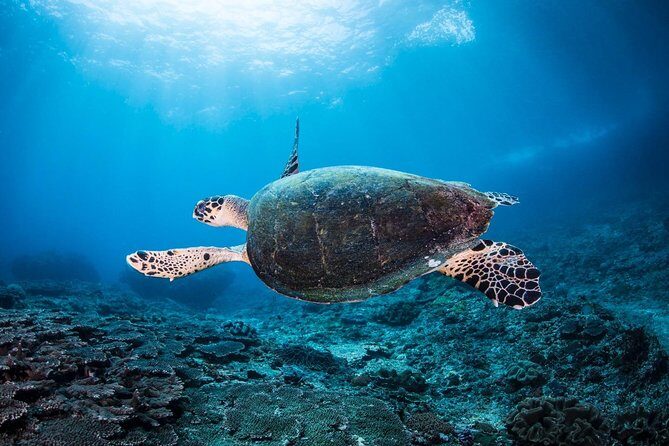
Your goal here is certification, not just a fun weekend in the ocean. SSI’s Advanced Open Water course pushes you past the basics and into more “real diver” problem-solving: planning a deeper profile, managing the body’s response to increased depth, and tightening up navigation so you’re not guessing underwater.
The big headline you’ll care about is the certification depth: you qualify to go to 30 meters. That matters because it changes what you can plan for future trips. Instead of feeling like you’re limited to shallow, comfortable conditions, you’ll have a card that matches more adventurous dive plans.
And because this is designed to start just after Open Water, it tends to feel like a direct continuation rather than a reset. If you’ve recently finished Open Water, you’ll likely remember your fundamental buoyancy and equipment checks—so you can devote your energy to depth and navigation skills.
You can also read our reviews of more tours and experiences in Nusa Lembongan.
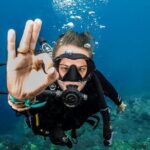
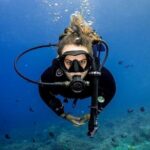
Less theory, more underwater skill building (the Mellower style)
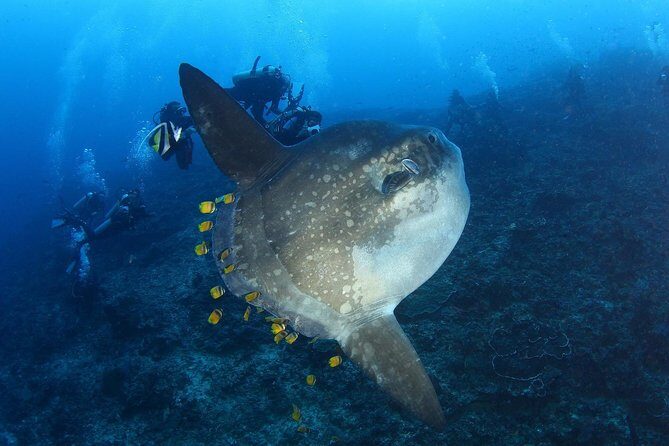
A lot of courses either overload you with classroom content or try to cram too much into too little water time. This one is described as less theory-centered than the Open Water course, and that shift is honestly the point of an Advanced class.
What you can expect is a more skill-forward rhythm:
- Some theory is still there, but it’s tied to what you’re about to do.
- The training dives are structured like lessons you can apply immediately.
- You’ll keep moving between instructor guidance and hands-on corrections.
The result is that the course feels practical. You’re not just learning what a compass is—you’re using it with a plan, in a real underwater environment, with your breathing and buoyancy affecting everything.
The five underwater sessions: what you actually learn
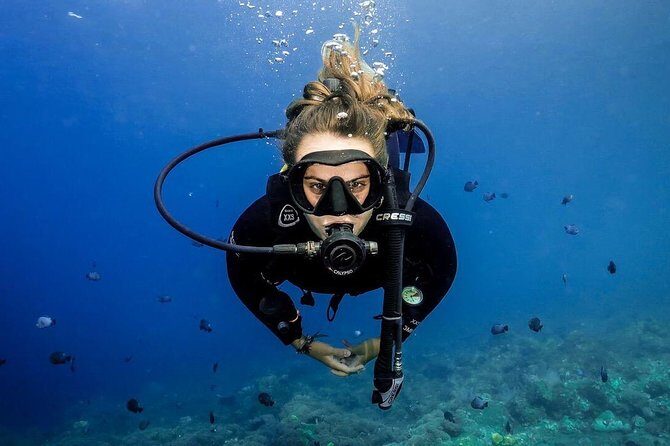
This is a five-session course, each one tied to a specific skill goal. The “Deep Adventure” and “Underwater Navigation” pieces are the most clearly defined.
Deep Adventure: depth planning and how your body reacts
You’ll work on planning dives for deeper profiles and dealing with physiological challenges of deeper scuba. Even if you feel comfortable at shallow depths, deeper water changes things: breathing patterns, how your body feels, and how you manage time underwater.
The takeaway is confidence with the planning side. You’ll be learning to think before you drop in—not just react once you’re already there.
Underwater Navigation: compass skills you can use later
This part is all about navigation you don’t have to guess. You’ll refine compass navigation and learn how to use:
- kick-cycles
- visual landmarks
- time
That combination matters because it gives you more than one method to avoid getting turned around. A compass is helpful, but landmarks and time can save you when conditions are different than expected.
Three specialty sessions based on what you want
The remaining three sessions are in specialist areas of your choice. The course information lists examples like:
- photography
- buoyancy control
- fish identification
- exploring wrecks
This is the piece I like most for value. You’re not forced into a one-size-fits-all checklist. You can steer your learning toward what you actually want to do on future trips.
Crystal Bay to Jungut Batu Beach: why the route matters
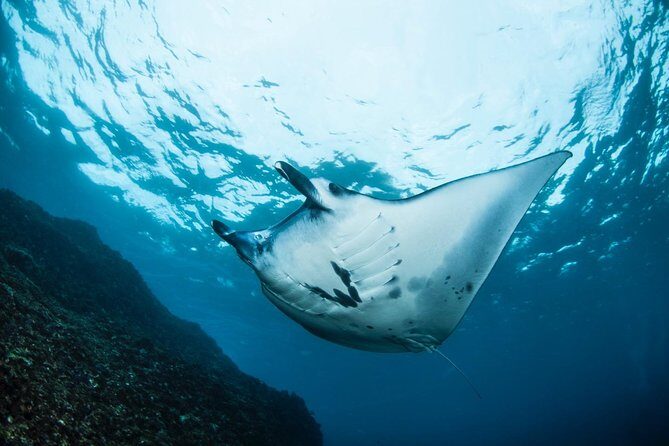
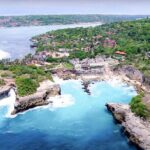
The course takes you to multiple local sites around Nusa Lembongan. That variety isn’t random—it helps you practice skills in different underwater settings while keeping the learning objectives on track.
Stop 1: Crystal Bay
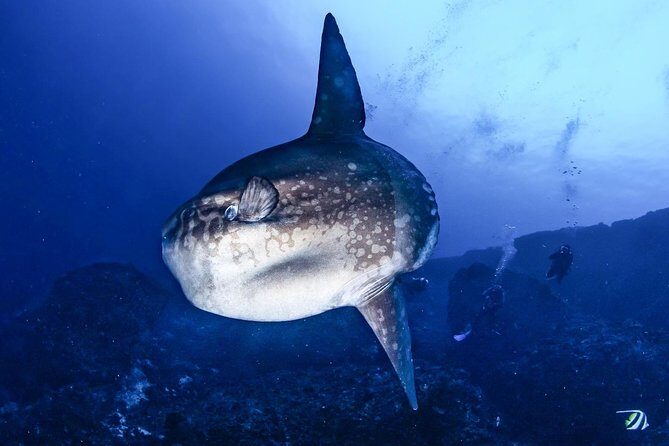
Crystal Bay is the first training stop. Starting here helps you settle in with equipment checks, buoyancy control, and getting your body into a training rhythm. Expect the day to build from comfortable basics into more focused objectives.
A practical note: the first stop is where you’ll want to be especially calm. Your instructor will likely be setting standards for how you move, check your gear, and follow the plan.
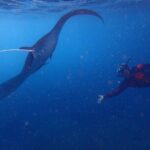
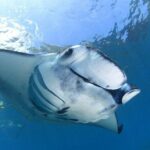
Stop 2: Manta Point
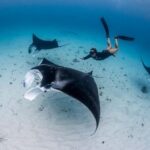
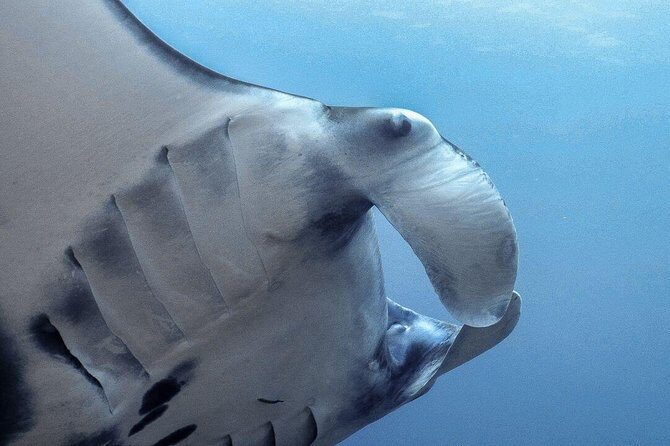
You then move on to Manta Point. Even if your main goal is certification, this stop is a reminder that training happens in real dive spots, not sterile pools. You’ll keep practicing with an eye on control: trim, buoyancy, and staying aware of your navigation or depth targets depending on the session plan.
If you’re someone who gets excited by wildlife, this is where you may need to balance wonder with technique. Your instructor’s job is to keep you on-task.
Stop 3: Mangrove Point at Nusa Lembongan
Mangrove Point is a different kind of environment than open-water training areas. The name alone hints at a setting where you’re likely dealing with different visual references and underwater structure.
That’s useful for learning navigation strategies. Visual landmarks and time-based awareness aren’t just “theory.” They’re easier to understand when you can actually see a reference and confirm your timing.
Stop 4: Toyapakeh
Toyapakeh is another classic Lembongan-side area used for training. By this time, you should feel more comfortable with the flow of the day and with your instructor’s feedback style.
This is also where you’ll probably notice the difference between “I can do the skill” and “I can do the skill while staying relaxed.” Advanced training rewards control under mild stress, like staying on compass heading without rushing.
Stop 5: Jungut Batu Beach
Ending at Jungut Batu Beach keeps the loop simple: you’re back toward the main Lembongan area by the final session. Ending close to where you’re starting is convenient, especially if you want to handle shower/change-room time without turning it into a whole production.
By the end, focus on what your instructor wants you to prove: stable buoyancy, calm navigation execution, and good depth-awareness.
The instructor experience: safety-forward, attentive coaching
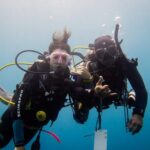
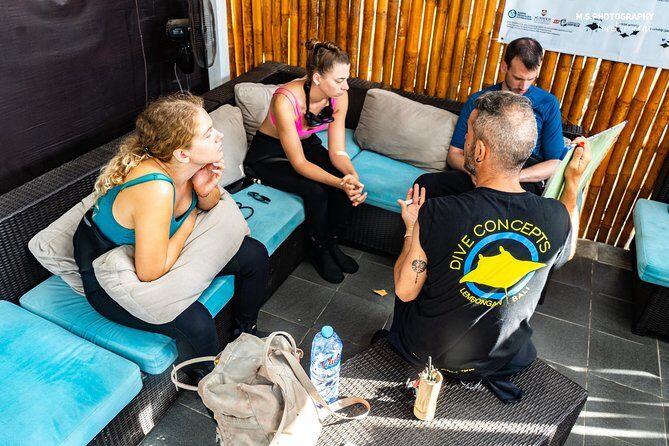
One thing that comes through clearly from the instructor coverage is professionalism with a warm tone. Names that show up include Valentin, Kaka, Hugo, Sara, and Silvère. People describe them as patient, careful, and genuinely focused on making you feel safe and capable.
That matters, because Advanced Open Water isn’t about “bravery.” It’s about control:
- staying calm when depth increases
- managing timing so your plan stays accurate
- using navigation methods without panic-swimming
I also like that this course runs with a small max group size of 5. Fewer people typically means you get more direct feedback and less waiting while your gear gets sorted.
And if you’re solo, that small group structure can be a good sign. One-person setups still need attention, and the limit helps.
Gear, comfort, and what’s included (so you travel lighter)
Good value is what you don’t have to bring. This package includes equipment and the instructor:
- mask, snorkel, fins
- buoyancy control jacket
- regulator
- wetsuit and weight belt
- other instruments as needed
That’s a big deal if you’re traveling from Bali or elsewhere and you don’t want to haul scuba gear through airports.
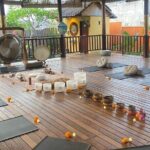
On land, the center provides facilities like Wi-Fi, lockers, toilet, shower, and a change room. There’s also a restaurant on-site, but it’s own expense, so you’ll want a plan for meals between sessions.
Price and value: what $431.28 buys you over two days
At $431.28 per person for around two days, the value angle is straightforward: you’re paying for instructor-led training plus all equipment support. In many places, the instructor and gear are what quietly add up.
Here, they’re bundled. You’re also getting multiple structured skill areas:
- depth planning and physiological awareness
- compass navigation with repeatable methods
- three specialty options you can align with your interests
So the cost makes sense if you:
- already have Open Water certification
- want to move forward quickly
- want meaningful coaching rather than just a casual day out
If you’re not ready to commit to the card work and the skills checks, you might feel like the course pace is “a lot.” But if you want the progression, it’s a clean two-day path.
Who should take this course (and who might not)
This works best for you if you:
- have Open Water certification already
- want to build confidence under professional supervision
- like structured learning with real-world application
- enjoy the idea of choosing your specialty focus (photography, buoyancy control, fish identification, wreck exploring)
It’s also a practical fit if you’re someone who values organization. People note that the shop and boat setup is well managed, gear is in good condition, and the crew is friendly and helpful.
A possible mismatch: if you hate being coached and corrected closely, or you struggle with planning and following steps, you might find the navigation and depth-planning sections stressful. The good news is instructors seem geared for patient teaching.
Should you book Advanced Open Water in Lembongan?
If you want a real certification upgrade in a short time, I’d say this is worth your attention. The strongest reasons to book are the small group size, the skill-focused structure, and the safety-forward instructor reputation (with names like Valentin, Kaka, Hugo, Sara, and Silvère). Add in that your gear is included and the center has the comfort basics, and you’re not fighting logistics while you’re trying to learn.
Before you commit, make sure you can handle the course depends on good weather and that you’re at a moderate physical fitness level. If you’re flexible and ready to take skills seriously, you’ll likely come away with both the card and the confidence to plan future underwater trips.
FAQ
What certification do I earn on this course?
You earn SSI Advanced Open Water certification, with training that qualifies you to dive to 30 meters (100 feet).
Do I need Open Water certification first?
Yes. This course requires you to be Open Water certified before you can start.
How long is the course?
It’s about 2 days.
How many training sessions are included?
The course includes five training dives/sessions as part of the certification process.
What equipment is included?
Your package includes mask, snorkel, fins, buoyancy control jacket, regulator, wetsuit, and weight belt, plus other instruments as needed.
What sites will we visit?
You’ll go to Crystal Bay, Manta Point, Mangrove Point, Toyapakeh, and Jungut Batu Beach.
What’s the maximum group size?
The course has a maximum of 5 travelers.
Is theory-heavy?
It’s described as less theory-centered than the Open Water course, with training focused on practical skills.
Is it weather dependent?
Yes. The experience requires good weather. If it’s canceled due to poor conditions, you’ll be offered a different date or a full refund.