REVIEW · NUSA LEMBONGAN
Snorkeling Manta Ray in Nusa Lembongan
Book on Viator →Operated by Nusa Penida info · Bookable on Viator
Manta rays make mornings feel magic. This snorkel tour in Nusa Lembongan aims for reef fish and giant manta rays, with the plan shifting when conditions change. I love how it keeps things simple: you’re in the water for a short, focused stretch and the snorkeling setup is handled for you. One thing to consider first: animal-interaction standards can be inconsistent, and there’s a chance of boats getting too close for comfort.
Because the route depends on waves and currents, you might visit 3–4 of the named spots: Manta Bay, Crystal Bay Beach, Gamat Bay, and Wall Point. I like this flexibility because it gives you more chances than a one-spot gamble. The trade-off is you can’t lock in a single location ahead of time, so go with a let-the-day-happen attitude.
You meet at Warung Tiko’s in Jungutbatu (8:00am) and the tour ends back there. There’s no hotel pickup, and the group is capped at 15, which helps keep the boat and water time from turning chaotic. At $23.66 per person, this is solid value for a manta-focused snorkel—just keep your expectations realistic about weather and wildlife behavior.
In This Review
- Quick hits for manta ray snorkel success
- Manta rays in Nusa Lembongan: what a 2-hour snorkel really delivers
- How weather picks your stops: Manta Bay, Crystal Bay Beach, Gamat Bay, Wall Point
- Into the water: equipment, in-water guidance, and how to help yourself spot mantas
- Reef fish plus giant rays: what your swim time will feel like
- The animal welfare reality check (important)
- Price and value: is $23.66 worth it?
- Getting there and making it painless: Jungutbatu meeting point and what to bring
- Who this tour suits best (and who should pass)
- Should you book this manta ray snorkel?
- FAQ
- What is the duration of the snorkeling manta ray tour?
- How much does it cost per person?
- What time does the tour start?
- Where is the meeting point?
- Is hotel pickup included?
- What snorkeling gear is provided?
- What spots might the tour visit?
- How many people are in the group?
- Is there a mobile ticket?
- What happens if the weather is poor?
Quick hits for manta ray snorkel success
- Weather-smart planning: you may hit up to 3–4 hotspots like Manta Bay, Crystal Bay Beach, Gamat Bay, and Wall Point
- Gear is included: you don’t have to pack masks or fins for this one
- Small group vibe: a maximum of 15 people helps keep things orderly in the water
- Guides matter: teams like Newman F1, Captain Coconut, and Yogi Bear are mentioned as professionals who work hard to find sightings
- More than one swim can happen: if more mantas show up, some operators may let you re-enter for another look
- Crowding is the wildcard: you’ll want to keep an eye on how close boats get and whether anyone touches wildlife
Manta rays in Nusa Lembongan: what a 2-hour snorkel really delivers
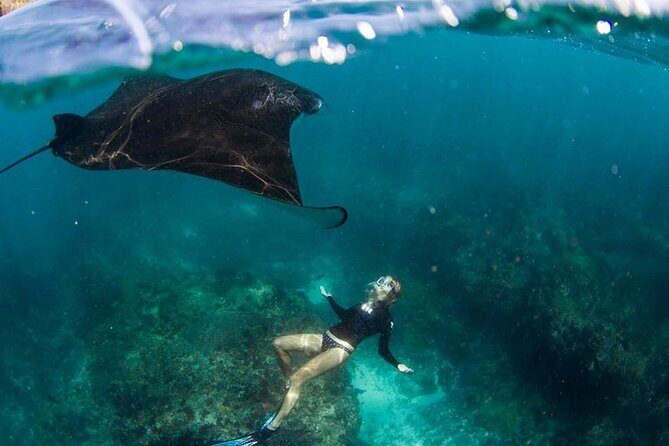
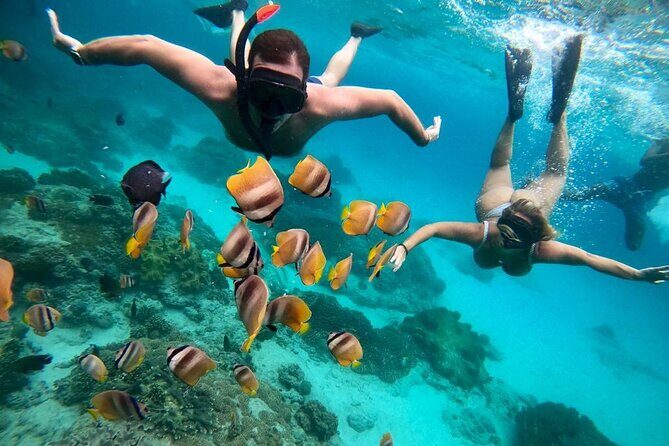
This is one of those tours where the main event is the animal. You’re not signing up for a long cultural day. You’re signing up to get your face in the water and look for the big one: the giant manta ray. Along with that, you’re also in the right place to see reef fish, which means even when manta rays don’t show instantly, the snorkeling can still feel rewarding.
The tour is short—about 2 hours—so you’re not spending your whole day waiting around. That matters in Nusa Lembongan, where time gets eaten up by boat schedules, heat, and the small delays that come with island life. Here, you get a clean block of action instead of a half-day of uncertainty.
I also like that the operator clearly frames this as accessible. They say most travelers can participate, which usually means the pace is beginner-friendly. You still want to be comfortable floating and doing basic snorkel breathing, but you don’t need special training to join.
You can also read our reviews of more snorkeling tours in Nusa Lembongan
How weather picks your stops: Manta Bay, Crystal Bay Beach, Gamat Bay, Wall Point
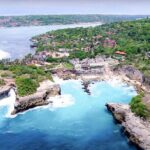
This is a big deal: the tour doesn’t treat the sea as predictable. It explicitly runs based on waves and strong currents, and it chooses among several hotspots. You might visit Manta Bay, Crystal Bay Beach, Gamat Bay, and Wall Point, depending on what the water is doing that morning.
Here’s the practical value for you: manta rays are not on a schedule. If conditions are rough at one place, you’ll likely shift your search area rather than just grinding it out. That’s why you’ll see multiple spot names instead of a single fixed route. In practice, that increases your chances of getting at least one good sighting window.
The one drawback is also obvious. Because the water conditions steer the plan, you can’t plan your day like this is a museum visit. If your heart is set on a specific named location, you’ll have to loosen your grip a little.
Into the water: equipment, in-water guidance, and how to help yourself spot mantas
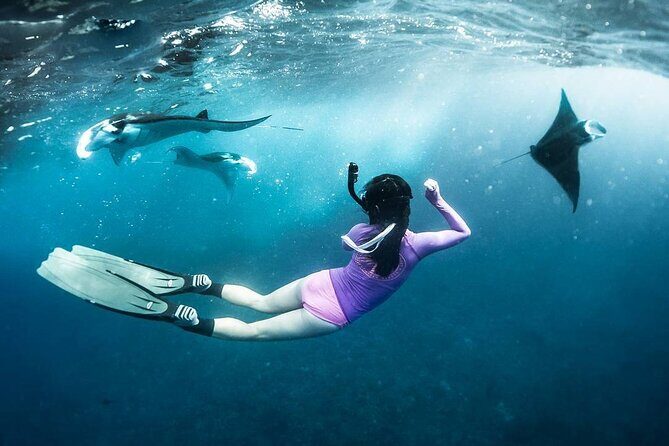
Good manta ray snorkels have one secret: the guide helps you stay oriented. Without help, you can end up drifting in one direction, staring down at nothing, and missing the brief moment when a manta passes close.
This tour includes snorkeling equipment, so you’re not hunting for gear at the last minute. That’s one less headache before 8:00am. It also means you can focus on the essentials: fit the mask comfortably, get used to breathing through the snorkel, and keep your body relaxed so you float instead of fighting the water.
In the water, guides are a big part of the experience. Different operators are mentioned with people such as Newman F1 and crews like Captain Coconut and Yogi Bear. The common thread in what people highlight is that the team in the water works to find the right spots and then helps you make the most of what you see.
You should also know this: if the mantas show up and then disappear, you may not get a long repeat window. That’s why it can help when a guide is flexible. One account praises an operator who allowed a return swim after the first manta sighting when more rays approached. That’s the kind of adaptive decision that turns a good trip into a great one.
Reef fish plus giant rays: what your swim time will feel like
The tour’s promise is pretty clear: you’re looking at reef fish and trying for the manta ray. The reality is that underwater encounters come in moments. You might see fish cruising right away, and then spend a bit of time scanning for the larger shadow that can appear suddenly and then move off.
Think of it like birdwatching, but wetter and with better snacks nearby. You want to look for slow movement, a change in the water’s texture, and that feeling of the current carrying something huge from the corner of your eye.
Also, because the route changes with conditions, the snorkeling experience can shift between calmer-looking windows and more challenging water. If the sea is pushing, you’ll want to hold your position (as much as you can) and avoid thrashing. Panic wastes oxygen and makes everything feel harder than it needs to be.
If you come in with the mindset that you’re there to observe—not conquer the ocean—you’ll likely enjoy it more.
The animal welfare reality check (important)
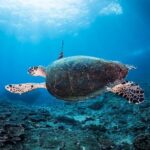
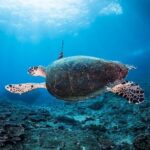
I’m going to be blunt here, because it affects how you should behave in the water. There’s a concern in some accounts about how close boats get and whether anyone is touching marine life. One report describes a guide bending down and touching a turtle, and the writer also noticed someone else doing the same.
That doesn’t automatically mean this happens every day, but it’s enough to treat as a red flag for your own choices. If you care about animal welfare, bring a calm, respectful attitude:
- Don’t reach out to animals. Watch them instead.
- Keep space between you and wildlife, even if someone else ignores the rules.
- If boats are crowding close, you can still choose to stay still and avoid making the interaction worse.
You can also take a simple “speak up early” approach. Ask the crew what their behavior expectations are during close encounters, and whether they follow a no-touch approach. Good operators will usually be able to explain their standards clearly.
The upside: manta rays are wild animals. When you treat them with distance and patience, you often get a cleaner viewing moment anyway—less chaos, fewer sudden movements, and more time to just watch.

Price and value: is $23.66 worth it?
At $23.66 per person, this snorkel tour sits in the “pretty good deal” category for a targeted manta-ray experience—especially because equipment is included and the timing is tight (about 2 hours). You’re paying mostly for the local know-how, the boat ride, and the chance at a real wildlife sighting.
Two things help you judge value fairly:
First, the trip’s short. You’re not paying for a half day of transport and delays without an actual swim window.
Second, the spots are weather-dependent. That means the operator is managing risk in the sea. You might not always land the exact conditions you want, but the flexibility can help you still get a real snorkeling experience rather than just showing up and floating around.
A final reality check: because the average rating shown is 3.6 from 7 reviews, there are clear signs this experience isn’t flawless for everyone. Some people focus on professionalism and fantastic sightings. Others focus on animal-welfare concerns and behavior. So you’re getting good value, but you should show up ready to manage the animal-interaction part yourself.
Getting there and making it painless: Jungutbatu meeting point and what to bring
You start at Warung Tiko’s on an unnamed road area near 8F42+Q62 in Jungutbatu, with a 8:00am start. The tour ends back at the same meeting point. There’s no hotel pickup, so you’ll need to get yourself there on time.
This matters more than it sounds. “Unnamed road” is not always a charming travel detail. It can be a slow-start problem if you’re relying on vague landmarks. Give yourself a little extra buffer and check the exact spot with your operator before you head out.
What to bring is simple, because you’re only booked for around two hours:
- Your basics (water, sunscreen, and a hat—morning sun in this part of Bali region can move fast)
- Any personal items you need to feel comfortable in the water
- A mindset that the sea conditions may change the route
Also, keep an eye on the group size. With a maximum of 15 travelers, you should still expect some crowding in the water at times, especially if the sea is calm enough for everyone to line up.
Who this tour suits best (and who should pass)
This tour is best for people who want a focused, wildlife-first snorkel day. If you love the idea of seeing a giant ray in its natural area and you’re okay with weather-driven changes, you’ll probably have a good time.
It’s also a fit if you like structure. You’re not figuring out transport and spot-hopping on your own. You meet at a set point, gear is included, and the crew handles the in-water guidance.
I’d be more cautious if animal welfare is your top priority and you’re sensitive to crowding or close boat behavior. The concerns about touching wildlife are enough to say: choose your stance carefully and be ready to hold your own line with respectful behavior.
Should you book this manta ray snorkel?
If you want manta rays and you’re comfortable going with the sea’s schedule, I’d say it’s a reasonable booking—especially at $23.66 with snorkeling equipment provided and a short 2-hour time block.
Book it if:
- You’re excited by giant manta rays and reef fish
- You like small-group structure (up to 15 people)
- You’re willing to adapt to weather and accept that stops can change
Consider skipping or booking with extra caution if:
- You’re strongly opposed to any close contact or touching wildlife (and want strict proof of no-touch behavior)
- You’re easily stressed by “find the meeting point” mornings with less-than-perfect landmarks
- You need hotel pickup, because it’s not included
One smart move: be firm about your own behavior in the water. That’s the part you can control.
If the operator answers clearly about animal-interaction standards and keeps the boats at a respectful distance, this can be a genuinely memorable manta morning.
FAQ
What is the duration of the snorkeling manta ray tour?
The tour lasts about 2 hours.
How much does it cost per person?
The price is $23.66 per person.
What time does the tour start?
It starts at 8:00am.
Where is the meeting point?
You meet at Warung Tiko’s on Unnamed Road, with the location listed as 8F42+Q62, Jungutbatu, Nusa Penida, Kabupaten Klungkung, Bali 80771, Indonesia.
Is hotel pickup included?
No. Pickup from your hotel is not included.
What snorkeling gear is provided?
The tour includes use of snorkeling equipment.
What spots might the tour visit?
Depending on weather conditions, the tour may visit spots such as Manta Bay, Crystal Bay Beach, Gamat Bay, and Wall Point.
How many people are in the group?
The maximum group size is 15 travelers.
Is there a mobile ticket?
Yes, the tour uses a mobile ticket.
What happens if the weather is poor?
This experience requires good weather. If it’s canceled due to poor weather, you’ll be offered a different date or a full refund. The experience is also non-refundable and can’t be changed for any reason if you cancel.