REVIEW · NUSA LEMBONGAN
2 Days Discover Scuba Diving in Nusa Lembongan – Scuba Initiation
Book on Viator →Operated by Dive Concepts Bali · Bookable on Viator
First-time scuba can be a nerve-buzzer. This 2-day scuba initiation program turns that fear into something you can handle, step by step, with gear, coaching, and a close instructor nearby. What makes it especially interesting here is the chance to get real underwater time in places like Manta Point and Crystal Bay, where the water life is the main event.
I love that your learning is staged. You start with a short briefing and pool practice, so you don’t feel thrown to the deep end. I also like how tightly supported it is once you’re in open water, with instructors like Sara, Hugo, Valentine, Romane, and Valentin named in past student experiences, including people who felt panic and still worked through it.
One possible drawback: the program leans on standard equipment, and at least one past group flagged that some gear looked a bit worn/aged. It wasn’t a deal-breaker for most people, but it’s worth keeping in mind, especially if you’re picky about gear condition.
In This Review
- Key things to know before you start
- Where Nusa Lembongan makes sense for your first scuba experience
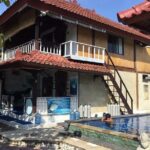
- Day 1 in the pool: your confidence is built before you go down
- Day 2: two different underwater stops, with mantas as a real possibility
- Understanding the course structure: the “4 main steps” that keep you safe
- Stop-by-stop: what you’ll likely see around Crystal Bay, Mangrove Point, Toyapakeh, and Jungut Batu
- Gear, facilities, and comfort: you’re not expected to arrive ready to teach yourself
- Price and added costs: is $151 worth it for 2 days?
- Who should book this (and who might want to reconsider)
- Should you book 2 Days Discover Scuba Diving in Nusa Lembongan?
- FAQ
- What depth will I reach during this scuba initiation?
- What happens on Day 1?
- What happens on Day 2?
- Is all scuba gear included?
- Is there an extra fee for Manta Point?
- What if weather is bad or I need to cancel?
Key things to know before you start
- Progressive training: briefing + pool skills first, then open-water sessions on Day 2
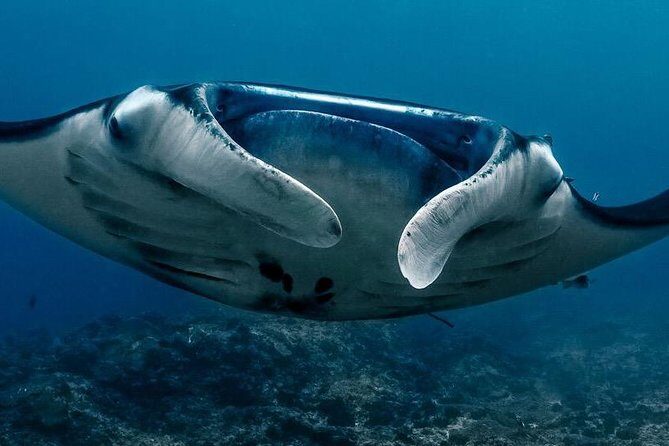
- Manta Point is the headline: a known cleaning station where mantas often gather
- Two water sessions: one at Manta Point (often) and another at Crystal Bay
- Instructor close by: you’re not floating off on your own; coaching stays hands-on
- Gear and basics included: wetsuit, weight belt, mask/fins/B.C.D., regulator, and more
- Manta Point can cost extra: there’s an additional 300,000 Rp fee to reach it
Where Nusa Lembongan makes sense for your first scuba experience
Nusa Lembongan is one of those places that feels purpose-built for short adventures. You’re not trying to cross an ocean or grind through a travel day. You’re based on the island, you learn the basics, and then you go underwater for real.
The main reason this course works well for beginners is that the area gives you two things at once:
1) A short, structured path to confidence
2) Underwater scenery that makes the effort feel worth it
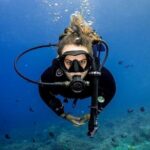
You’re going to descend to a max of 40 feet (12 meters), which is deep enough to feel the “new world” sensation without turning this into a technical challenge. And the course is designed around the idea that your body needs a moment to adjust to breathing underwater. That first period can feel strange. Then it starts to click.
If you’re anxious, that matters. In past experiences tied to this program, instructors like Hugo and Sara were specifically praised for helping students who felt panicked or fearful. That kind of support isn’t just nice—it’s the difference between quitting early and finishing the course.
You can also read our reviews of more scuba diving tours in Nusa Lembongan
Day 1 in the pool: your confidence is built before you go down
Day 1 is mostly about reducing surprises. You get a short briefing to understand the fundamentals of scuba, then you practice basic skills in a swimming pool. The goal is simple: you learn how to put your equipment together and how it feels when everything is working.
This is where you’ll get the most value out of the whole experience. The equipment includes the pieces you need to start safely: mask, snorkel, fins, buoyancy control device (B.C.D.), regulator, and other instruments. You also get a wetsuit and a weight belt included, so you’re not scrambling to rent the right gear last-minute.
Pool practice gives you a safe place to figure out:
- how breathing through the regulator feels
- how your buoyancy changes when you fin and move
- how to manage the basic hand/arm moments that later feel automatic
The program’s message is clear: the learning curve is progressive. That progressive feel is what helps first-timers make it past the awkward stage where you’re thinking too much.
Day 2: two different underwater stops, with mantas as a real possibility
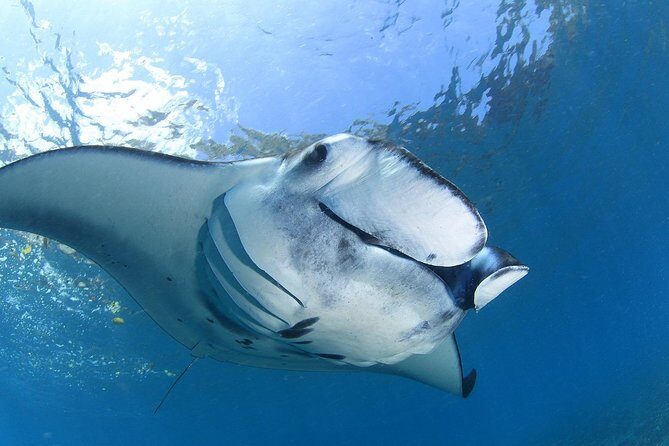
Day 2 is where the course earns its reputation. You head out with an experienced, close-by instructor and you do two underwater sessions. Between them, there’s a short rest and refuel on the boat.
What matters is not just that you get two tries. It’s the contrast:
- one session is set up around Manta Point
- the other is set up around Crystal Bay
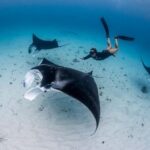
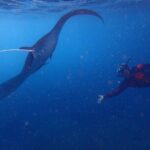
Manta Point is described as a cleaning station where manta rays are often found, typically around 3–5 meters. That matters for beginners because you’re not necessarily chasing some tiny distant speck. Your chances of a memorable sighting are built into the site choice.
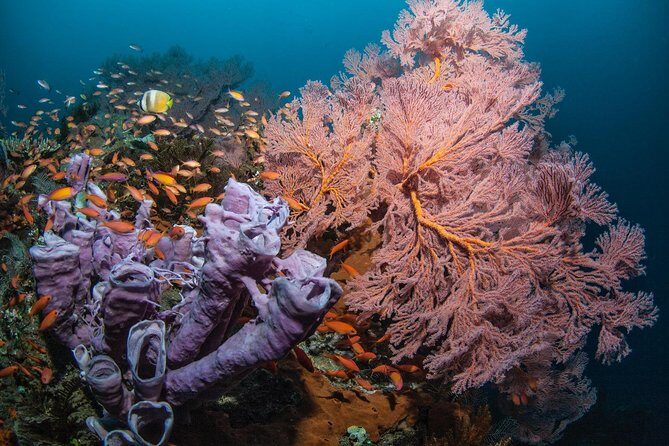
Crystal Bay is the other stop that the program pairs with Manta Point. It’s a classic second-site option in the area, and it’s often where students get a different mix of coral and fish life after they’ve already learned to handle the feeling of breathing underwater.
If you’re wondering what the underwater experience actually feels like for a beginner, the program description is honest about the arc: once you adapt to the new breathing sensation and basic movements, it can start to feel like you’re finally moving in sync with the water.
Understanding the course structure: the “4 main steps” that keep you safe
This is a Discover Scuba style initiation course. The structure is built for people who have never done this before, and it shows in how the day is broken up.
Here’s how your learning usually plays out:
- Step 1 (Day 1): short briefing + a few pool exercises
- Step 2 (Gear setup): you learn how to assemble and adjust the gear
- Step 3 (Day 2 first open-water session): instructor-led, max depth limited to 12 meters
- Step 4 (Day 2 second open-water session): a second try after you’ve settled in, often at a different site
Your instructor stays close the whole time. That’s not just a comfort perk—it’s practical. Beginners typically need reminders for posture, breathing rhythm, and buoyancy control. When support is right there, you don’t lose confidence mid-session.
In previous experiences associated with this program, students praised instructors for being patient and prepared. One person described being guided through unpleasant-scenario preparation, which tells me the teaching isn’t just “look at the fish.” It’s also about teaching you what to do when something feels off.
Worth a look: cross-reference: seminyaktours.com.
Stop-by-stop: what you’ll likely see around Crystal Bay, Mangrove Point, Toyapakeh, and Jungut Batu
The plan includes several named stops. Some are true dive sites; others are more like the staging points and route areas that get you from the island base to the best water locations.
What you can count on from the program plan:
- Crystal Bay is one of the named water stops and a key part of the Day 2 experience
- Mangrove Point (Nusa Lembongan) appears as a route/staging stop before heading toward other areas
- Toyapakeh also appears as a stop name along the way
- Jungut Batu Beach is tied to the base area where the experience is centered
Even if these names aren’t the headline like Manta Point and Crystal Bay, they matter because they hint at how efficiently the day runs. You’re starting and ending around Jungutbatu and using the surrounding areas to reach the best conditions and sites.
What you’ll probably care about most is how the two underwater sessions feel back-to-back:
- the first session teaches your body the scuba rhythm
- the second lets you apply that learning while you look at the scenery with less mental effort
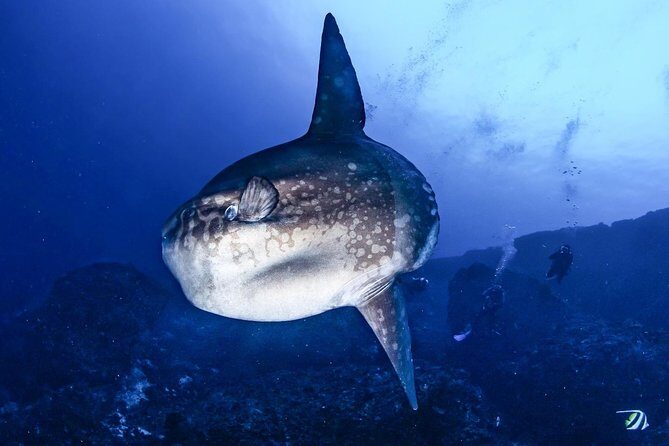
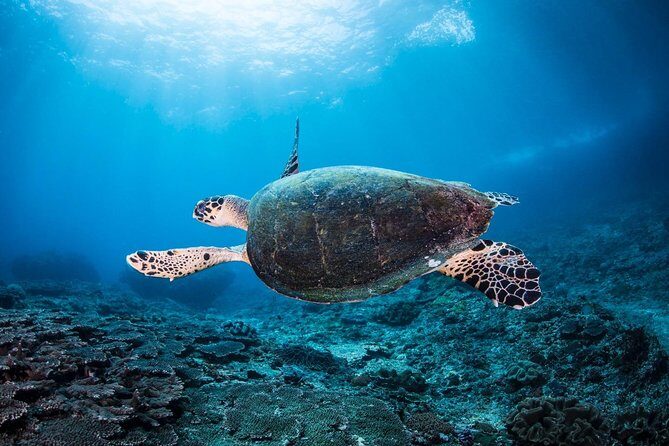
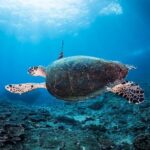
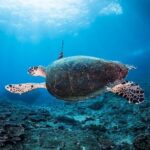
Past experiences tied to this program specifically mention standout wildlife like manta rays, turtle, octopus, and box puffer—plus other sightings like dolphins in some cases. You should treat wildlife sightings as luck plus site choice, not a guarantee. But the site selection is clearly aimed at maximizing the chances of seeing something special.
Gear, facilities, and comfort: you’re not expected to arrive ready to teach yourself
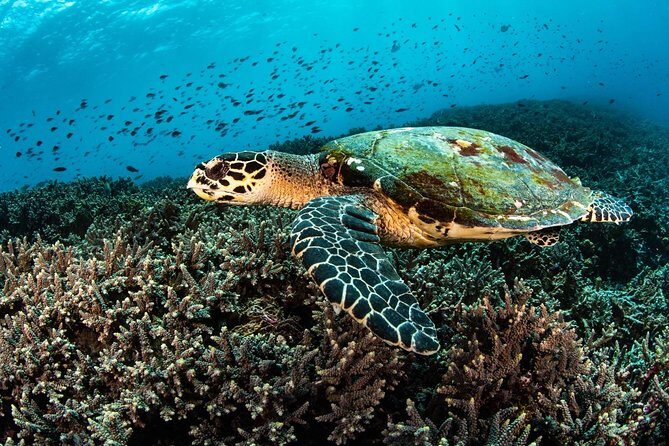
Most of the hassle is handled for you. The course includes key gear and basic comfort setup at the center: WiFi, toilet, shower, locker, and a change room. That sounds minor until you’re there with wet gear and limited energy. Then it becomes very real.
Included equipment:
- mask, snorkel, fins
- buoyancy control device (B.C.D.)
- regulator and other instruments
- wetsuit and weight belt
Two practical notes:
1) If you’re sensitive to fit, try to get a few minutes on the mask fit and strap placement before you go in the water. A good seal makes everything easier.
2) If you hate wasting time, arrive with dry layers and keep your documents handy. You’ll likely be switching between boat, center, and water.
And one gentle caution from past feedback: at least one student felt some equipment looked older/aged. You can’t assume perfection. What you can do is check your gear setup at the start. If something feels off, tell your instructor right away. The program is designed to be close-support, not hands-off.
Price and added costs: is $151 worth it for 2 days?
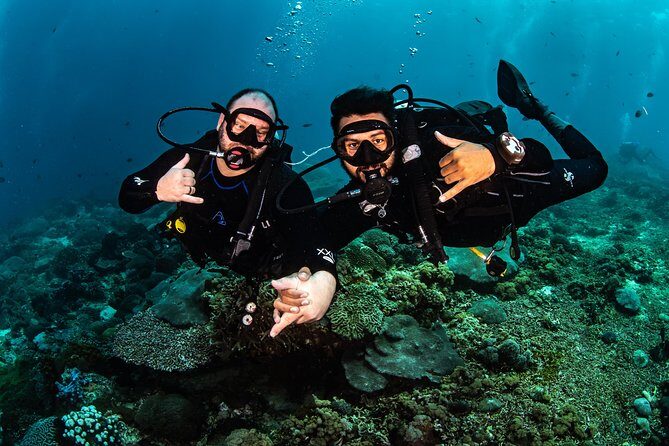
The price is $151.01 per person for an approx 2-day course. That’s not a budget “try it once” snorkeling price, but scuba training has real costs: gear, instructor time, and boat time for open-water sessions.
Here’s what makes it feel like decent value:
- most essential gear is included (not just a “you bring your own mask” situation)
- you get certified instructor support
- there’s structured practice in a pool before going open-water
- the schedule includes two underwater sessions rather than just one short try
There’s also an important possible extra cost: an additional 300,000 Rp/person to reach Manta Point. That fee is specifically called out, so don’t ignore it. If you’re budgeting, add it in from day one.
Photos/videos are another add-on. Digital souvenirs are available to purchase but not included. If you want underwater clips, decide ahead of time if you’ll pay for them. It’s the kind of cost that creeps up because the footage is genuinely tempting.
Overall: if your goal is a real beginner course with serious instructor attention and a strong chance at Manta Point, this price can make sense. If you’re only looking for casual scenery and you don’t care about learning fundamentals, you might compare cheaper options. But for first-time scuba, the structure is the selling point.
Who should book this (and who might want to reconsider)
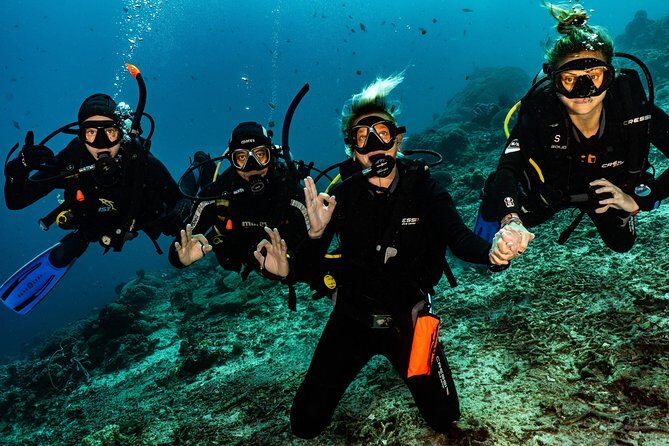
This course has a minimum age of 10. It’s also aimed at people with moderate physical fitness. If you can handle basic mobility in a wet environment and you’re comfortable with being in the water with a safety-first routine, you’re probably a match.
It’s also a good fit for anxious beginners—based on past experiences where instructors helped students who felt panic underwater. One person even described being a traumatized swimmer who had to face fear and finish the program. That tells me the teaching approach can be supportive rather than intimidating.
That said, I’d think carefully if:
- you know you can’t manage fear at all, even with coaching
- you have strong claustrophobia with gear on
- you’re expecting a totally casual, no-instruction outing
This is training. You’ll be breathing underwater, learning skills, and following guidance. That’s the point. It just shouldn’t surprise you.
Should you book 2 Days Discover Scuba Diving in Nusa Lembongan?
I’d book it if your dream is to breathe underwater and you want a course that takes the fear seriously. The staged Day 1 pool work, the limited max depth of 12 meters, and the close instructor support all point to a beginner-friendly experience that still gives you real underwater time. Add the chance for mantas at Manta Point, and you’ve got a high-meaning trip, not just a tick-the-box activity.
I would hesitate if you’re extremely gear-sensitive and worried about equipment condition, because there’s at least one hint that some gear may look a bit worn. The fix is simple: check your equipment early and speak up if something feels wrong.
If you like wildlife and want learning plus wonder in one package, this course is a strong choice for Nusa Lembongan.
FAQ
What depth will I reach during this scuba initiation?
The course has a maximum depth of 40 feet (12 meters).
What happens on Day 1?
Day 1 includes a short briefing and some pool exercises so you can practice basic skills and learn how to assemble and move with your scuba gear.
What happens on Day 2?
On Day 2, you do two ocean sessions with an instructor close at hand. The program highlights a visit to Manta Point and another session at Crystal Bay, with a rest between them on the boat.
Is all scuba gear included?
Yes. The price includes scuba equipment such as mask, snorkel, fins, buoyancy control jacket (B.C.D.), regulator, and other instruments, plus a wetsuit and weight belt.
Is there an extra fee for Manta Point?
Yes. There is an extra 300,000 Rp/person fee to reach Manta Point.
What if weather is bad or I need to cancel?
This activity requires good weather. If it’s canceled due to poor weather, you’ll be offered a different date or a full refund. You can cancel up to 24 hours in advance for a full refund.