REVIEW · NUSA LEMBONGAN
Try Diving in Nusa Lembongan – Penida. For beginners (with 2 ocean dives)
Book on Viator →Operated by Bali Diving Academy · Bookable on Viator
That first breath underwater changes everything.
This try-scuba course in Nusa Lembongan and Penida is interesting because it combines a 100-percent safety record with very hands-on coaching in a small group. You start with skill building in a pool, then move to two guided underwater sessions where instructors stay close and calm, which matters a lot when you’re new.
You’ll like the pool session setup, since it helps you practice basic control before you hit open water. The only real drawback: early confidence can vary. One past participant felt an instructor ran out of patience after the first few minutes, so if you need extra reassurance, keep asking for it right away and speak up during training.
In This Review
- Key highlights to know before you go
- Where Nusa Lembongan and Penida fit on a beginner trip
- The 8-hour schedule: pool prep, two ocean sessions, then done
- A practical note on timing
- The underwater areas you may visit (and what that means for sightings)
- Gear, hydration, and the stuff that keeps you confident
- Beginner-friendly coaching style
- Safety record and responsible habits (what it means on the water)
- If you get nervous
- Price and value: what $125 buys you (and why it can be fair)
- How to get the most out of your two beginner ocean sessions
- Who should book this Try-Scuba course in Nusa Lembongan
- Should you book this Nusa Lembongan–Penida beginner course?
- FAQ
- Is this experience for absolute beginners?
- How many ocean sessions are included?
- What does the schedule look like?
- Do I need to bring scuba gear?
- What’s included for food and drinks?
- Where does the tour start and end?
- How many people are in the group?
- What physical condition do I need?
- What happens if the experience is canceled due to weather?
- Is cancellation free, and how far in advance can I cancel?
Key highlights to know before you go
- 100-percent safety record: the company builds this course around careful coaching and responsible routines.
- Small-group focus (max 8): you get closer attention than on big cattle-car boats.
- Pool practice first: you learn breathing control and basic skills before you go into the ocean.
- Two guided underwater sessions: beginner-friendly pacing, with an instructor nearby.
- Manta and mola season timing: July–October is the best window for mola molas; manta rays can show up most months depending on conditions.
- Real comfort on the boat: lunch box, water, and hot drinks during the long surface interval.
Where Nusa Lembongan and Penida fit on a beginner trip
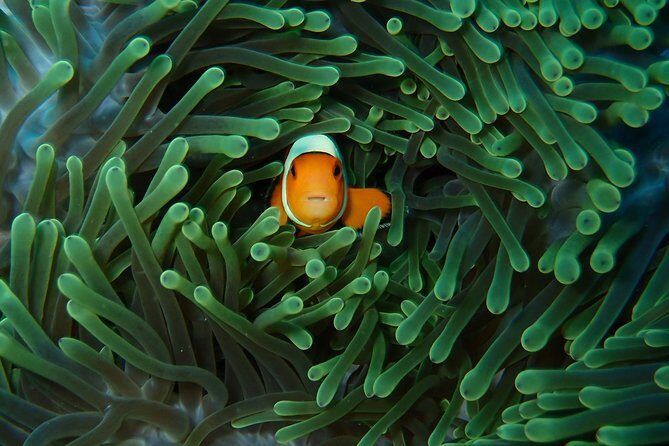
I’d call Nusa Lembongan and Nusa Penida one of the easiest “wow” places in Bali for first-timers. You’re close to world-famous underwater spots, but you’re not expected to be an advanced diver. The course is designed for absolute beginners, with an instructor-led path that starts with basics and then ramps up slowly.
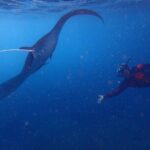
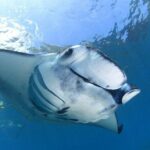
What makes this area worth the effort is the mix of marine life and clear-water chances. Manta rays are possible year-round, though you won’t get a guaranteed sighting. If you’re traveling in July to October, you have a strong shot at mola molas, which is why this region gets so much attention from divers.
You can also read our reviews of more scuba diving tours in Nusa Lembongan
The 8-hour schedule: pool prep, two ocean sessions, then done
This is built to feel structured, not chaotic. Expect about 8 hours total, starting at 8:00 am.
- 08:00 am: meet and get sorted
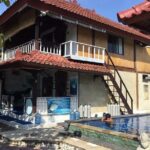
You meet at the dive shop in Jungut Batu for paperwork and to pick up provided gear. This is also when you’ll get your first briefing on how the day flows.
- Pool practice (before the first ocean session)
You’ll do a pool session to learn how to breathe underwater, plus basic control and positioning. The goal is simple: get you comfortable so you can focus on skills instead of panic.
- 10:00 am: 1st ocean session
After you’re trained, you head out for the first guided underwater experience. This is when you’ll put what you practiced in the pool into real-water conditions.
- Surface interval: tea, coffee, and lunch
You get about 1 hour on the surface with hot drinks and a choice of lunch box. This break matters. It keeps your energy up and makes your second session safer and calmer.
- 2nd ocean session
Then you go again with the same beginner-focused approach: instructor close by, guided pace, and a focus on staying relaxed.
- 03:00–03:30 pm: return to the shop
The day wraps up and you’re back in Jungut Batu.
A practical note on timing
That long surface interval is part of the value. Many “try” programs try to squeeze everything into too little rest. Here, you get a food-and-warm-drink break, which helps if you run cold easily or get hungry fast.
The underwater areas you may visit (and what that means for sightings)
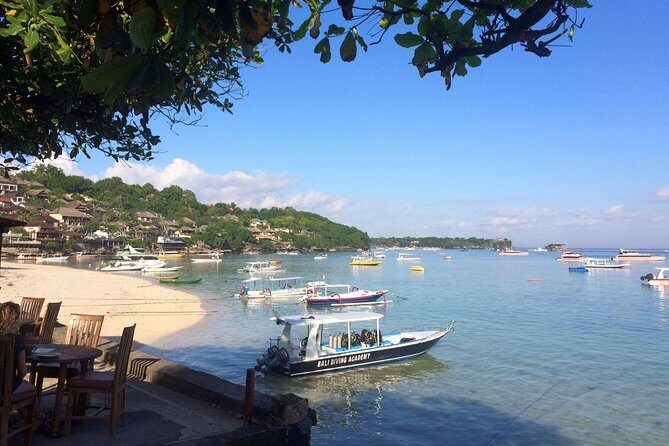
Around Nusa Lembongan and Penida, there are 12 well-known underwater areas the team can use. The company lists a set of popular ones, including Manta Bay, Crystal Bay, Gamat Bay, Toya Pakeh, and Sental.
You should think of these locations as “target zones,” not promises. For example:
- If conditions and the specific site line up, you might see manta rays.
- If you travel during the mola molas season (July–October) and weather cooperates, your odds improve for spotting mola molas.
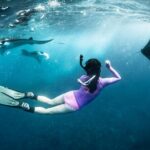
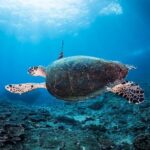
Even when you don’t see the headline animals, the water and reef scenery are usually the payoff. The program mentions clear waters and healthy coral reefs, and the best moments in a beginner course often come from slow watching: shapes passing overhead, schools of fish moving calmly, and you getting the hang of buoyancy.
Gear, hydration, and the stuff that keeps you confident
This course is built around reducing friction. You don’t need to pack your own kit. Everything you need is provided, which saves you the time and hassle of renting gear across islands.
On the boat, you also get:
- Water
- Hot drinks
- A local lunch box during the surface interval
That sounds small until you’re in saltwater all morning. Staying hydrated and not running on fumes is one of the best ways to keep your breathing steady. When you feel better, the whole experience goes better.

Beginner-friendly coaching style
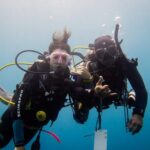
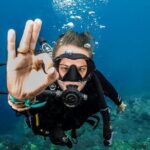
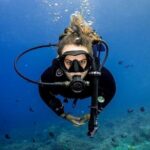
The setup is meant for people with no prior skill. You’ll start with training fundamentals, then continue with two guided sessions where your instructor stays close. If you’ve ever tried an activity where instructors only explain at the start and then disappear, you’ll appreciate this format.
Safety record and responsible habits (what it means on the water)
The headline promise here is a 100-percent safety record. That’s not just marketing noise for a beginner program. When you’re learning control and buoyancy, small mistakes can happen fast—so the real value is the coaching and procedures that help prevent them.
There’s also a strong emphasis on not causing negative effects on marine life and coral. In practical terms, you want an instructor who teaches you how to move slowly, keep distance, and avoid touching anything. That kind of guidance improves your odds of a calm experience and helps protect the underwater environment you came to see.
If you get nervous
A beginner’s biggest enemy isn’t the ocean. It’s panic. One earlier participant’s experience included a moment where they felt the instructor was less patient after only a few minutes underwater while they tried to build confidence. That doesn’t mean the course is unsafe or unreliable. It just means you should manage your own end of the bargain:
- Speak up immediately if you’re struggling.
- Ask for simpler instructions during training.
- Focus on breathing control, not performance.
In a small group, the instructor should be able to adjust quickly when you communicate.
Price and value: what $125 buys you (and why it can be fair)
At $125 per person, this is priced like a serious full-day activity, not a quick marketing demo. Here’s what you’re getting for your money based on the program structure:
- A pool session to build skills before the open water
- Two guided ocean sessions
- Gear provided for you
- Lunch box plus water and hot drinks
- A small group cap of up to 8 people, which typically means more hands-on attention
- A company safety promise and responsible approach
For beginners, the value usually comes down to one thing: coaching time. If you’re paying for “time in the water,” the instruction has to be good, otherwise you waste the day stressed and underprepared. This course is built to reduce that risk with training first.
You’ll also see group discounts mentioned, which can help if you’re booking as a duo or small set of friends.
How to get the most out of your two beginner ocean sessions
This is where you can tip the experience from okay to genuinely satisfying.
First, treat the pool session like the real event. That’s where you’ll learn breathing rhythm and body positioning. If you rush the pool practice, the ocean sessions feel harder than they need to be.
Second, plan to move slow underwater. In beginner courses, the people who calm down fastest usually do two things:
- They follow the instructor’s pace.
- They stop trying to control everything at once and focus on one skill at a time.
Third, don’t fixate on one animal. The program talks about manta rays and mola molas, but sightings depend on site and daily conditions. Instead of chasing a list, look for what’s around you: coral health, fish behavior, and the simple thrill of neutral-feeling movement.
Who should book this Try-Scuba course in Nusa Lembongan
This fits best if you:
- Are truly new to scuba and want structured training
- Prefer a small group rather than feeling lost in a crowd
- Want a full-day program with breaks and included food
- Plan your timing around manta rays or the mola molas season window
You should think twice if:
- You know you need very patient, supportive coaching and you tend to shut down when nervous
- You’re not able to meet moderate physical fitness expectations
- Weather on your travel dates is uncertain, since the experience requires good conditions
Good news: there’s a safety record promise, and the course format is designed for first-timers. Still, your comfort level is personal, so bring your expectations into the session early.
Should you book this Nusa Lembongan–Penida beginner course?
If you want a beginner scuba experience that feels organized—pool first, then two guided ocean sessions, with lunch and hot drinks on board—this is an easy choice to consider. The small-group cap and the safety-first approach are the two big reasons it holds up as value.
Book it especially if your dates fall in July–October and you’d love a real chance at mola molas. If your main goal is manta rays, know they’re possible year-round but not guaranteed, so go with a flexible mindset.
If you’re anxious about skills, do yourself a favor: arrive ready to ask questions during the pool training and be honest about what you’re feeling. That communication usually makes the whole day better.
FAQ
Is this experience for absolute beginners?
Yes. The course is designed for beginners with no prior skill needed. You start with a pool session to learn basics, then you do two guided ocean sessions with an experienced instructor close by.
How many ocean sessions are included?
You’ll do two guided ocean sessions as part of the program.
What does the schedule look like?
You meet at 8:00 am for paperwork and gear, then do a pool session. The schedule continues with the first ocean session at 10:00 am, includes about a 1-hour surface interval with tea, coffee, and lunch box, and then the second ocean session. You return at 03:00–03:30 pm.
Do I need to bring scuba gear?
No. The program provides the equipment you need, so you don’t have to pack your own kit.
What’s included for food and drinks?
During the surface interval you’ll get hot drinks and a choice of lunch box, plus water on the boat.
Where does the tour start and end?
It starts at the dive shop meeting point in Jungut Batu, and it ends back at the same meeting point.
How many people are in the group?
The experience has a maximum of 8 travelers, so instruction can stay personal.
What physical condition do I need?
You should have a moderate physical fitness level.
What happens if the experience is canceled due to weather?
The activity requires good weather. If it’s canceled because of poor weather, you’ll be offered a different date or a full refund.
Is cancellation free, and how far in advance can I cancel?
Free cancellation is available. You can cancel up to 24 hours in advance for a full refund. If you cancel less than 24 hours before the start time, the amount paid isn’t refunded.