REVIEW · NUSA LEMBONGAN
Snorkeling Trips with Manta Ray from Nusa Lembongan
Book on Viator →Operated by Bali Panoramic · Bookable on Viator
That mantas are even on the menu makes this one fun. This snorkeling trip from Nusa Lembongan is built for mixed groups, with gear and safety support that help first-timers get comfortable fast. I like that you get a true 3-stop outing (not a rushed single swim), and I also like that you’ll bring home underwater photos and videos showing you in action.
One thing to keep in mind: conditions around manta areas can be rough, and sightings aren’t guaranteed. On bigger swell days, the team may steer you to safer snorkeling spots instead—still worth it, but plan mentally for nature to call the shots.
In This Review
- Key things I’d circle before booking
- Entering The Trip: Yellow Bridge pickup and how the day flows
- Price and value: what $23 buys you on the water
- Stop 1: The Manta Bay swim and the swell reality check
- Stop 2 at Toya Pakeh Wall: the fish-and-barnacle show
- Stop 3: Mangrove Point on Lembongan for calmer variety
- Safety and non-swimmers: how the trip supports beginners
- What you’ll actually take home: photos, videos, and rinse-off convenience
- Manta-ray expectations: the honest odds and how to stay happy anyway
- Timing, choppy water, and avoiding sea-sickness misery
- Who this trip is perfect for (and who should think twice)
- Should you book this manta-ray snorkeling trip from Nusa Lembongan?
- FAQ
- How long is the snorkeling trip?
- Is pickup included?
- What equipment is provided?
- Do I need to know how to swim?
- Are manta rays guaranteed?
- What snorkeling locations are included?
- What marine life might I see?
- Is there a place to rinse and change after the trip?
- What if the trip is canceled due to weather?
Key things I’d circle before booking

- Beginner-friendly water support with life vests, life rings, and rope if needed
- Three snorkeling stops so you’re not stuck waiting for one moment
- Manta viewing depends on conditions, and the itinerary can shift for safety
- Towel, shower, and lockers so you can rinse off without scrambling for extras
- Underwater photos/videos included (bring your best grin gear)
- Small group cap of 20 keeps the water time more manageable
Entering The Trip: Yellow Bridge pickup and how the day flows
This trip starts around Nusa Lembongan’s snorkeling hub and runs about 3 to 4 hours total. You’ll have a free pickup and drop service from Lembongan hotels, and the pickup option is tied to the Yellow Bridge meeting point.
If you’re staying on Nusa Ceningan, you’ll meet at Yellow Bridge at 09:30 am. The provider says they’ll reach out by email or WhatsApp one day before, so make sure your contact info is correct when you book.
The listed start point is at Lagoon Bliss Captain Good, on the Jungutbatu side (Nusa Penida area address is shown). In practice, your driver guide will get you to the right staging area; your job is to show up with sensible shoes and sunscreen, because you’ll likely be walking a bit before you’re in the water.
If you want the easiest day possible, pack with one goal: reduce hassle between stops. You’ll be changing and rinsing afterward, but you still want a smooth transition while you’re waiting around.
You can also read our reviews of more snorkeling tours in Nusa Lembongan
Price and value: what $23 buys you on the water
At $23 per person, what makes this feel like good value is the bundle. You’re paying for a guided 3-point snorkeling program plus the basics that many cheaper trips leave to you.
Included items:
- Snorkeling equipment: mask, snorkel, fins
- Safety gear: life vest and life rings (rope can be provided if needed)
- Welcome drink
- Towel, shower, and locker access after snorkeling
- Snorkeling photos and videos
- Insurance coverage
- A briefing and snorkeling guide support
The best “value” detail here is the safety kit. When you’re new to snorkeling—or you’re not 100% sure about being comfortable in open water—having proper floatation and a guide working with you matters more than an extra fish species on a brochure.
Also, the small group size (maximum 20) can change how long you spend waiting and how easily you can get guidance in the water.
Stop 1: The Manta Bay swim and the swell reality check
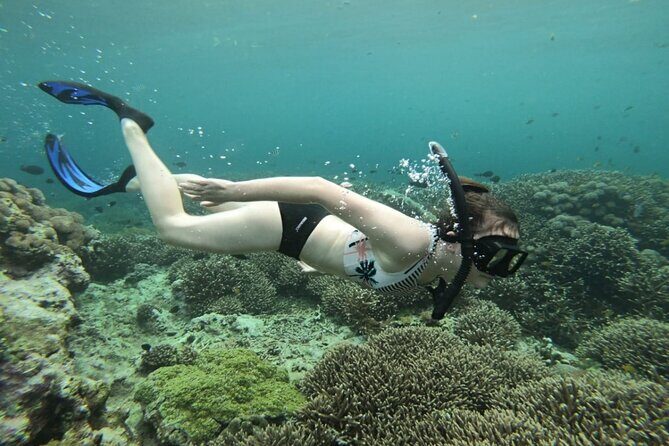
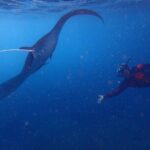
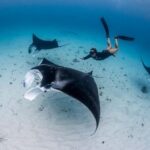
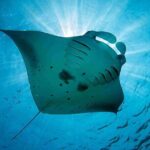
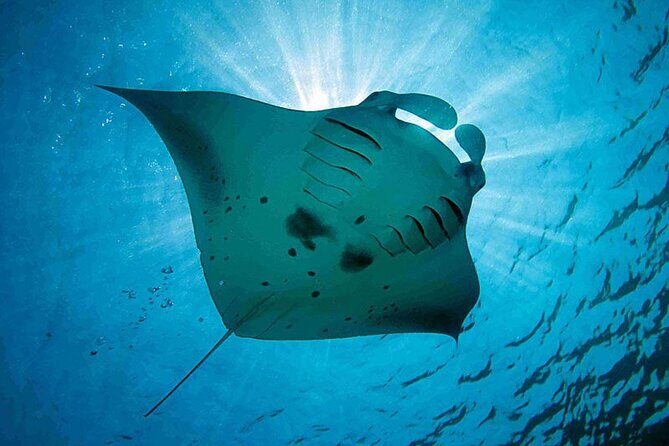
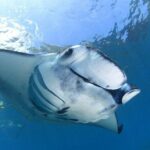
Your first stop is The Manta Point / Manta Bay. The pitch is simple: you’re in the right zone for a chance at manta rays, and you’ll often see their fins pop up between the waves created by swell.
Here’s the honest part: manta sightings are not guaranteed. The provider is clear that mantas are in their natural habitat, and their presence varies with environmental factors.
What I like about this first stop, even on days when mantas don’t show, is the way it’s paced. You’re not spending the whole time hoping. You’ll get a full hour of snorkeling, and the day is designed with other biodiversity stops built in.
Drawback to plan for: this area can be choppy. One review noted the first stop felt hectic, and the team worked to keep the group together. That’s a good sign—just don’t assume it will feel like a calm pond. Come ready for a more energetic sea state.
Tip that helps: keep your expectations flexible. If you come with a “must see mantas” mindset, you may feel let down. If you come with a “I’ll enjoy the ocean either way” mindset, the day stays fun.
Stop 2 at Toya Pakeh Wall: the fish-and-barnacle show
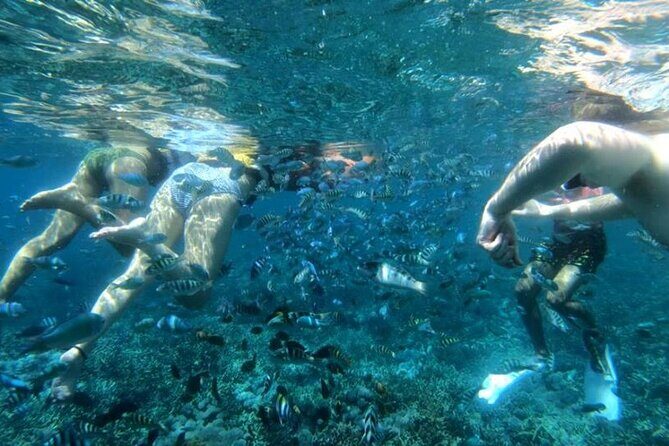
The second stop is Toya Pakeh, described as a place where you can see a lot—big animals and plenty of smaller life. You’ll snorkel here for about 1 hour.
The species list included is the kind that makes photographers smile:
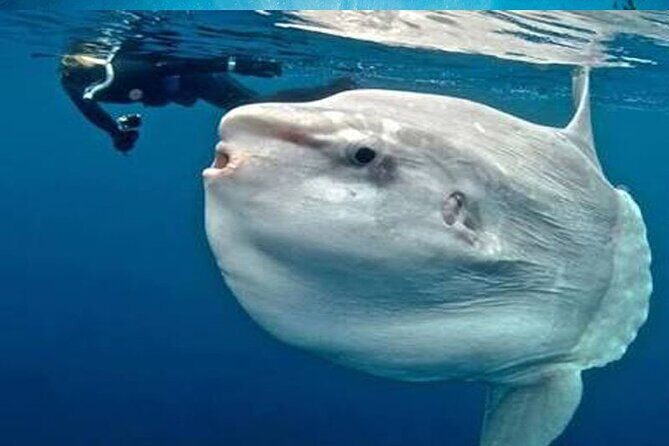
- Mola mola
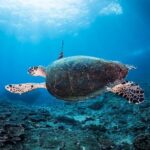
- Turtles
- Scorpion fish and stone fish
- Angel fish and clown fish
- Sea snakes
- Nudibranchs
- Bat fish and barracuda
Is it a guarantee? No—visibility and animal movement always vary—but you’re going to this stop because it’s known for variety, and the program treats this as a key underwater highlight.
Practical note: “lots to see” can also mean busy water. When multiple boats and swimmers are in a similar area, you need to slow down and focus on buoyancy and breathing. If you’re using a life vest and life ring, keep your movements smooth so you don’t get kicked by passing fins.
If you’re bringing a camera, this is the stop where you’ll get the most opportunities to test your settings. Also, consider keeping your lens covered between moments. Salt spray and rushed handling are how people lose gear.
Stop 3: Mangrove Point on Lembongan for calmer variety
The final stop is Mangrove Point on Nusa Lembongan. This is a different vibe than open-water manta areas. Mangroves tend to mean shelter, and that can translate into a steady parade of small-to-medium marine life.
You’ll snorkel here for about 1 hour, and the listed highlights include:
- Giant puffers
- Scorpion fish
- Angel fish and clown fish
- Box fish
- Nudibranchs
- Moray eels
- Nurse sharks
- Turtles
This stop matters for two reasons. First, it increases your odds of seeing something cool even if the mantas don’t cooperate. Second, it often feels more manageable after the earlier swells and boat time.
If you’re traveling with someone who worries about comfort in the ocean, the mangrove stop can be a confidence builder. You still need to stay aware, but the environment tends to support easier snorkeling than the big-wave manta zones.
Safety and non-swimmers: how the trip supports beginners
This tour explicitly positions itself as beginner-friendly. It says non-swimmers can snorkel because:
- safety equipment is provided (life vests, life rings, and rope if needed)
- the guide is used to working with non-swimmers, the elderly, and children
- there’s guidance in the water, not just a lecture from above
I also like the “don’t worry about packing your mask” angle. They provide masks, snorkel, and fins. That removes one of the biggest travel hassles: arriving with the wrong size mask and spending your first hour underwater fighting leaks.
That said, here’s the balanced truth from the experience pattern: sea conditions can make any snorkeling tour feel harder. One person felt the snorkeling wasn’t communicated well for true beginners and mentioned swimbost safety gear wasn’t offered. Meanwhile, others said life jackets were available and staff were vigilant as boats charged through swells.
So for you, the best move is to ask at check-in how they handle comfort for non-swimmers—especially if you’re anxious. If you want peace of mind, request the floatation setup you’re most comfortable with, and keep your expectations matched to ocean conditions.
What you’ll actually take home: photos, videos, and rinse-off convenience
Many snorkeling trips are forgettable once you’re back on land. This one gives you a better memory trail.
Included:
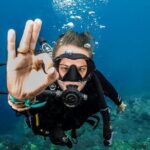
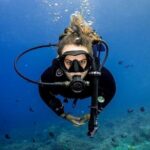
- snorkeling photos and videos showing you underwater
- showers, lockers, and towels afterward
That combo is a big deal in Indonesia, where a saltwater day can leave you feeling gritty fast. The showers and lockers mean you can change without doing a full scramble at your hotel. It also helps if you plan to eat afterward or keep exploring the island.
Also bring a phone or camera for above-water moments, because your included media might not cover everything. The program includes photos/videos, but you can still capture that “we did it” boat moment before the rinse and reset.
Manta-ray expectations: the honest odds and how to stay happy anyway
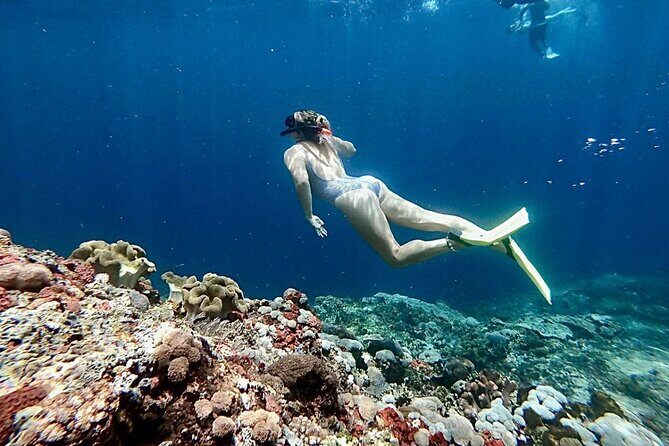
Manta rays are the headline, but the day is designed to keep you from going home with zero payoff.
Here’s how the trip frames it:
- you snorkel at the manta area first
- the chance is higher at the manta site, but not guaranteed
- conditions can force safety changes, and the itinerary may shift to other snorkeling stops
I’d treat this like a weather-and-wildlife partnership. When the swell is right and visibility cooperates, mantas can show up in a way that feels almost unfair in the best way—fins, glides, and that unmistakable presence.
When conditions are too risky, you’ll still get 3 snorkeling points and underwater variety. One key review pattern was that on a rough day, mantas didn’t show and the group snorkeled other spots instead. The disappointment was real, but the day stayed safe and still full of fish life.
So my advice: if mantas are your #1 dream, go early in your trip and keep a flexible schedule. If you can’t, don’t let that stop you—just remember you’re buying a guided marine experience, not a guaranteed animal encounter.
Timing, choppy water, and avoiding sea-sickness misery
The total time is 3 to 4 hours, and you’ll spend about one hour per stop. That’s a good rhythm: enough water time to enjoy, not so long that you’ll freeze or tire out.
But the ocean can be choppy. At least one review mentioned sea sickness from choppy conditions. If you’re even slightly prone to it, plan ahead.
Practical moves that help:
- wear a comfortable rash guard or clothing you don’t mind getting wet
- keep sunscreen on, even on cloudy days
- bring a change of clothes in a bag you can close well
- consider small snacks and water before pickup if you tolerate it
Also, don’t underestimate how much swells affect your snorkeling confidence. It’s not just about breathing; it’s about staying relaxed while the boat time and water movement do their thing.
Who this trip is perfect for (and who should think twice)
This is a great fit for you if:
- you want beginner support and don’t want to guess your way through snorkeling
- you want three different underwater stops in one morning/half-day
- you care about safety gear and guided control
- you want photos/videos without paying extra
It might be less ideal if:
- you’re extremely seasick-prone and can’t tolerate boat rides through swells
- you need ultra-calm water at all times
- you expect mantas as a sure thing (they’re wildlife, not a show)
That’s not a deal-breaker. It just means you’ll enjoy the day more if you pack flexibility into your plan.
Should you book this manta-ray snorkeling trip from Nusa Lembongan?
I’d book it if you want the best chance at manta rays plus a strong backup plan. The value is in the full package: safety gear, 3-stop snorkeling, and underwater photos/videos, capped at a group size that won’t feel like a floating crowd.
If you’re on a tight schedule, or if manta rays are your top obsession, book with a calm mindset: nature decides what you see that day. On rougher days, the team still gives you a complete snorkeling outing at other points, so you’re not left with wasted time.
Bottom line: this is a solid, beginner-friendly way to experience Nusa Lembongan’s marine world while chasing mantas—without needing to be a seasoned snorkeler.
FAQ
How long is the snorkeling trip?
The trip runs about 3 to 4 hours total, with around 1 hour at each of the 3 snorkeling stops.
Is pickup included?
Yes. There’s a free pick up & drop service from hotel on Lembongan Island (with Yellow Bridge noted). If you stay on Nusa Ceningan, you meet at Yellow Bridge at 09.30 am.
What equipment is provided?
You get snorkeling equipment including masks, snorkel, and fins, plus safety gear like a life vest and life ring (and rope if needed).
Do I need to know how to swim?
No. The tour says non-swimmers can snorkel with safety equipment and guide support.
Are manta rays guaranteed?
No. The tour says manta sightings are not guaranteed, since mantas are in their natural habitat and their presence depends on environmental factors.
What snorkeling locations are included?
You’ll visit three stops: a manta site (Manta Bay / Manta Point), Toya Pakeh Wall, and Mangrove Point on Nusa Lembongan.
What marine life might I see?
The provided details list possibilities like mola mola, turtles, scorpion fish, stone fish, angel fish, clown fish, sea snakes, nudibranchs, barracuda, and at Mangrove Point also moray eels, nurse sharks, and puffers.
Is there a place to rinse and change after the trip?
Yes. The tour includes towel, shower, and lockers, so you can wash and change after snorkeling.
What if the trip is canceled due to weather?
This experience requires good weather. If it’s canceled due to poor weather, you’ll be offered a different date or a full refund.