REVIEW · UBUD
Make Your Own Bali Silver Jewelry Class with Balinese Family
Book on Viator →Operated by Taro Village Experience · Bookable on Viator
Making silver jewelry in Ubud is a lot more hands-on than you’d expect. This class takes place in Delodsema Traditional Village (north of Ubud), a place where silver smithing is a daily craft and a major part of local income. I like that you’re working with take-home results from start to finish, and I also like the small-scale feel: a maximum group size of 8 people, with local teachers guiding the process. The one thing to consider is that the instruction is active and close—if you want totally hands-off time to figure things out alone, you might feel a bit managed.
You’ll spend about 2 hours learning beginner basics and making one item per person (like a ring, bracelet, earrings, or a lion). It’s not just watching someone else work; you’re shaping the piece, handling the steps (like burning, cutting, cleaning, and finishing), and walking away with something meaningful you made yourself.
In This Review
- Key things that make this class worth your time
- Entering Delodsema: why this Bali silver class feels different
- Price and value: what $45 buys you (and what costs extra)
- What you can make in the class (ring, bracelet, lion, earrings)
- The two-hour flow: from choosing a design to finishing a piece
- 1) Pick your design and customize it
- 2) Learn the beginner basics with guidance
- 3) Make your one take-home item
- Who teaches you: local support and friendly, practical help
- Getting the details right: materials rules and how to plan for upgrades
- What it’s like to work with a small group (maximum 8)
- The cultural angle: why this craft workshop matters in practice
- Practical tips so you get the results you want
- Who should book this Bali silver jewelry class in Ubud
- Should you book the Make-Your-Own Bali Silver Jewelry Class?
- FAQ
- How long is the Bali silver jewelry class in Ubud?
- What can I make during the class?
- Is the price $45 per person?
- How much silver is included, and what happens if I want more?
- Do I need cash for gemstones or extra silver?
- Can I bring my own silver or gemstones materials?
- Where do I meet for the class?
Key things that make this class worth your time
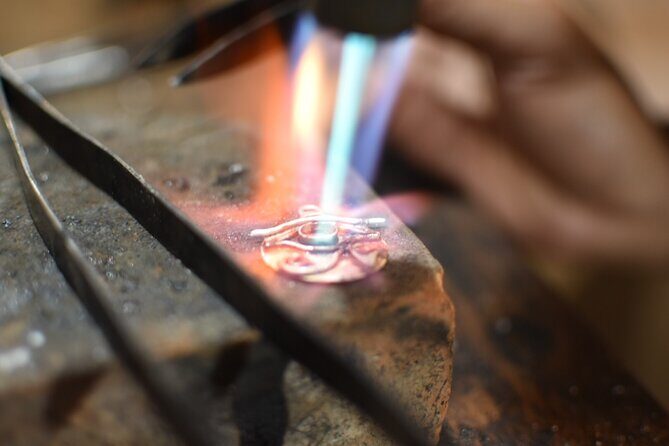
- Delodsema Traditional Village setting: a real silver community, not a showroom stop.
- One item per person, with your own design: choose a piece and customize it during the class.
- Beginner-friendly process: you learn the basic steps from materials prep through finishing.
- Local teachers with local benefits: income supports people in the village.
- Clear limits on materials: silver max 4 grams included, with straightforward upgrade options.
Entering Delodsema: why this Bali silver class feels different
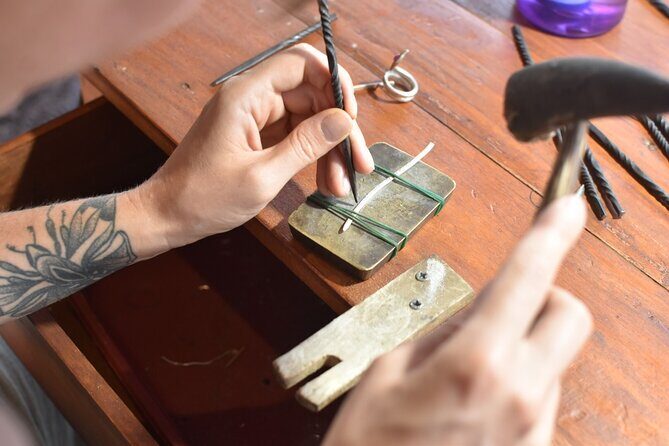
Ubud has no shortage of activities, but this one stands out because it starts in a village, not a studio built for tourists. The workshop is based at Delodsema Traditional Village, north of Ubud, where the craft is part of everyday life. The organizers explain that silver smithing drives a large share of the village’s economy, and that only makes sense when you see how people talk about the work: it’s practical, serious, and pride-driven.
I also like the scale. This village has about 60 families, and the class caps at 8 people. That matters because you can actually ask questions, get help when you need it, and avoid the feeling that you’re one of many in a production line.
You can also read our reviews of more tours and experiences in Ubud
Price and value: what $45 buys you (and what costs extra)
The price is $45 per person, and it includes several things that help the class feel complete instead of “nickel-and-dimed.” You get coffee and/or tea, bottled water, an experienced teacher, and the materials allowance: silver up to 4 grams. Plus, one person makes one item design.
Here’s how to think about value. If you’re trying to buy a finished silver piece in Ubud, you’ll pay for craftsmanship and retail markup. This class gives you labor + a guided learning experience, and it lets you take home a personal creation. The silver limit is the key detail: if you want more silver than 4 grams, you’ll pay IDR 100K per extra gram. If you want gemstones, there’s an extra cost too, ranging from IDR 100K to IDR 500K depending on what you choose.
So the smart move is simple: decide early whether you want to keep it classic (within 4 grams, no gemstones) or go for upgrades. If you stay within the included materials, you’re likely to feel good about the overall cost.
What you can make in the class (ring, bracelet, lion, earrings)
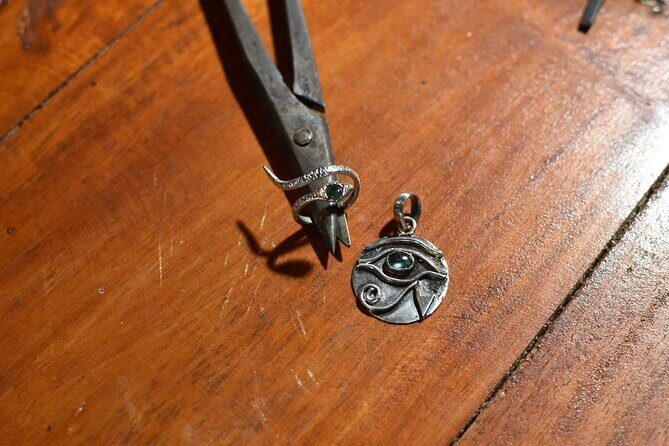
You’ll choose what you want to create from the options provided: ring, bracelet, lion, and earrings. The process is built for beginners, so you’re not expected to already know how to measure, cut, or finish metal work.
One important detail: they’ll provide silver only up to the max weight. They also note that you can’t share silver rations with other people, and you aren’t allowed to bring your own silver or gemstones from outside. That keeps everything fair and keeps you from running into confusion about “whose materials are whose.”
The two-hour flow: from choosing a design to finishing a piece
The workshop runs about 2 hours. Exact timing can vary a bit, but the class is organized around the steps of making silver jewelry rather than a long lecture. You’ll start by looking at sample jewelry and then choosing your design.
1) Pick your design and customize it
You’ll see examples of jewelry, and you can tell the teacher what you want your piece to look like. If you already have an idea (even a rough one), they’ll help you during the project. This is a good setup for people who like making something personal instead of following a fixed template.
In practice, customization matters because it changes your choices early on—like the style of a ring or the shape you want for earrings. You’ll also get into the habits of the workshop (how they work, what steps come next, what to watch out for).




2) Learn the beginner basics with guidance
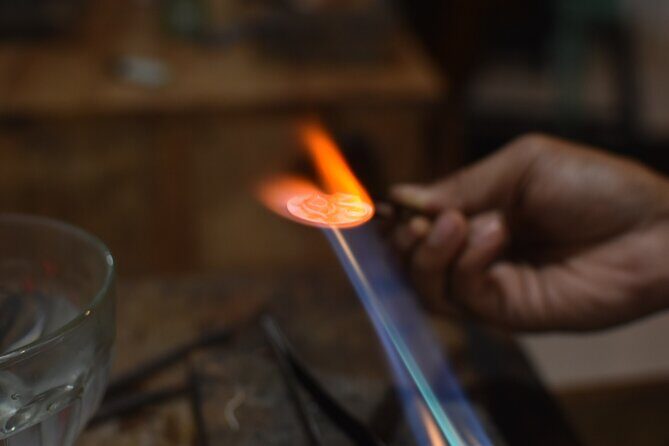
The class is designed to teach the basic way to make silver jewelry. Teachers work with you on the metal work stages, including burning, cutting, cleaning, and finishing. Those steps sound simple on paper, but in metalwork they affect safety, accuracy, and the final look.
This is also where you’ll notice the teaching style. One person found the staff a little too hands-on and would’ve liked more solo control. If you’re the type who wants to try things fully your own way, you might want to communicate your preference early—like asking which tasks you can do yourself first, and which ones you want extra help with.
3) Make your one take-home item
The goal is one completed item. You’ll leave with your own silver creation. That might sound obvious, but it’s a real advantage of doing this in a village workshop with tight group size: the class is built around finishing, not just trying parts of the process.
Who teaches you: local support and friendly, practical help
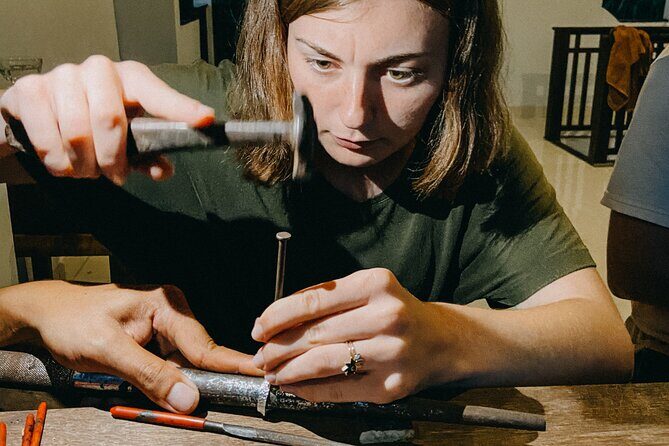
The teachers are local, and the experience is structured so the income from the class supports people in the village. That’s not just a feel-good story; it’s part of the reason they emphasize village involvement and safety while you work.
From the experience, the vibe is friendly and encouraging. I’ve also heard specific names come up: Petro and Angus are described as helpful and fun to work with. Even if you’re nervous at the start, a teacher who can keep the mood light while still staying careful with tools makes a big difference.
Getting the details right: materials rules and how to plan for upgrades
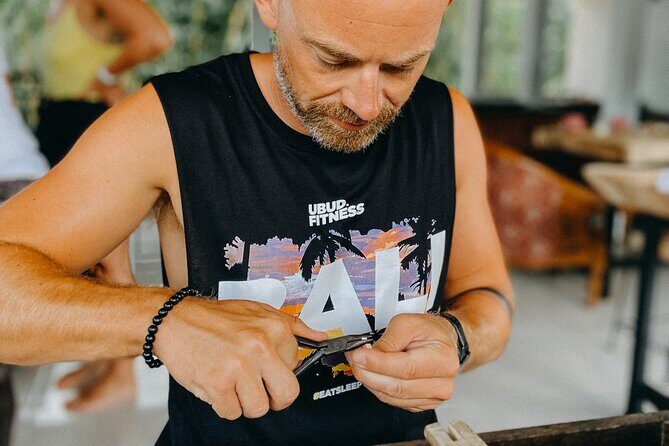
The class includes silver up to 4 grams. If you use more than that, there’s a clear fee: IDR 100K per gram. Gemstones cost extra too, and the range is IDR 100K to IDR 500K, depending on what you choose.
Two rules matter for planning:
- Bring cash if you want to buy gemstones or additional silver. The class specifically asks for cash money for those extras.
- Don’t bring your own silver or gemstones from outside. The workshop keeps materials controlled, and you’ll follow their system.
If your goal is to get the best value, I’d treat the included allowance as the default plan and only upgrade if you’re genuinely excited about a specific look.
What it’s like to work with a small group (maximum 8)
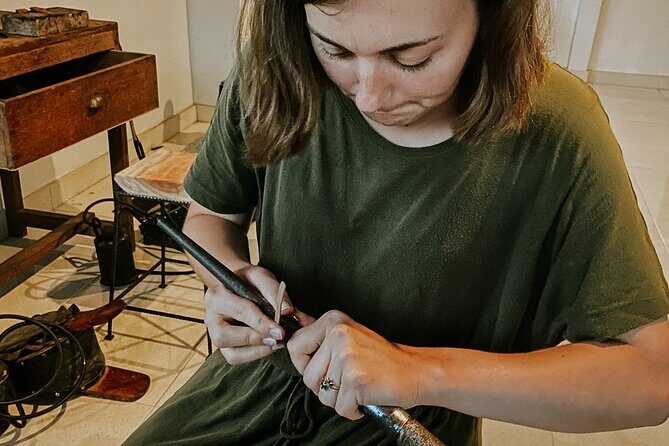
A maximum of 8 people is a quiet luxury. It reduces waiting time and makes it easier for the teacher to watch what you’re doing. You’ll also get a smoother flow because everyone is doing their own one-item project, so there’s less chaos than a bigger class where people share tools and materials.
This group size also makes it easier to get help quickly when you want it. If you’re a total beginner, that’s a big part of what you’re buying: not just the materials, but the feedback.
The cultural angle: why this craft workshop matters in practice
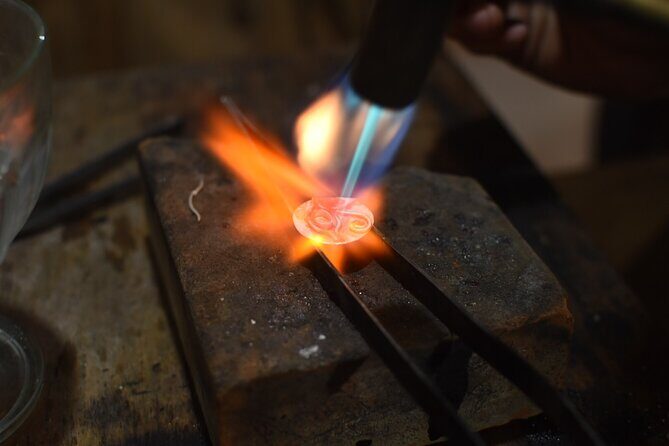
The class isn’t positioned as a performance. It’s a craft lesson grounded in a community where silver smithing affects everyday life. The organizers explain that their company helps local people earn income from their work and promotes what they do to foreigners. That’s the practical version of cultural exchange: work gets paid for, and visitors get a real process instead of a staged demonstration.
You’ll feel that in the way the workshop emphasizes safety and guidance as you handle the steps. It also shows up in how they talk about the teachers as locals, not outside instructors parachuted in for the day.
Practical tips so you get the results you want
If you want your final piece to look like you imagined, here are a few ways to set yourself up for success with the rules they provide.
- Bring a clear idea before you arrive. Even a simple sketch in your phone helps you communicate faster when you’re picking a ring, bracelet, lion, or earrings.
- Decide on upgrades early. If you want gemstones, plan for the extra IDR range and keep some cash ready.
- Ask how much silver you’re expected to use. Since 4 grams is the included max, it’s useful to know what style choices might push you toward extra grams.
- Expect close guidance. If you like to learn by doing, that’s perfect. If you hate being corrected or guided step-by-step, tell the teacher you want more independent trial time.
- Wear clothes you’re okay with. The class involves metalwork steps like cutting/cleaning. You don’t need to dress like a mechanic, but choose something comfortable and forgiving.
Who should book this Bali silver jewelry class in Ubud
This experience is a great fit if you want a hands-on souvenir with actual craft skills behind it. You’ll probably enjoy it most if you:
- like making things rather than only sightseeing
- want a personal item (a ring, earrings, bracelet, or lion) instead of buying one
- care about supporting local makers through the village-based workshop model
It’s less ideal if you:
- hate structured instruction and prefer total DIY freedom
- don’t want to deal with the idea of additional fees if you go beyond the silver weight limit or add gemstones
Should you book the Make-Your-Own Bali Silver Jewelry Class?
I’d book it if you want a meaningful, wearable souvenir and you’re comfortable with learning-by-doing. The workshop’s value comes from three concrete things: one item made by you, a small group size (max 8), and silver materials included up to 4 grams with a clear path for upgrades.
Skip it (or go in with eyes open) if you’re expecting a totally hands-off class. This is guided. It’s designed for beginners, so you’ll get help during the metal stages from burning to finishing, and that’s a plus for most people—but not everyone wants the staff to be that close.
If you’re spending time in Ubud anyway, plan this as your “make something” day. It’s the kind of activity that turns travel photos into a story you can actually wear.
FAQ
How long is the Bali silver jewelry class in Ubud?
The class takes about 2 hours.
What can I make during the class?
You can make one of the following: ring, bracelet, lion, or earrings.
Is the price $45 per person?
Yes. It’s $45 per person, and one person can make one item design.
How much silver is included, and what happens if I want more?
Silver is limited to a maximum of 4 grams included. If you use more silver, you’ll pay an additional fee of IDR 100K per gram.
Do I need cash for gemstones or extra silver?
Yes. If you want to buy gemstones and/or additional silver, they ask you to prepare some cash money. Gemstones cost IDR 100K to IDR 500K (depending on what you choose).
Can I bring my own silver or gemstones materials?
No. You’re not allowed to bring silver and gemstones from outside.
Where do I meet for the class?
The start point is Ubud MK2 Silver Class, Jl. Raya Tegallalang No.Br, Sapat, Kec. Tegallalang, Kabupaten Gianyar, Bali 80561, Indonesia. The activity ends back at the meeting point.