REVIEW · UBUD
Authentic Balinese Cooking Class in Ubud
Book on Viator →Operated by Bali Natural Tours · Bookable on Viator
This is one of those Ubud activities where you learn by doing and the flavors stick in your head. I like that the class runs with a small group size, so you get real attention while you grind, chop, and cook like locals. You’ll start with fresh ingredients you select (and in the morning, you even shop for spices) before you move to the kitchen.
What I especially like is the hands-on focus on signature Balinese methods: lesung (mortar and pestle) for spice pounding, and cooking food in banana leaves. One thing to consider: you’ll spend a chunk of time outdoors (market and farm), so hot sun and weather can affect how comfortable the day feels.
In This Review
- Why this cooking class feels more cultural than just food
- Key highlights worth planning around
- Balinese cooking in Ubud: what this small-group format delivers
- Pickup, timing, and how the 5-hour day flows
- The morning market stop: where your spice choices start
- Inside a local Balinese home: layout, life, and tradition
- The farm portion: harvesting spices and learning what matters
- Cooking techniques: lesung, pounding spices, and banana-leaf flavor
- Menu choices, vegetarian options, and what lunch feels like
- Price and value: what $49 covers and what you might add
- The practical take-home: PDF recipes, utensils, and getting it right later
- Who this class is best for (and who might prefer something else)
- Should you book Authentic Balinese Cooking in Ubud?
- FAQ
- How long is the cooking class in Ubud?
- Is pickup and drop-off included?
- What does the $49 price include?
- Do you visit a traditional market?
- Can I choose a vegetarian menu?
- What is the maximum group size?
- Are there extra fees if I’m staying outside Ubud?
- Do I need to print anything for the tour?
- What happens if the weather is bad?
- Can I cancel and get a full refund?
Why this cooking class feels more cultural than just food
You’ll see how Balinese cooking connects to daily life, not just recipes. The tour includes time at a local house to understand how homes and daily routines are arranged, plus a chance to learn how food and tradition overlap (one group even timed their visit with a family ceremony). If you’re short on time, pick the departure that matches your schedule—there’s more in the morning class than in later departures.
Key highlights worth planning around
- Market spice shopping in the morning adds a lively start and helps you understand what you’re cooking
- A visit to a Balinese home gives context for how people live and how tradition shows up in everyday life
- Farm harvest before class means your ingredients aren’t just fresh—they’re chosen with purpose
- Lesung technique (pestle and mortar) helps you feel the difference between grinding spices and dumping in powders
- Banana-leaf cooking gives you a method you can actually repeat later at home
- Vegetarian and regular menu choices keep the class flexible for your group
You can also read our reviews of more cooking classes in Ubud
Balinese cooking in Ubud: what this small-group format delivers
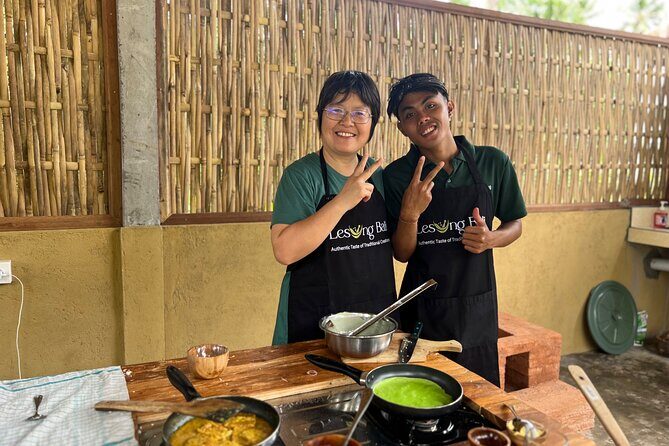
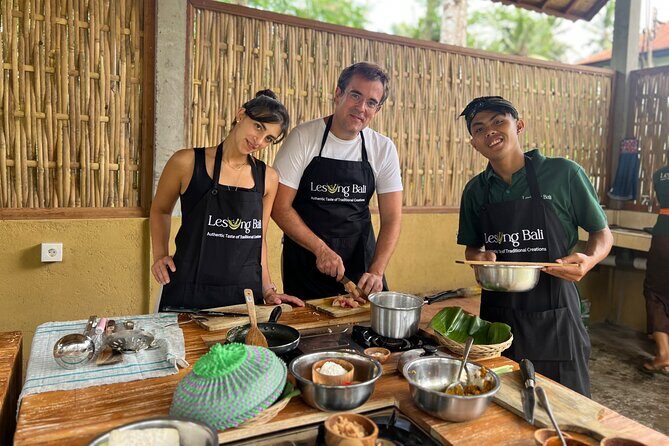
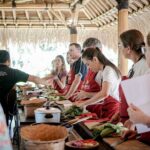
This class is designed so you’re not watching from the sidelines. You’re actively working on spice pastes, prepping ingredients, and following a menu you decide on with the chef’s guidance. With a maximum of 15 travelers, it stays manageable, and questions don’t get lost in a crowd.
In practice, that small-group size changes your experience. You can ask why something is pounded vs chopped, or what balance the chef is aiming for, instead of waiting for a big general explanation. You also spend more time at the stations doing the work, which is the whole point of a cooking class.
Pickup, timing, and how the 5-hour day flows
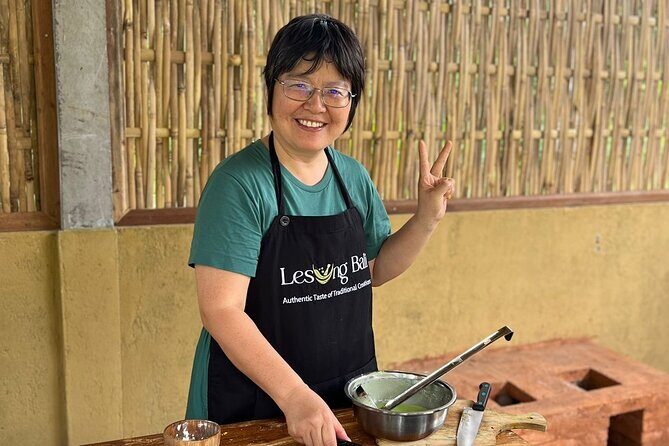
Expect about 5 hours total, starting in your Ubud area with pickup and ending with drop-off back in the same zone. The ride is in an air-conditioned vehicle, and you’ll get a mobile ticket, which is a nice low-friction touch on a day packed with stops.
The day is structured in a clear order: market (morning only), home visit, then farm and cooking. That sequence matters. It builds your understanding from ingredient sourcing to cultural context to cooking technique, so you don’t leave with just a full stomach—you leave with reasons for what you taste.
One small practical note: wear shoes you don’t mind getting a little dusty. You’ll be moving around outdoors during the market and farm parts, and Ubud can go from pleasant to warm quickly.
The morning market stop: where your spice choices start
If you book a morning class, you’ll visit a traditional market and buy spices directly from local vendors. This is more than a photo stop. It’s where you start learning how Balinese flavors are built—what aromatic ingredients are essential, and which ones are used for depth rather than heat.
You’ll also feel the rhythm of the market: people know what they’re selling, and the ingredient variety can surprise you if you’ve only cooked with bottled spice mixes. Even if you can’t take every ingredient home, you can take the “spice logic” home with you—how each part supports the final sauce or paste.
If you’re booking an afternoon slot, skip the market expectations. The market visit is specifically tied to the morning class.
Inside a local Balinese home: layout, life, and tradition
After the market (again, morning class), the tour moves to a local house where you’ll learn about Balinese culture and daily life. You’ll also get a look at how the building is placed and how people think about their living space. That part tends to be memorable because it’s not museum-style. It’s practical—how families function and how tradition shapes routines.
One review story highlighted a visit that lined up with a family ceremony for a baby’s one-month milestone (according to the Balinese calendar). You should treat that as a lucky timing possibility, not a guarantee. Still, it explains why this home visit can feel more authentic than a generic cultural performance: you’re seeing how real events fit into real homes.
If you’re the kind of person who loves context—how food, family, and belief connect—this stop is one of the best parts.
You can also read our reviews of more tours and experiences in Ubud

The farm portion: harvesting spices and learning what matters
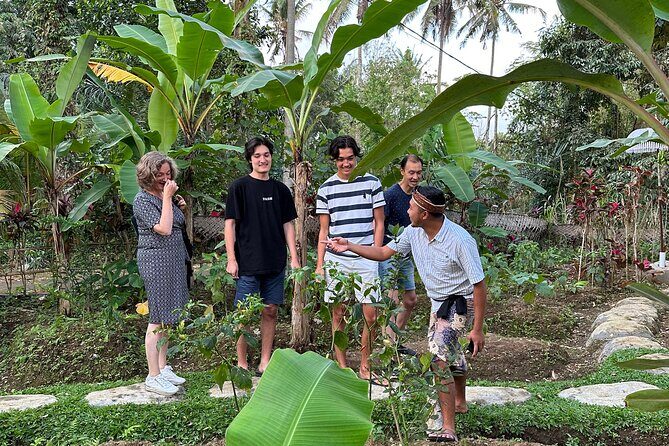
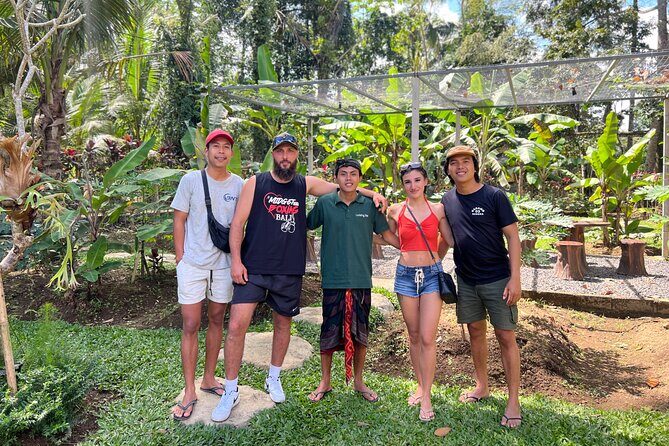
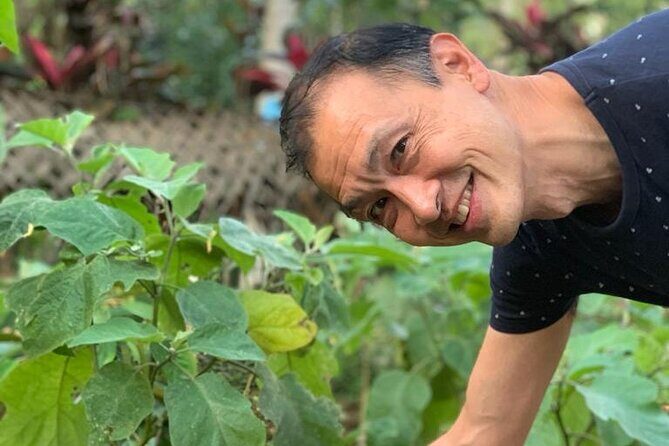
Next comes the farm, where the cooking actually gains meaning. Before you start cooking, you’ll explore the farm and harvest the spices that will be used in the class. This is the moment when ingredients stop being abstract. You see them growing, you handle them, and you understand why freshness matters.
The setting is also the right kind of calm for a cooking day. The class location is on the west side of Ubud, surrounded by green areas and an atmosphere that feels more like countryside than city. It’s a welcome break if your Ubud days are otherwise wall-to-wall temples and traffic.
Then you’ll pick your menu and get ready to cook with what you gathered. That order—choose, harvest, then cook—helps the class feel cohesive.
Cooking techniques: lesung, pounding spices, and banana-leaf flavor
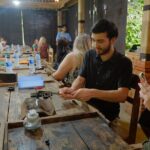
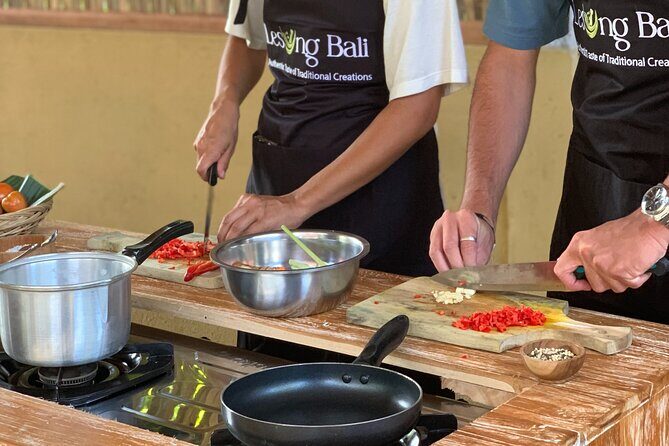
This is where the class earns its reputation. The chef walks you through authentic Balinese cooking techniques using fresh ingredients. You’ll learn how to work spice pastes with lesung—pounding and grinding in the mortar and pestle instead of simply sprinkling powder.
That matters because the texture changes everything. Freshly ground spice mixtures release aroma differently, and pounding helps break ingredients down in a way that creates a more cohesive paste. It’s the kind of technique you won’t forget because your hands learn it while your mouth tastes the result.
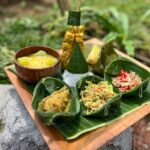
Another signature element is cooking with banana leaves. You’ll prepare food using this method, which adds a gentle, fragrant flavor to the cooking. It’s also a practical technique to try later—if you can source banana leaves—because it’s about wrapping and handling heat in a specific way.
You’ll also learn what each menu requires: which ingredients are used, what else is needed for the dish, and how the chef expects the flavors to work together.
Menu choices, vegetarian options, and what lunch feels like
You don’t have to force your menu to match someone else’s preferences. There’s variety, including vegetarian options, and you can choose your menu during the class. That makes it easier for mixed groups—especially if someone in your party avoids meat or wants to keep things lighter.
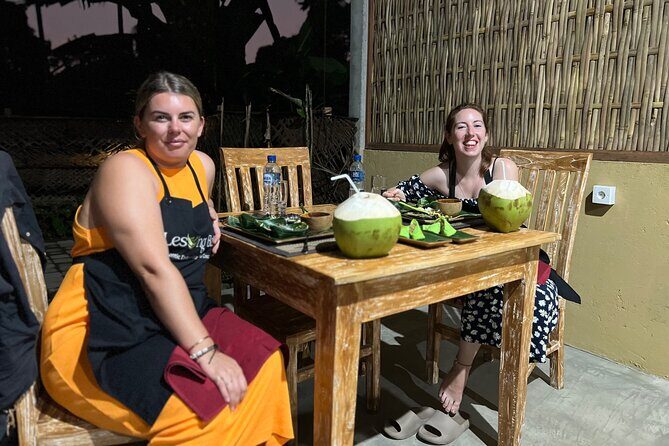
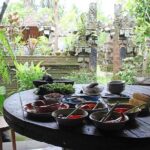
Lunch is included, so you don’t leave the farm hungry and wondering whether the cooking class was worth it. The food you eat is the food you helped make, which is a big difference from classes where you mostly chop for a while and then eat someone else’s work.
One more practical plus: you’ll cook with the fresh ingredients you selected, so even if you’re not a spice expert, you’re still working with flavors that feel grounded and real.
Price and value: what $49 covers and what you might add
At $49 per person, this class is priced like a true half-day activity, not just a casual demo. You’re getting pickup and drop-off in your Ubud area, lunch, bottled water, and coffee and/or tea. You also get the cooking basics included: a recipe in PDF form, utensils, and an apron.
That inclusion list matters because it reduces the “surprise costs” problem that hits some tours. You’re paying for an actual guided experience with materials, food, and a take-home recipe—not just a walk through a kitchen.
What could add cost is if you’re outside the main Ubud pickup zones. Extra fees are listed for several areas: Sanur (+400k per car), Kuta/Seminyak/Canggu (+450k per car), Nusa Dua/Jimbaran (+550k per car), and Uluwatu (+700k per car). If you’re staying in those regions, it’s worth confirming the pickup arrangements early so you can budget accurately.
Group discounts are also mentioned as a feature, which can make this even better if you’re traveling with friends or doing a shared celebration.
The practical take-home: PDF recipes, utensils, and getting it right later
You’ll leave with a recipe PDF, which is more useful than it sounds. When you return home, you can recreate the dishes using the proportions and steps you practiced in class—especially because Balinese spice pastes often feel intimidating until you’ve made one yourself.
You also use utensils provided by the class, so you’re not hunting for the right tools mid-action. The apron and cooking setup help keep things comfortable while you work, and you can focus on technique instead of mess management.
If you want this experience to keep paying off after Bali, take notes during key steps—especially when the chef explains how the paste should look or how the dish should be assembled. You’ll have the PDF later, but your on-the-spot notes help you remember the “feel” of the cooking.
Who this class is best for (and who might prefer something else)
This works really well if you want a hands-on cultural experience without being overwhelmed by a full-day temple schedule. It’s ideal for food lovers, couples, and families who prefer learning through doing rather than standing around.
It’s also a solid pick if you like structure. You’ll know what’s coming: market (morning only), home visit, farm harvest, then cooking and lunch. The choice of departure times helps you place the class in your Bali plan, so it doesn’t smash into other must-dos.
If you hate outdoor heat or you expect to stay entirely indoors, you might find parts of the day less comfortable. And because the experience requires good weather, the day can shift if conditions aren’t right.
Should you book Authentic Balinese Cooking in Ubud?
I’d book it if you want more than a “taste and watch” cooking class. The combination of market (morning), a Balinese home visit, and a farm harvest gives the day context, not just flavor. Add the hands-on techniques—especially lesung pounding and banana-leaf cooking—and you’ll leave with real skills you can repeat.
Pass if you only want a quick, indoor meal and you’re not interested in market or farm stops. Also, check the time you’re choosing. Morning tours bring the market, which is a big part of what makes this class feel complete.
If you book, do two things: come hungry (seriously, lunch is part of the value) and don’t rush the questions. When the chef shows you the steps, ask why that ingredient goes in. That’s how the cooking becomes yours.
FAQ
How long is the cooking class in Ubud?
The experience runs about 5 hours.
Is pickup and drop-off included?
Yes. Pickup and drop-off for the Ubud area are included.
What does the $49 price include?
It includes lunch, bottled water, coffee and/or tea, an air-conditioned vehicle, a recipe PDF, cooking utensils, and an apron.
Do you visit a traditional market?
Yes, but the market visit is for the morning class only.
Can I choose a vegetarian menu?
Yes. The class offers both vegetarian and regular menu options, and you can choose the menu during the class.
What is the maximum group size?
The tour has a maximum of 15 travelers.
Are there extra fees if I’m staying outside Ubud?
Yes. Extra fees are listed for Sanur, Kuta/Seminyak/Canggu, Nusa Dua/Jimbaran, and Uluwatu.
Do I need to print anything for the tour?
No. You’ll use a mobile ticket.
What happens if the weather is bad?
The experience requires good weather. If it’s canceled due to poor weather, you’ll be offered a different date or a full refund.
Can I cancel and get a full refund?
Yes. Free cancellation is available up to 24 hours in advance for a full refund. If you cancel less than 24 hours before the start time, it isn’t refunded.