REVIEW · UBUD
Authentic Balinese Cooking Class with Jewelry Making Class
Book on Viator →Operated by Lesung Bali · Bookable on Viator
Two crafts, one calm Bali day. This Ubud experience stacks a traditional market ingredient hunt with a real Balinese cooking class, then finishes with jewelry making so you go home with something you made.
What I like most is the practical way it’s built: you shop for ingredients first, so the cooking feels connected to the flavors you actually chose. Second, the vibe gets strong praise for being relaxing and well hosted, with a friendly driver-guide named Ron keeping the day smooth and human.
One thing to consider: it’s an 8-hour day that starts early at 7:00 am, and you’ll spend most of it moving between stops and working at stations—great if you like active days, less ideal if you want a slow afternoon.
In This Review
- Key highlights you should care about
- Morning plan in Ubud: market stop, pickup, and coffee at the compound
- Cooking class with a Balinese chef: what you’re really learning
- The garden tour and culture chat: small details that make the day stick
- Jewelry making in north Ubud: 7 grams of silver you can personalize
- Transport, timing, and what an 8-hour schedule means for you
- Price and value check: where your $121.63 goes
- Who this Ubud class suits best (and who should skip it)
- Should you book this cooking and silver class in Ubud?
- FAQ
- Where does the tour start?
- What time does the experience begin?
- How long is the experience?
- Is pickup included?
- What’s included in the price?
- Is there a limit on group size and is cancellation flexible?
Key highlights you should care about
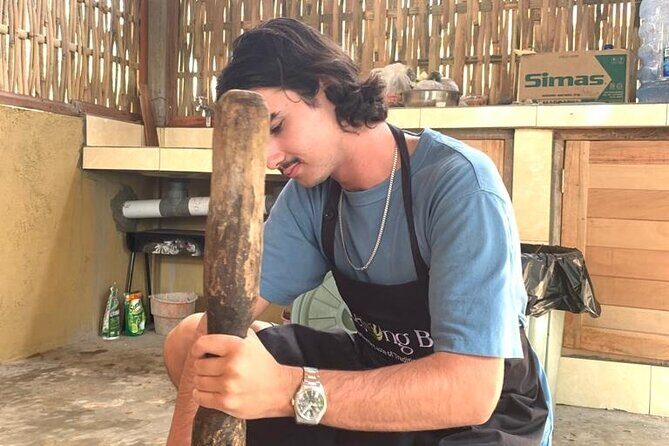
- Traditional market ingredient shopping so you cook with what you picked, not generic pantry items
- A Balinese chef-focused class with cultural context on life and housing in Bali
- Coffee/tea on arrival plus a garden-style walk behind the compound before you start cooking
- Finish with silver jewelry making and take home customized souvenirs you made yourself
- Small group size (up to 15) which usually helps the hands-on parts feel personal
- Value-packed inclusions like lunch, bottled water, air-conditioned transport, and 7 grams of silver
Morning plan in Ubud: market stop, pickup, and coffee at the compound
This day is built like a rhythm you can actually follow: you start early, you gather ingredients, and then you cook. Pickup is offered, and the class runs from about 7:00 am for around 8 hours, ending back near the meeting point area in Ubud.
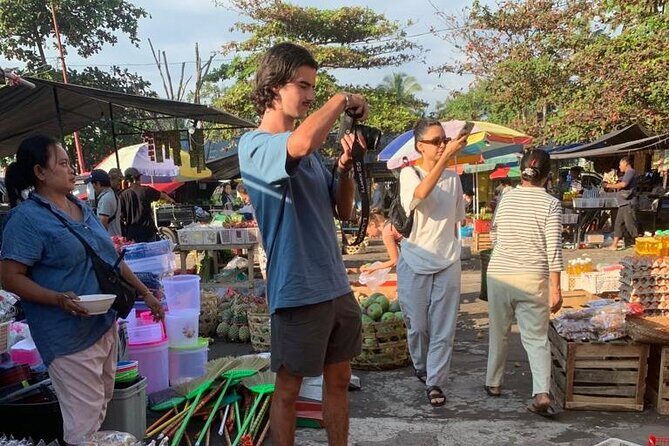
Before you touch a cutting board, you’ll drive to a traditional market to buy ingredients. This matters more than it sounds. In Bali, the difference between a good dish and an excellent one often comes down to getting the right aromatics and fresh basics. When you choose those ingredients yourself, you end up understanding what each one does—so the recipes stick in your head, even after the class is over.
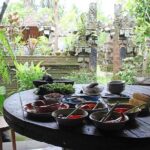
At the cooking location, you’ll be welcomed with coffee or tea in a Balinese compound. This is a nice breather. It’s also the moment where the pace shifts from travel mode into host mode: you get a short intro to Balinese culture and everyday life, including housing style, before you head to the back of the property.
If you’re the kind of person who likes to ask questions—how people live, why they build the way they build—this part sets up the rest of the day well. It’s not just cooking talk. It’s context.
Practical tip: wear something that can handle an outdoor market stop and then kitchen work. Comfort wins here.
You can also read our reviews of more cooking classes in Ubud

Cooking class with a Balinese chef: what you’re really learning
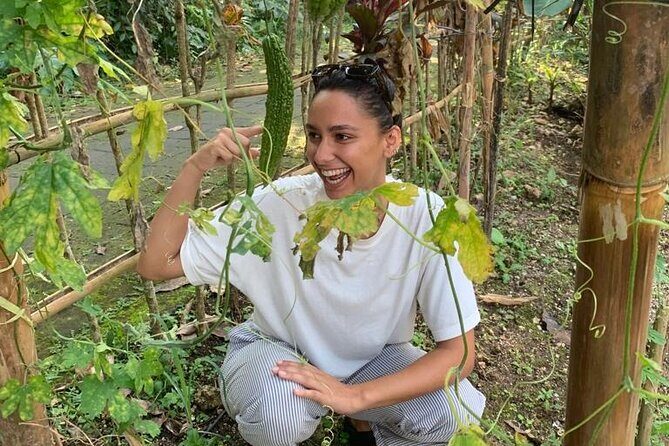
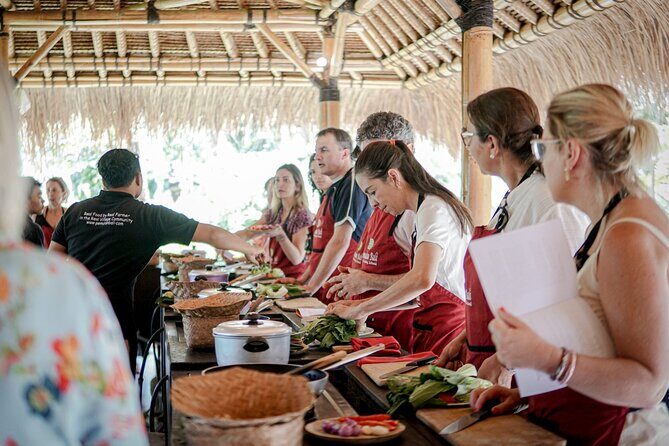
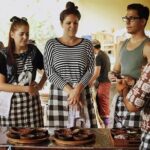
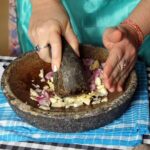
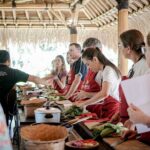
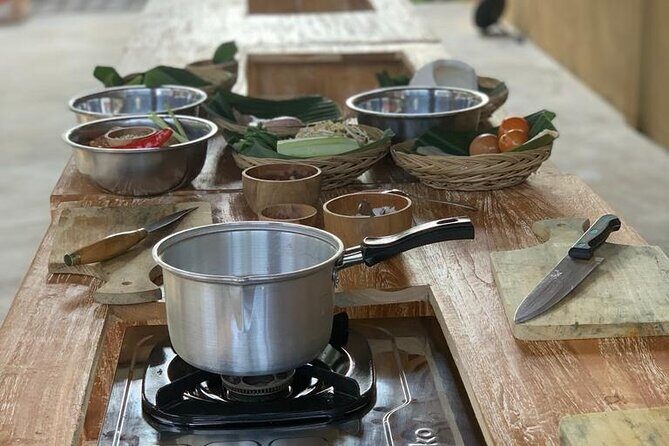
The heart of the experience is the cooking session with a Balinese chef who specializes in Balinese food. Your class is not framed as a rushed demo. You’re meant to actively cook, then eat the lunch you make.
Here’s what you can expect once the class starts:
- You’ll cook after the welcome intro and a walk behind the house.
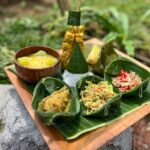
- You’ll make your own lunch from the ingredients you selected earlier.
- You’ll get a clear sense of Balinese flavor building blocks, rather than only following steps.
A key detail: the day includes coffee/tea, bottled water, and lunch, so you won’t need to hunt down meals mid-stream. That keeps the day enjoyable and helps you focus on learning instead of logistics.
The feedback for this part leans toward quality and relaxation—people love the taste of what they cooked and the fact that the kitchen setting feels pleasant, with hosts described as nice and accommodating. That combo matters. If the kitchen environment is comfortable and the instructions feel patient, you’ll actually enjoy the process, not just survive it.
If you’re worried about language barriers, the experience is still very hands-on and structured around actions. You’ll likely understand more than you think just by watching techniques and copying the rhythm of what the chef is doing.
What to look for while you cook: pay attention to how herbs and spices are handled, and how flavors are balanced. Even if you can’t remember every step, you’ll come away with a feel for the dishes.
The garden tour and culture chat: small details that make the day stick
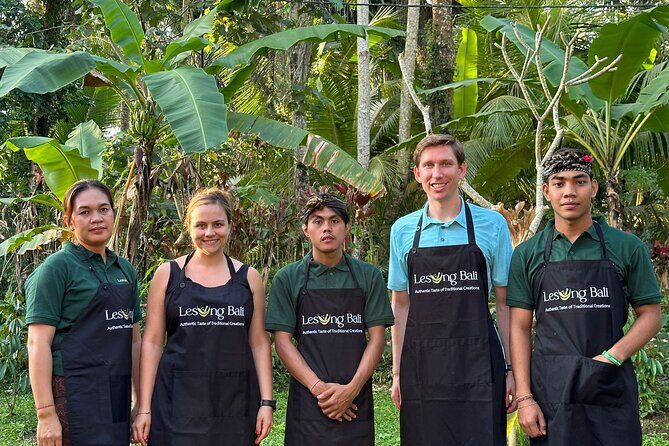
After you arrive and enjoy coffee or tea, you’ll take a walk to the back of the house for a garden tour. This isn’t just scenery. It’s a chance to connect the cooking to the place—how food and daily life overlap in Bali.
Then the host covers a bit of:
- Balinese culture and lifestyle
- Housing style in Bali
Why this is valuable: when you learn a dish in a vacuum, it stays a recipe. When you learn it tied to place, it becomes something you can picture later. You’ll remember the smell of the ingredients more clearly and understand why certain flavors are used.
This is also where the day can feel more personal. Smaller moments—like noticing how the compound is arranged or hearing how people think about home—are often what you talk about later.
One caution: because this is part of an active schedule, you’ll want to keep your energy up in the morning. Hydrate, eat what’s served, and take a breath during the coffee/tea welcome so the rest of the day feels easy.
Practical tip: bring a light layer. Early morning in Bali can feel cooler before it warms up.
Jewelry making in north Ubud: 7 grams of silver you can personalize
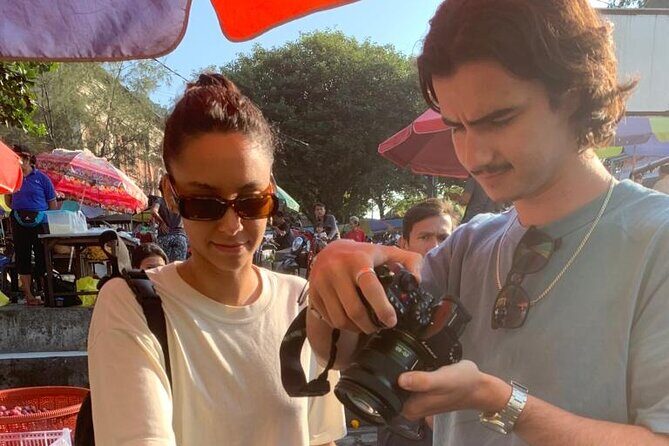
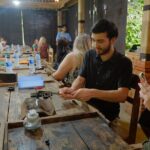
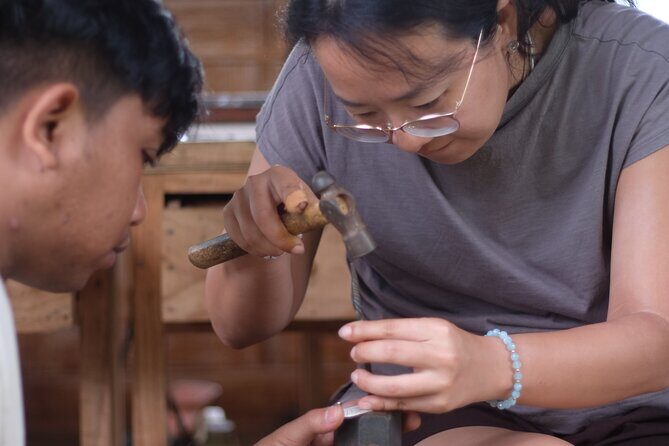
After lunch, the day shifts gears to jewelry. The class takes place in the north side of Ubud, and you’ll learn how to make your own jewelry as a souvenir to take home.
A big reason this works as a pairing with cooking: you get a creative outlet with clear deliverables. Cooking gives you food to taste and remember. Jewelry gives you something physical you can wear or gift.
What’s included here is specific:
- 7 grams of silver
That’s a meaningful inclusion for the price. It also signals the class is not just a craft add-on. You’re genuinely making silver jewelry, not doing a quick souvenir craft.
You’ll create customized souvenirs from Bali that are made by you. In practice, what you’ll likely value most is the feeling of making it with your own hands—and having that story attached to the object.
The small group size (maximum 15 travelers) also helps in the jewelry portion. More attention often means fewer frustrations if you want to slow down, ask questions, or refine your design.
What to expect with your hands: you’ll be working with tools and metal (specific techniques aren’t detailed, so you should expect instruction and guidance rather than doing it solo). Wear sleeves you don’t mind and keep your focus on the teacher’s steps.
Transport, timing, and what an 8-hour schedule means for you
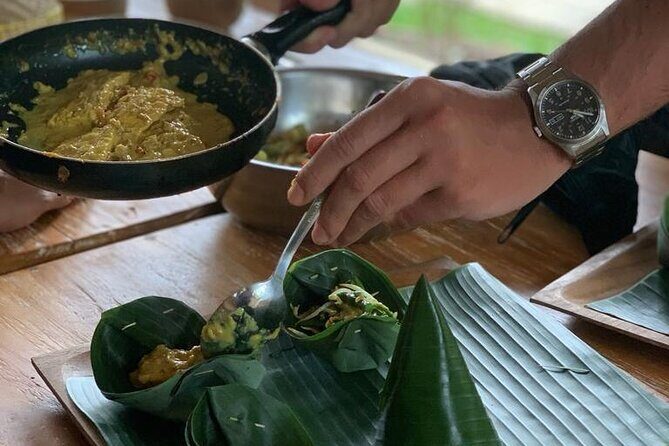
Let’s talk timing honestly. You’re picked up in the early morning and you’re out for about 8 hours. That’s enough time to do three things well—market shopping, cooking/lunch, and jewelry—but it’s not a short cultural stop.
So this tour fits best if:
- you enjoy full-day experiences
- you don’t mind early starts
- you like both food and a hands-on craft
- you want something more meaningful than a photo-only activity
It’s also set up with an air-conditioned vehicle for the ride between the meeting point, the market, and the different parts of the experience. That helps, especially as the day heats up.
And because the experience is capped at 15 travelers, it usually feels more like a workshop with a group, not a factory line of people.
You can also read our reviews of more tours and experiences in Ubud

Price and value check: where your $121.63 goes
At $121.63 per person, this is not the cheapest thing on an Ubud menu. But it also isn’t trying to be. The value is in the bundle.
Your day includes:
- pickup offered
- air-conditioned vehicle
- coffee and/or tea
- lunch
- bottled water
- 7 grams of silver
- guided cooking and jewelry making with cultural explanation
- small group format (max 15)
- mobile ticket
When you compare value, the silver inclusion does a lot of the work. Jewelry classes can be expensive on their own, and having silver included in the package makes this feel more like a complete experience than an add-on craft.
Also, the market stop matters. Many cooking classes skip real ingredient sourcing. Here, you buy ingredients first, which improves the learning experience and makes the meal feel tied to your choices.
If you’re the kind of person who buys souvenirs but hates the guesswork, this has a different payoff: you make the souvenir. That tends to justify the price better than a standard shop purchase.
Bottom line: this is good value if you’ll use the cooking and jewelry parts, and if you’re excited by hands-on learning rather than only watching.
Who this Ubud class suits best (and who should skip it)
This experience is a strong match for:
- couples or small groups who want a shared activity in Ubud
- people traveling with friends who like structured, creative days
- anyone interested in Balinese cooking and culture, not just eating
- craft lovers who want a tangible take-home item made in Bali with included materials
It may not be the best fit if:
- you want a very relaxed day with minimal schedule
- you dislike early mornings
- you only care about cooking and not jewelry
Also, if you’re easily overwhelmed by changing locations (market → compound → kitchen → jewelry workshop), you should go in expecting motion. The schedule is logical and guided, but it is still an active day.
One detail that can matter: the day is described as hosted warmly and accommodating. If you’re shy, you should still be okay—this sounds like a supportive setup where people can participate without feeling rushed.
Should you book this cooking and silver class in Ubud?
I’d book it if you want a Bali experience that checks two boxes at once: real food learning and a real craft output. The market start gives you flavor context, and the jewelry making with 7 grams of silver gives you a souvenir with a story.
Choose it especially if you like experiences that feel calm and well guided. People highlight the relaxing nature of the day and the niceness of the hosts, and having a friendly guide-driver named Ron can turn the morning drive and transitions into part of the fun rather than just transportation.
Skip it if your ideal Bali day is mostly sightseeing from a seat. This is hands-on. You’ll cook, then make jewelry. If that sounds appealing, this one is worth your time in Ubud.
FAQ
Where does the tour start?
It starts at Lesung Bali Cooking Class, on Jl. Dewi Saraswati, Bongkasa Pertiwi, Kec. Abiansemal, Kabupaten Badung, Bali 80361, Indonesia.
What time does the experience begin?
Start time is 7:00 am.
How long is the experience?
It runs for about 8 hours.
Is pickup included?
Pickup is offered.
What’s included in the price?
Included items are coffee and/or tea, lunch, bottled water, an air-conditioned vehicle, and 7 grams of silver.
Is there a limit on group size and is cancellation flexible?
The maximum group size is 15 travelers, and cancellation is free up to 24 hours before the start time for a full refund.