REVIEW · UBUD
Bali Amazing Cooking Class
Book on Viator →Operated by Dejulius Tour · Bookable on Viator
A Balinese cooking class starts with a market trip. In Ubud, this experience mixes hands-on cooking with a real look at daily life—traditional market stalls, rice fields, and then cooking in a Balinese home setting. You’ll learn why the flavors work the way they do, not just how to copy a dish.
Two things I like about it right away: you get hotel transfers in the Ubud area, which keeps the day easy, and the class is organized around making food yourself, then eating what you cook. A lot of people also highlight that you come away with recipes, so your kitchen at home isn’t a total mystery.
One possible drawback: the schedule depends on good weather, and if you’re hoping for an over-the-top market with tons of stalls, you might find the market stop more modest than you pictured.
In This Review
- Key highlights at a glance
- Why a Balinese home-cooking class feels different in Ubud
- Price check: what $34 buys you (and what it doesn’t)
- The route: market, rice fields, and a Balinese home kitchen
- Step 1: Hotel pickup in Ubud (morning or afternoon)
- Step 2: Traditional market stop
- Step 3: Rice fields visit
- Step 4: Arrival at a Balinese house for cooking
- Hands-on cooking: how the class actually plays out
- Cooking style and tools
- You may get a welcome ritual element
- Dishes you can expect to learn
- Recipe handout at the end
- Lunch, then you eat what you made (Balinese style)
- Getting picked up, staying comfortable, and packing smart
- Pickup and timing you can plan around
- What to bring
- Group size
- What can go wrong, and how to avoid disappointment
- The market may be smaller than you expect
- Cooking depth can depend on your session flow
- Weather can affect the plan
- Who this Bali Amazing Cooking Class suits best
- Should you book this Bali Amazing Cooking Class in Ubud?
- FAQ
- How long is the Bali Amazing Cooking Class in Ubud?
- Does the price include hotel pickup?
- What stops are included during the day?
- What food do I get during the class?
- Are alcoholic drinks included?
- How many dishes will I cook?
- What should I bring with me?
- How big is the group?
- What happens if weather is bad?
Key highlights at a glance
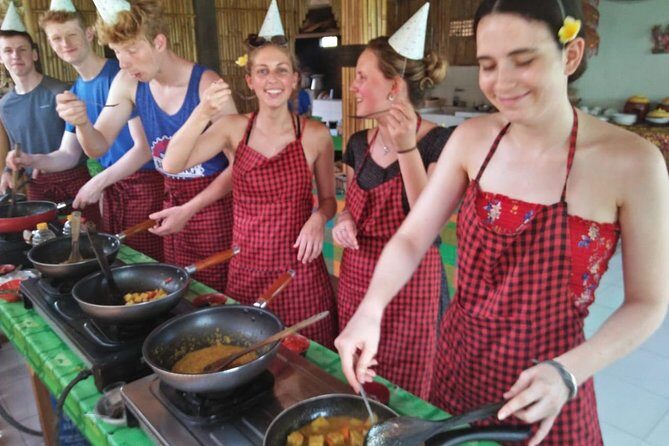
- Market + rice fields in one morning, with explanations about daily Balinese life
- Balinese home cooking using traditional tools and techniques
- You cook, then you eat in a shared meal style
- Recipes provided at the end so you can repeat the dishes later
- Free pickup in Ubud area (and you’ll coordinate other areas)
- Small-group feel thanks to a 25-traveler max
Why a Balinese home-cooking class feels different in Ubud
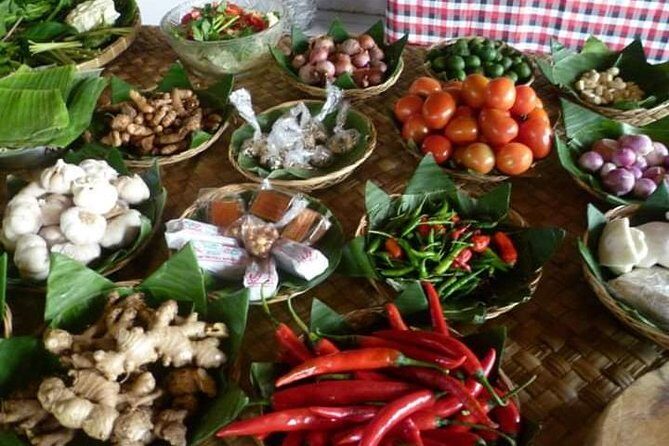
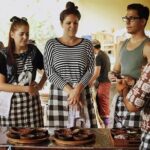
Ubud is full of cooking classes. The difference here is the setting and the flow. You’re not just walking into a classroom and following instructions. You start outdoors—market and rice fields—then move into a home where the food routines make sense in context.
That context matters. Balinese cooking is built on ingredients you can actually name and find: herbs, spices, and flavors that show up again and again in different forms. When you see where staples come from (rice) and how people shop day to day (market), you’re more likely to remember what you learned and why it tastes the way it does.
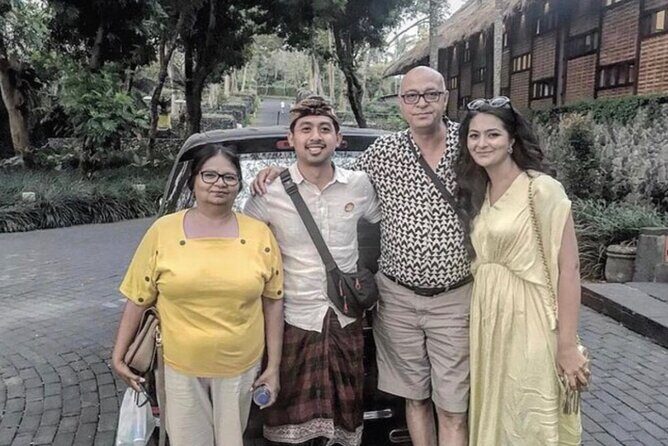
The day also has a cultural rhythm. You’ll get a look at what people do on normal days, and the cooking happens in a way that feels less like performance and more like family food-making. People mention instructors like Dewi (Ibu Dewi) and Nyoman and family, which gives the day a personal, local feel.
You can also read our reviews of more cooking classes in Ubud

Price check: what $34 buys you (and what it doesn’t)
At $34 per person, this sits in the value zone for Ubud. What makes it feel like more than a bargain class is that it bundles multiple parts of a half-day outing: pickup, transport by air-conditioned vehicle, a market visit, rice-field time, and then the full cooking session.
Included basics that add real value:
- All cooking equipment and facilities
- Bottled water
- Lunch (or dinner, depending on trip timing)
- All fees and taxes
- Free hotel pickup in the Ubud area
What to budget separately:
- Alcoholic beverages
- Personal expenses
Also note: this is typically booked about 9 days in advance on average. That’s usually a sign the schedule works well for people planning a trip, not that you need to rush—but it’s a good idea to lock in early if Ubud is your priority.
The route: market, rice fields, and a Balinese home kitchen
This is a morning-focused itinerary (with an afternoon option). Either way, the pacing keeps you from spending the whole day stuck in one room.
Step 1: Hotel pickup in Ubud (morning or afternoon)
Pickup in the Ubud area is free. Morning pickup is between 8:00–8:30am, and the experience runs about 5 hours, with return around 1:30pm. There’s also an afternoon pickup between 3:00–3:30pm.
If you’re staying outside Ubud, you’ll need to coordinate pickup, since free pickup is specifically noted for the Ubud area.
Step 2: Traditional market stop
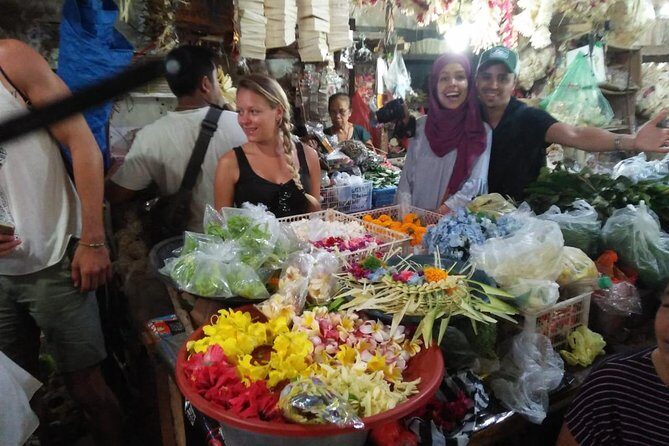
The market visit is meant to connect food to daily life. You’ll get explanations about Balinese daily activity while you walk through the stalls.
A fair heads-up: one participant felt the market was underwhelming because there weren’t many stalls. So if you’re expecting a huge, loud, all-day market scene, adjust your expectations. Think of it more as a food-and-life orientation than a full shopping tour.
You can also read our reviews of more tours and experiences in Ubud
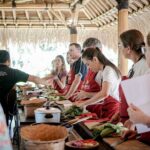
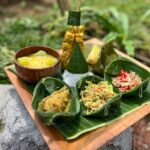
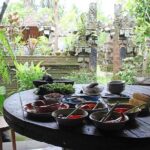

Step 3: Rice fields visit
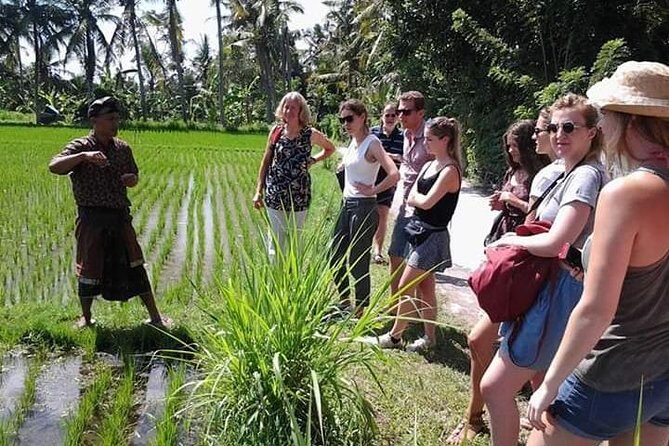
Next comes the rice fields, with explanations about how rice is grown. Even if you’ve seen rice terraces before, this part helps you understand what rice is in Balinese life—why it’s such a center of the food system, and how locals relate to it.
Step 4: Arrival at a Balinese house for cooking
After the outdoor stops, you move into the house where the cooking class happens. Many people describe the welcome setup as warm and family-like, including details such as welcome drinks and homemade cake (in at least some runs). It’s the kind of transition that makes you stop feeling like a tourist and start feeling like you’re visiting people.
Hands-on cooking: how the class actually plays out
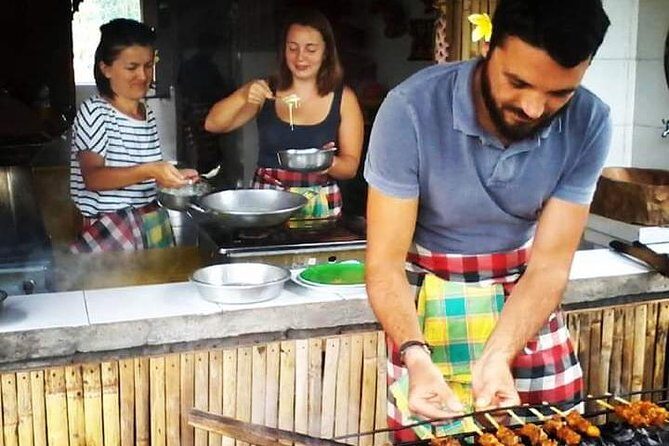
This is the part you came for: cooking, not just watching. The structure is designed to balance teaching and doing.
Cooking style and tools
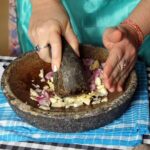
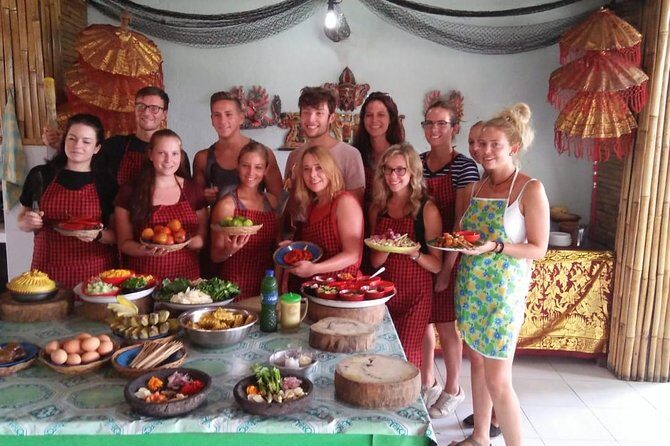
You’ll cook in a Balinese home kitchen with traditional-style tools and active guidance. In practice, that means you’re not just stirring one sauce and calling it a day. People highlight the hands-on process—working from ingredient prep through finishing each dish.
You may get a welcome ritual element
One of the most distinctive details from participant write-ups is making a traditional basket to offer to the gods before cooking starts. Even if you don’t know anything about the ritual, it gives the day a memorable anchor point that goes beyond food technique.
Dishes you can expect to learn
The number of dishes reported varies by session, but the most common pattern is learning around 10 different Balinese dishes, with some people mentioning 11 dishes including dessert. You may also see classic items like fried rice show up—one person felt their fried rice was not as good as they hoped, so results can be session-dependent and also depend on how hands-on you stay during the process.
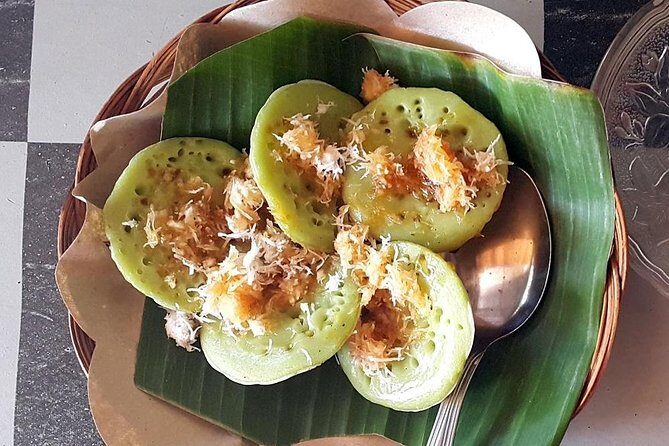
A favorite called out in write-ups is banana dumplings, which gives you a sweet reminder that Balinese cooking isn’t only about spice and savory staples.
Recipe handout at the end
This is a big deal for value. People consistently mention receiving recipes at the end. That turns the class into something you can repeat, rather than a single-day memory.
Lunch, then you eat what you made (Balinese style)
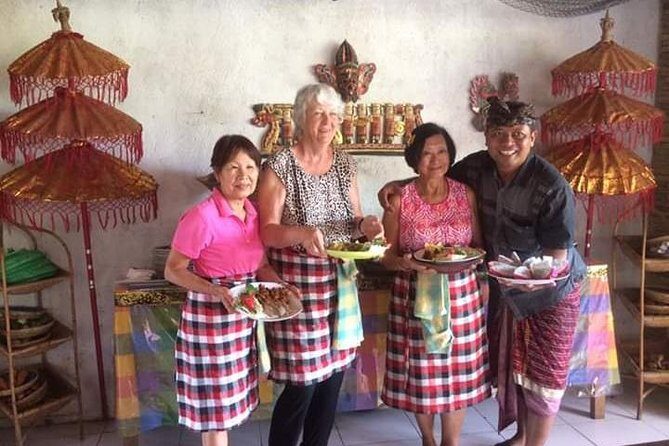
Eating your results is part of the learning. Once you cook, you’re better equipped to notice flavor patterns—how fresh ingredients behave, how spice combinations change, and what balance feels right in Balinese dishes.
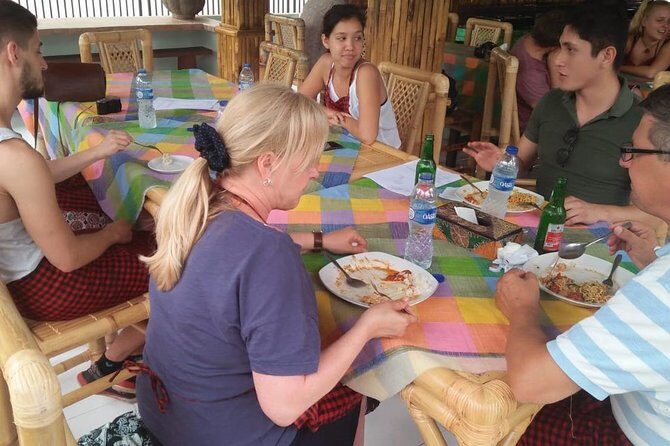
You should expect a meal that isn’t stingy. Several people say they didn’t go home hungry. Even if you’re not a huge eater, you’ll likely leave satisfied, because the class is structured around cooking plus shared eating time.
Getting picked up, staying comfortable, and packing smart
Logistics are where many tours lose points. This one does the basics well.
Pickup and timing you can plan around
- Morning pickup: 8:00–8:30am
- Return: about 1:30pm
- Afternoon pickup option: 3:00–3:30pm
Bring your pickup details clearly (hotel/room number/right pickup spot) and a contact number that’s easy to reach. That’s emphasized for a reason: this is a coordinated morning, and you’ll want the driver to find you fast.
What to bring
The note is specific, and I’d follow it:
- Camera
- Sun cream
- Some cash
- Small backpack
- Shoes
Shoes matter because you’ll be walking through market and rice-field environments. If you show up in flip-flops, expect it to feel annoying quickly.
Group size
There’s a maximum of 25 travelers. In real life, that usually means you’ll still be able to move and participate without getting totally lost in a crowd. One write-up mentioned a very small group, which is a nice outcome if you can get it.
What can go wrong, and how to avoid disappointment
Let’s keep it honest.
The market may be smaller than you expect
If your ideal market day is all-out, stall-packed chaos, this may feel too quiet. The rice fields and the home kitchen are the bigger wins, so I’d treat the market as context, not the main event.
Cooking depth can depend on your session flow
Most people describe a very organized class with a good balance of demonstration and doing. But there’s at least one mixed note about the cooking being more ordinary. The best way to protect yourself is simple: lean in, ask questions, and don’t let your hands go idle.
Weather can affect the plan
The experience requires good weather. If weather is poor, it can be canceled and you’ll be offered a different date or a full refund. So if Bali is tight on dates, keep that in mind.
Who this Bali Amazing Cooking Class suits best
This works especially well if you:
- Want a Ubud food experience that also includes a cultural walk through market and rice fields
- Like learning techniques and bringing home recipes, not just a photo set
- Prefer a tour that stays within a manageable group size (max 25)
- Enjoy cooking with a guide who brings the day’s food story to life, whether that’s Ibu Dewi or Nyoman and family (names shared in participant write-ups)
If you’re only looking for the fastest cooking demo with zero walking, you might find the market and rice-field stops too much. But if you enjoy a full arc—from ingredient origin to your plate—this is a strong match.
Should you book this Bali Amazing Cooking Class in Ubud?
Yes, I think you should—especially for the value. For $34, you’re not just paying for a recipe session. You’re paying for a half-day outing with pickup, two outdoor stops, a home-cooking experience, and a meal.
Book it if:
- You want to cook Balinese dishes and leave with recipes
- You care about seeing how food connects to daily life (market + rice)
- You’d rather spend your money on a real local cooking day than another generic sightseeing block
Skip or choose carefully if:
- You want a massive market spectacle as the centerpiece
- You hate walking in the sun and don’t plan to bring shoes and sun cream
- Your schedule is so inflexible that a weather-related date change would be a headache
If Ubud is on your list and you want a hands-on day that feels rooted in place, this one fits the bill.
FAQ
How long is the Bali Amazing Cooking Class in Ubud?
It runs for about 5 hours. The morning trip typically has hotel pickup between 8:00–8:30am and returns around 1:30pm.
Does the price include hotel pickup?
Yes, free hotel pickup is included for the Ubud area. If you’re outside Ubud, you’ll need to contact the provider for pickup options.
What stops are included during the day?
You’ll visit a traditional market, see rice fields, and then go to a Balinese house for the cooking class.
What food do I get during the class?
You’ll cook and then eat together with a Balinese-style meal. Lunch or dinner is included (depending on trip timing), along with bottled water.
Are alcoholic drinks included?
No. Alcoholic beverages are not included.
How many dishes will I cook?
The class is described as teaching multiple Balinese dishes. Some participants report learning around 10 dishes, and others mention 11 dishes including dessert.
What should I bring with me?
Bring a camera, sun cream, some cash, a small backpack, and shoes.
How big is the group?
The experience has a maximum of 25 travelers.
What happens if weather is bad?
The experience requires good weather. If it’s canceled due to poor weather, you’ll be offered a different date or a full refund.