REVIEW · UBUD
From Ubud : Ubud Balinese cooking class with Market tour
Book on Viator →Operated by Wayan Aris · Bookable on Viator
Balinese cooking starts with a spicy plan. This Ubud market-and-cooking experience is built around real food skills, from a morning market stop (for morning classes) to cooking 9 Balinese recipes with Wayan Aris and family. You’ll also see how offerings and ingredients fit into everyday Balinese life.
I like two things most. First, you work from the flavor base—Balinese spice paste—so your food tastes like it belongs in Bali, not like a copied recipe. Second, the class keeps you in a small group (max 12), which means you get help while you cook, not just a lecture.
One thing to plan for: the food can run very spicy. If heat knocks you out, tell your guide before you start, and taste as you go so you can adjust what you can control on your plate.
In This Review
- Key things I’d watch for before you book
- Price and what you actually get in 5 hours
- Ubud pickup, the “small group” pace, and how the day flows
- Morning market at Tampaksiring, plus rice paddies you can actually see
- Afternoon classes add a canang offering step (not just cooking)
- From spice paste to a whole menu: why this class feels different
- Cooking 9 Balinese dishes: hands-on steps you’ll remember
- The buffet meal at a Balinese house: eat what you made
- The recipe PDF: turning a fun day into a repeatable skill
- What to bring, dietary notes, and the spice-level reality check
- Who this is best for (and who might want to choose another option)
- Should you book this Ubud market-and-cooking class?
- FAQ
- What’s the duration of the Ubud cooking class?
- Is hotel pickup and drop-off included?
- Does the tour include a market visit?
- Are rice paddies included?
- What do you cook during the class?
- Do you get recipes to take home?
- Can I request a vegetarian option?
Key things I’d watch for before you book
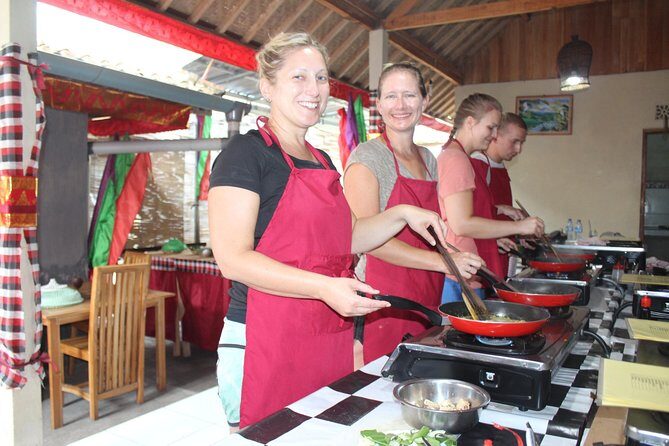
- Small-group class (max 12): easier questions and hands-on attention while you’re cooking
- Morning option includes Tampaksiring market + rice paddies: great combo of ingredients and scenery
- You cook 9 recipes: not just one dish, so you leave with a wider flavor map
- Spice paste as the base: it helps you understand why multiple dishes taste related
- PDF recipe copies: you can recreate the dishes later without guessing
- Pickup only in central Ubud: outside Ubud can cost extra if you’re not already nearby
Price and what you actually get in 5 hours
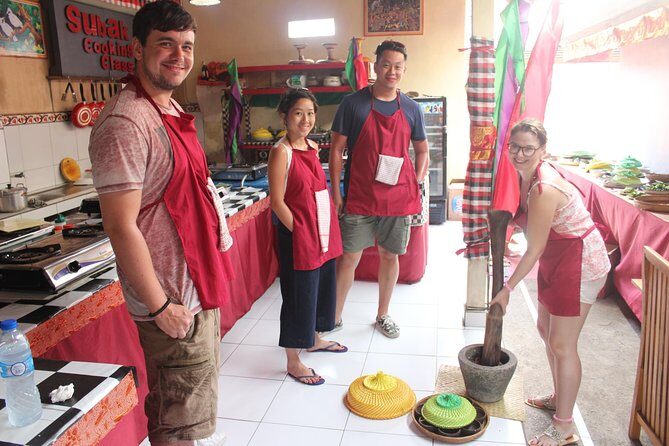
For $58 (about 5 hours), this one is fairly strong value if you want more than a quick cooking show. You’re not only making food—you’re also getting ingredient context through a market visit (morning classes), plus rice paddy time and a hands-on cooking session built around multiple dishes.
A lot of cooking classes in Ubud either focus on eating or focus on cooking. This one tries to do both, with a buffet meal at a Balinese house after you cook. That timing matters. You’re learning, then you’re eating what you made while it’s still fresh in your mind.
The other value lever is the recipe handout: you get a PDF copy of the 9 recipes, so it’s easier to keep going after the class. That’s what turns an entertaining day into a skill you can repeat.
You can also read our reviews of more shopping tours in Ubud
Ubud pickup, the “small group” pace, and how the day flows
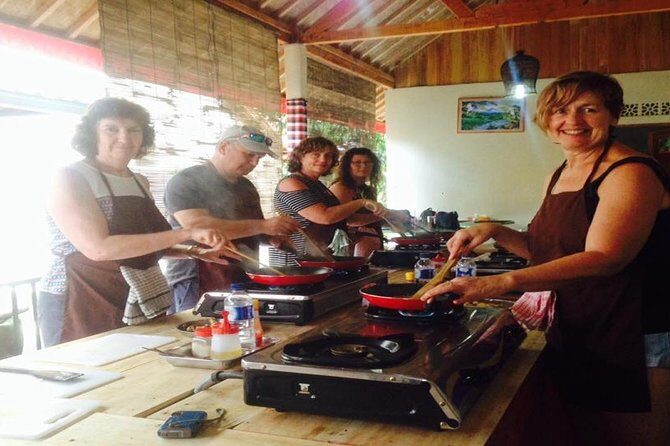
You’ll get pickup from where you stay in Ubud, but only within the Ubud center area is included for drop-off and pick-up. If your hotel is farther out of central Ubud, expect an extra charge for transport.
The experience starts with a simple welcome: a cold ice tea, plus bottled water during the day. Then the schedule moves fast, but not chaotic. You’ll bounce between guide talk, cooking prep, and the actual cooking steps.
Group size is capped at 12 travelers, and that’s a big deal for a hands-on class. When you’re working with spice paste, frying, or assembling dishes, you don’t want a big crowd standing between you and the instructor’s attention.
You’ll also be using an air-conditioned vehicle for transit between stops, which is a nice break in Ubud’s heat.
Morning market at Tampaksiring, plus rice paddies you can actually see
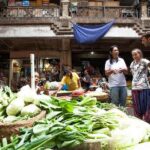
If you book the morning class, your start is built around local ingredients. You’ll visit a traditional market in Tampaksiring village, and you’ll likely get a guide who knows people there. That matters because a market isn’t just a photo stop. It becomes a living way to understand what people buy and why those ingredients matter.
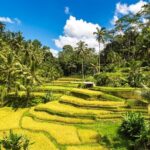
Next comes rice paddies, with a scenic break from the kitchen. This isn’t random sightseeing. In Balinese food culture, rice and farming are part of daily rhythms. Seeing the paddies helps you connect the ingredients to where they come from.
Practical tip: wear shoes you can walk in and keep your camera ready. Markets can be crowded, and rice paddy paths can be a little uneven.
Afternoon classes add a canang offering step (not just cooking)
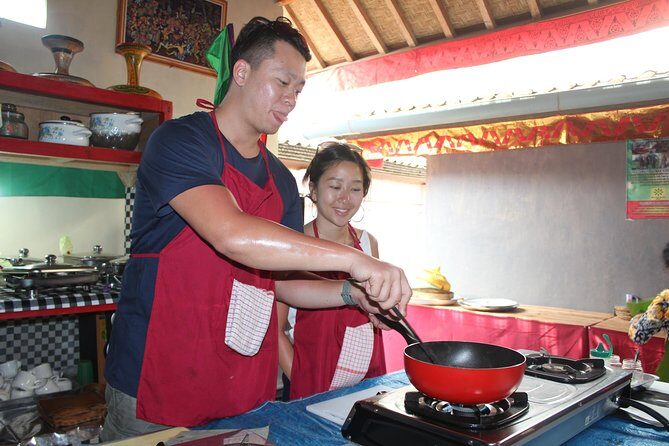
If you do the afternoon version, the day shifts a bit. Instead of the market and rice paddies focus, you get time for making canang offering (the “canang” step is listed for afternoon classes).
Offerings sound abstract until you do one yourself. For many people, this is where Bali stops being just food and becomes culture you can see with your own hands. You’ll likely learn the basics of how offerings are assembled and why they matter in everyday life.
If you want a class that’s mostly about food technique, the morning format may feel more direct. If you want cultural grounding alongside cooking, the afternoon option has that added element.
From spice paste to a whole menu: why this class feels different
Here’s the smart part: you don’t just jump to final dishes. You start by making Balinese spice paste—the base used for many of the dishes you’ll cook.
That approach is practical. Once you understand the paste, you can taste how it changes from dish to dish. Even if you’re not fluent in Balinese cooking terms, you’ll notice the flavor logic: what’s fragrant, what’s savory, and what balances heat with depth.
You’ll also get a welcome drink early, and then the class moves into prep and cooking. That sequence is helpful because you’re not exhausted before you start. And when you’re dealing with strong flavors, that first taste moment is easier if you’re feeling steady.
You can also read our reviews of more tours and experiences in Ubud



Cooking 9 Balinese dishes: hands-on steps you’ll remember
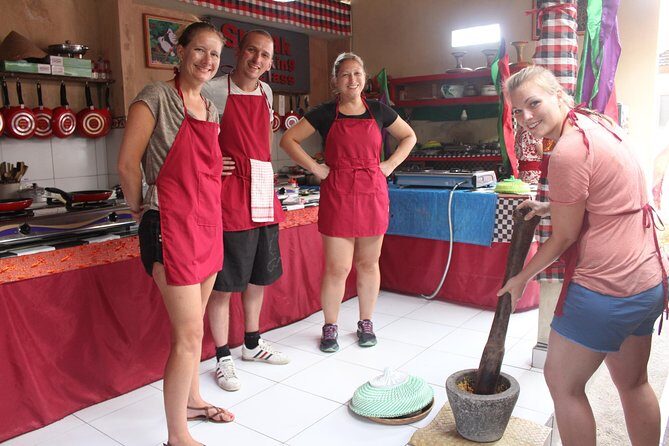
You’ll cook a total of 9 Balinese recipes. The class descriptions mention dishes like fried tempe and Balinese chicken, plus vegetable soup and other local favorites.
Expect a mix of tasks: chopping, mixing spice paste, assembling, frying, and serving. Because you’re making multiple dishes, your brain stops treating each plate as a one-off. Instead, you start recognizing patterns—like how the same spice base can lead to different textures and levels of richness.
One review-based caution: at least some classes push heat hard. Even people who like spice can struggle. Your best strategy is to taste along the way and ask for guidance if you think you’ve been given a heavy-handed portion of chili paste. You’re in a small group, so this is exactly where you can get real-time help.
Also, you’ll have a chance to take photos. The info explicitly suggests bringing something to take pictures, so don’t rely on your phone battery alone.
The buffet meal at a Balinese house: eat what you made
After the cooking, you’ll enjoy a buffet meal at a Balinese house. Since the class already built your focus on those 9 recipes, this part lands well. You’re not just eating food—you’re comparing what you made to how it should taste.
The inclusions also mention buffet dinner or dinner in addition to buffet lunch in the day description, so plan for a proper meal, not a snack. In any case, you’ll be fed.
This is also a good moment to ask questions while the flavors are still fresh. If something is too spicy or not spicy enough, you can get guidance for how to adjust next time you cook at home.
The recipe PDF: turning a fun day into a repeatable skill
You get a PDF with 9 copies of the Balinese recipes. For many people, that’s the difference between a cool memory and a real takeaway.
Here’s how to use it wisely: don’t just save it. When you get home, pick one dish you cooked that you liked most. Make that one first. Then move to the next, using the PDF to rebuild your spice paste habits.
Cooking classes often give you food and photos. This one gives you instructions you can refer back to. That’s a practical value add for $58.
What to bring, dietary notes, and the spice-level reality check
Do a little prep so your day stays smooth.
Bring:
- Cash, since it’s noted for buying something or paying additional transport charges if needed
- A camera (or make sure your phone is ready), since there’s a prompt to bring something for pictures
- Any notes about what kind of heat you can handle
Diet:
- If you’re vegetarian, you can request it. The rule is specific: submit your vegetarian request one day before the class. Don’t wait until the day-of.
Heat:
- Plan for spicy flavors. Even if you like chili, Bali’s spice blend can be intense. Taste as you go and ask your instructor how to adjust portions if you need a gentler version.
One more logistics note: pickup/drop-off is included only for Ubud center. If you’re staying at the edge of Ubud or outside the center, confirm whether extra charges apply so you’re not surprised later.
Who this is best for (and who might want to choose another option)
This tour fits well if you want:
- A hands-on cooking experience, not just watching
- A food day that includes ingredient context via the market and rice paddies (morning)
- A small group format with enough attention to ask questions
- Recipes you can actually reproduce later (the PDF matters)
You might think twice if:
- You want a mild, kid-proof spice level. You can ask for guidance, but strong heat is a real possibility.
- You’re far outside central Ubud and don’t want to deal with extra transport charges.
If you’re traveling with kids, this can work, especially when the family-style format helps everyone participate. The key is managing spice expectations and keeping everyone tasting at their own pace.
Should you book this Ubud market-and-cooking class?
I’d book it if your goal is to learn Balinese cooking in a way that sticks: you’ll make spice paste, cook 9 dishes, eat the results, and take home PDF recipes. The market and rice paddies add substance, especially if you choose the morning class.
I wouldn’t book it as confidently if you’re extremely sensitive to chili or you’re expecting a super relaxed, slow-paced cooking morning. Heat can be intense, and the day moves through multiple steps.
If you do book: send your dietary needs at least a day ahead, tell your guide your heat comfort level early, and wear shoes that handle a market and uneven paths. Do that, and you’ll get a day that feels like Bali—through food, not just scenery.
FAQ
What’s the duration of the Ubud cooking class?
The class is about 5 hours.
Is hotel pickup and drop-off included?
Yes, pickup and drop-off are included in Ubud center. If you’re outside that area, additional charges may apply.
Does the tour include a market visit?
It includes a traditional market stop for morning classes only.
Are rice paddies included?
Yes, rice paddies are part of the morning class only.
What do you cook during the class?
You cook 9 Balinese recipes, including dishes such as fried tempe, Balinese chicken, and vegetable soup.
Do you get recipes to take home?
Yes. You’ll get a PDF copy of the 9 recipes.
Can I request a vegetarian option?
Yes, but you need to request it one day before the class.