REVIEW · UBUD
Vegetarian Ubud Cooking Class Bali
Book on Viator →Operated by Wandernesia · Bookable on Viator
Spice grinding in Bali is its own kind of therapy. This class is focused on Balinese vegetarian cooking, so you learn the flavors (and technique) without having to fake anything. I especially liked two hands-on touches: the market visit for real ingredients, and learning how to grind spice pastes the traditional way using an ulekan.
The main thing to consider is logistics. Pickup is offered for central Ubud, but one unhappy experience in the feedback shows you should keep the meeting-point address handy and confirm your time in advance.
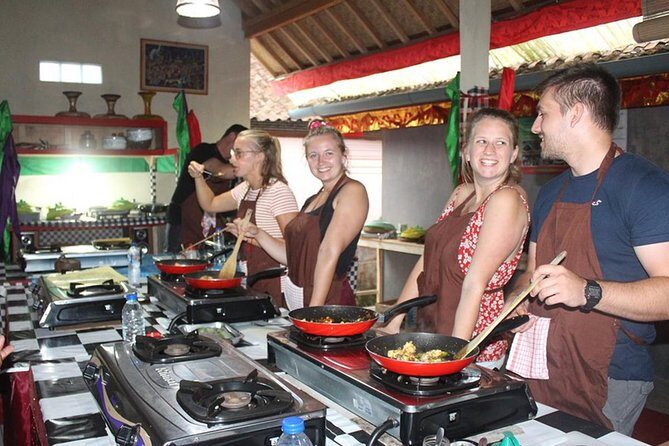
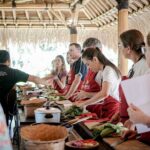
In a small group (up to 15), you’ll work with a professional English-speaking local chef and prepare nine separate dishes. You also get transfers from central Ubud hotels, plus water and a welcome drink, so you’re not juggling extra planning while you’re hungry and learning.
In This Review
- Key highlights worth planning around
- From market to spice paste: how the class teaches real Balinese flavor
- Grinding spices the traditional way (without the guesswork)
- Nine dishes in a 4-hour class: how the cooking session flows
- Lunch or dinner included: what you actually get to eat
- Transfers in central Ubud: convenience with a real check
- The “rice field explanation” piece: why the setting matters
- Price and value: why $39 can be a good deal
- Who this cooking class is best for
- Practical tips to make your class smoother
- Should you book Vegetarian Ubud Cooking Class Bali?
- FAQ
- What is the duration of the Vegetarian Ubud Cooking Class Bali?
- What will I cook in the class?
- Does the price include pickup and drop-off?
- Is lunch or dinner included?
- Is there a market visit?
- Is this experience refundable if I cancel?
Key highlights worth planning around
- Market shopping first, so your ingredients make sense once you’re in the cooking steps
- Ulekan grinding, the tactile part where you finally understand why Balinese spice paste tastes different
- Nine vegetarian dishes, including tofu and tempe, not just a token veggie swap
- Small group size (max 15), which keeps the class feeling interactive
- Morning lunch or afternoon dinner, with bottled water included
- Recipe copy file included, so you can cook again at home without guessing
From market to spice paste: how the class teaches real Balinese flavor
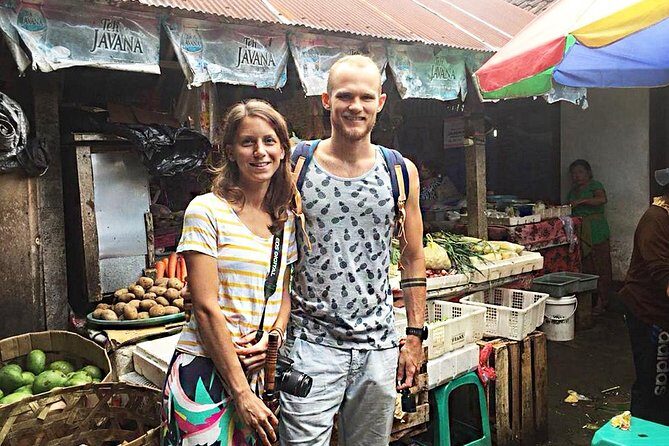
Ubud is a great place to learn cooking because it’s not only about restaurants. The food culture is close to where the ingredients grow and where the seasonings come from. In this class, you start with the basics: shopping and understanding what you’re going to cook. That part matters more than people expect, because Balinese dishes often hinge on spice paste flavor, plus the balance between aromatics and fresh ingredients.
You’ll spend time selecting ingredients during the market portion, and you’re not just sightseeing while someone else shops. This is set up so you’ll connect the dots between what you buy and what ends up in your pan. If you’ve ever tried to recreate a recipe at home and wondered why it tasted flat, you’ll understand where the missing flavor lives by the end of the day.
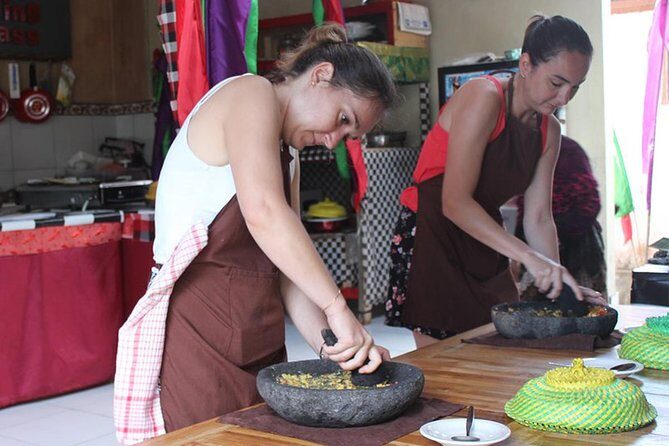
Then comes the truly Balinese step: grinding spice pastes in an ulekan. If you’ve only ever used a blender or food processor, this is a wake-up call. Grinding helps you control texture and release aromatics gradually. Even if the exact spice blend varies dish to dish, the method is the same idea: paste should smell fragrant, feel thick, and be able to cling to your ingredients while it cooks.
You can also read our reviews of more cooking classes in Ubud
Grinding spices the traditional way (without the guesswork)
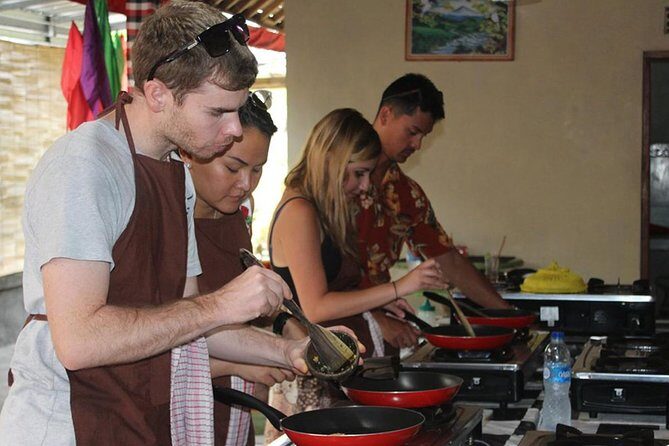
One reason this class gets strong feedback is that it doesn’t treat cooking like a show. It teaches technique. The spice-paste portion is where you learn the workflow that underlies many Balinese dishes.
Here’s what you can take away as a practical goal:
- You’re not just trying to copy flavors. You’re trying to understand how they’re built.
- You’ll see how herbs, aromatics, and spices turn into a paste you can work with.
- You’ll learn the rhythm of grinding, mixing, and moving from paste to pan.
Because this is a vegetarian-focused class, the chef can also show you how vegetarian ingredients take on those same flavors. The class is tailored around tofu, tempe, and fresh veggies, so the spice paste doesn’t get treated like an optional garnish. It’s the engine.
Nine dishes in a 4-hour class: how the cooking session flows
You’ll prepare nine separate dishes over about 4 hours (approx.). That sounds like a lot, and it is, so the class has to be structured. The good news is that the structure is part of the value: you get multiple dishes, but you also get a repeated set of skills you can reuse later.
The dishes are vegetarian and include ingredients like tofu, tempe, and fresh vegetables. Even if you’re a beginner, this setup helps you build confidence fast because you’re not stuck making only one complicated item. Instead, you repeat core technique across different flavors and textures.
Also, having a professional chef matters in a class like this. You’re not relying on guesswork or a printed sheet. You’re working under guidance, and you can ask questions while you cook. The chef is English-speaking, which makes a difference when you’re trying to learn subtle steps like when to stop grinding, how to manage paste thickness, or how to assemble the dish the right way.
Lunch or dinner included: what you actually get to eat
The class runs either a morning session or an afternoon session, with meals included based on timing:
- Morning: lunch plus bottled water
- Afternoon: dinner plus bottled water
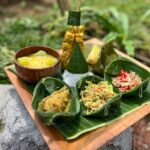
Either way, you’re eating what you made, not just watching. That’s one of the easiest ways to improve your learning. When you taste your own dish, you can connect flavor cues to the steps you just did.
You also get a welcome drink, and water is included. Other beverages are available for purchase, but you won’t arrive responsible for building your own drink plan.
In practical terms, this makes the class feel like more than a “workshop.” It becomes a full food experience in a small window of time—especially helpful if you’re short on days in Ubud.
Transfers in central Ubud: convenience with a real check
This tour offers 2-way transfers in central Ubud. That’s a big quality-of-life upgrade, because you’re spending the day cooking, not negotiating transport. It also means you can show up in clothes fit for cooking without worrying about whether you’ll find the right corner of Ubud when you’re hungry.
If you’re staying outside central Ubud, the details in the listing say pickup is specifically in central Ubud, so you might want to double-check your exact pickup eligibility and timing. And because one feedback report described a pickup failure, I’d treat this as your reminder to do two things:
- Confirm your pickup time close to departure.
- Save the meeting-point address just in case you need to meet directly.
The official start/mix point is listed as Subak cooking class & Cooking class in ubud, on Jl. Werkudara, Tampaksiring, Kec. Tampaksiring, Kabupaten Gianyar, Bali 80552, Indonesia.
You can also read our reviews of more tours and experiences in Ubud

The “rice field explanation” piece: why the setting matters
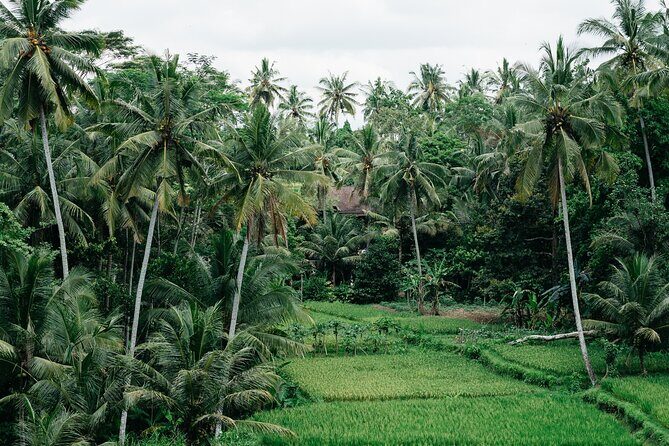
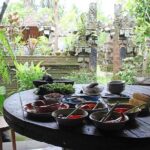
Cooking classes can feel like they happen in a kitchen with no context. This one is stronger because it includes an educational feel beyond the stove. One of the most appreciated parts is the rice field explanation, paired with the market visit.
That matters because Balinese cooking isn’t only about ingredients. It’s also about how people understand land, water, and cultivation. When someone explains rice fields alongside the ingredients you’re buying and the spices you’re using, the food stops being abstract. You start to understand why certain crops and local products show up again and again.
Even if you’re just casually curious, this context makes your finished dishes more meaningful. And for food lovers, it’s a helpful bridge between what you’re eating today and what you can notice in Bali tomorrow.
Price and value: why $39 can be a good deal
The price is $39.00 per person, and the value comes from stacking several “paid separately” parts into one session:
- A professional English-speaking chef
- A market shopping experience tied to what you cook
- Equipment for cooking (so you aren’t bringing tools)
- Nine recipes provided as a copy file, so you can repeat the results later
- Water and a welcome drink
- Lunch or dinner (depending on the session), plus bottled water
- Pickup and drop-off in central Ubud
When you look at it that way, the class isn’t only about the cooking. It’s also about the learning and the ingredient context, plus meals and transport convenience. That’s the kind of value that works best when you don’t have time to plan multiple activities in the same day.
One more reason the price can make sense: small group size (maximum 15). You’re more likely to get guidance and attention when the class isn’t packed.
Who this cooking class is best for
This is a great fit if you:
- Eat vegetarian and want Balinese cooking that’s built for you, not modified at the last second
- Want hands-on instruction, especially for spice paste and technique
- Like learning through doing, with a real market start
- Want a small-group class that still feels social and relaxed
It’s also a good choice if you’re traveling with friends or family and want something active that ends with a shared meal.
If you’re extremely short on time, note that it’s around 4 hours. But if you can manage that block, it’s a solid use of a day in Ubud.
Practical tips to make your class smoother
A few small moves can make the day easier:
- Wear comfortable clothes you can cook in. You’re handling spices and food prep.
- Bring an open mind about texture. Spice pastes made with a traditional grind can feel different than what you’re used to.
- Take the recipe file seriously. The class includes nine recipes, so don’t just glance—save them and pick one dish to remake first at home.
- If you’re using pickup, confirm timing and keep the meeting-point address saved. That avoids stress if anything changes.
And if you’re specifically vegetarian, pay attention during the way tofu and tempe are treated in the cooking steps. The chef’s guidance here is exactly what makes the vegetarian version feel authentic instead of second best.
Should you book Vegetarian Ubud Cooking Class Bali?
Yes, I think you should book it if your goal is real technique and repeatable results, not just a casual taste test. The combo of market shopping, spice paste grinding in an ulekan, and a professional chef who cooks with you (in English) is the core win. Add in nine vegetarian dishes, plus the recipe file and an included meal, and you get a full-value food day.
Skip it—or at least proceed with extra caution—if you’re the type who panics about pickup timing. The price and inclusions are great, but one negative case highlights that you should double-check pickup details and have the meeting point address ready.
If you want a vegetarian-friendly way to experience Balinese cooking in Ubud, this is one of the more practical options that still feels hands-on.
FAQ
What is the duration of the Vegetarian Ubud Cooking Class Bali?
The class lasts about 4 hours (approx.).
What will I cook in the class?
You’ll prepare nine separate vegetarian dishes, featuring ingredients like tofu, tempe, and fresh vegetables.
Does the price include pickup and drop-off?
Yes. Pick up & drop off transport service is included for central Ubud only.
Is lunch or dinner included?
It depends on the session time. Morning sessions include lunch and bottled water. Afternoon sessions include dinner and bottled water.
Is there a market visit?
Yes. The experience includes shopping the market as part of the cooking process.
Is this experience refundable if I cancel?
No. It is non-refundable and cannot be changed for any reason, and the amount paid will not be refunded.