REVIEW · UBUD
Bali Cooking Class with Culture Experience
Book on Viator →Operated by Lobong Culinary Experience · Bookable on Viator
Fresh herbs, hot coffee, and real Balinese home cooking.
This Bali cooking class with culture experience in Ubud is built around the whole process: ingredient shopping in a local morning market, then cooking a full menu at a home-style pavilion. I love that the class starts with real ingredients (herbs, spices, fruit, and vegetables) chosen and explained by the family host, not a generic shopping list. You’ll also get a clear path to repeat the food later with an illustrated recipe booklet.
A small-group format matters here, and you’ll see the pace is set for hands-on work rather than a quick demonstration. The one thing to consider is timing: it starts at 7:30 am and runs about 6 hours, so you’ll want to be ready for an early start and a full morning/late breakfast-to-lunch flow.
In This Review
- Key things I’d clock before you go
- Ubud Cooking at 7:30 am: why early is part of the experience
- The morning market stop: where Balinese flavors start (and how to use it)
- Coffee, pisang goreng, and Dewa’s home-life lesson
- Lobong cooking pavilion: you’ll cook an actual full menu
- Lunch at the table: eating your work, then the gratitude moment
- The take-home booklet: why it changes the value of the class
- Price and value: is $62 a fair deal in Ubud?
- Small-group feel: comfort, pace, and real instruction
- Who this Bali cooking class suits best (and who may want something else)
- Should you book Lobong Culinary Experience in Ubud?
- FAQ
- Where does this Bali cooking class take place?
- What’s the duration of the cooking experience?
- What time does the class start?
- Does the tour include pickup from hotels?
- Is a ticket provided digitally?
- What happens at the beginning of the day?
- What food and drinks are included?
- How big is the group?
Key things I’d clock before you go
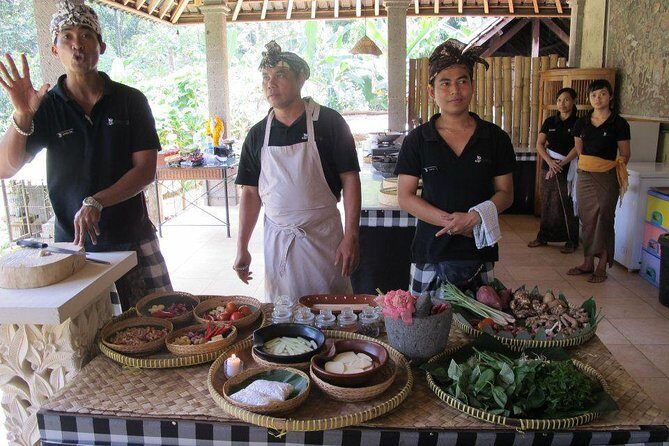
- Morning market ingredient shopping: meet the flavors first, then cook them into your meal
- Dewa’s welcome and banana fritters: coffee or tea plus pisang goreng to kick things off
- A full menu, not just one dish: appetizers, multiple entrees, sides, and dessert
- Small group size (max 12): more attention as you cook
- Take-home illustrated instructions: recipes, directions, photos, and space for notes
Ubud Cooking at 7:30 am: why early is part of the experience
Starting around 7:30 am is not random. In Ubud, the morning market is where ingredients look freshest and smell strongest, and that affects how the dishes turn out later. When the market visit is early, you’re not just watching colors and piles—you’re learning what people actually buy for everyday meals and how those choices connect to Balinese flavors.
This timing also shapes the mood. You’ll begin with breakfast-style snacks and hot drinks (coffee or tea), then roll straight into cooking. By the time lunch happens, you’re not waiting around hungry or distracted. The day is structured like a real meal cycle: market first, then prep, then cooking, then eating.
If you’re the type who hates early mornings, this is the only real drawback. You’ll be up for the start, and the total length is about 6 hours.
You can also read our reviews of more cooking classes in Ubud

The morning market stop: where Balinese flavors start (and how to use it)
The day begins at the market, guided by your Family Host. This isn’t just a walk past stalls. The host will help purchase and explain the herbs, spices, fruits, and vegetables used in the class. That matters because Balinese cooking is built on combinations—citrus, aromatics, chilies, and fragrant spices working together—so learning the ingredients early helps you understand what you’re building later.
Here’s how I’d make the most of this part as you’re there:
- Pay attention to what gets used for fragrance versus what adds heat. You’ll likely notice some ingredients are there for aroma and others for punch.
- Ask simple questions as you go. The host’s job is to explain, and markets are where “what is this?” turns into “why does it go in this dish?”
- Smell first, then decide. If you’re offered something like fruit to try, take it seriously—those tastes often connect directly to the dessert or snack later.
One more practical note: the market visit is hands-on in the sense that you’re buying ingredients that become your menu. That’s different from tours where you just take photos and move on. You’ll feel like the cooking actually belongs to you.
Coffee, pisang goreng, and Dewa’s home-life lesson
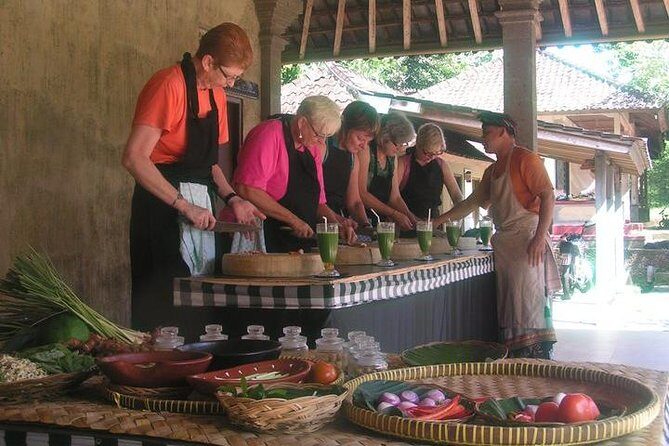
Before you start serious cooking work, you’ll get welcomed at the home. Dewa serves a piping hot cup of coffee or tea—or mineral water if you prefer. The snack is fresh pisang goreng, crispy banana fritters, made to get your taste buds going.
This is more than a cute start. That welcome snack is doing two jobs:
1) It warms you up and settles your appetite.
2) It gives you a reference point for the sweetness and crisp texture that Balinese food often balances with spice and herbs.
While you drink, you’ll learn about Balinese lifestyle from the family setting. You may hear about families, home shrines, and culture in a casual, lived-in way while staff also checks that the cooking pavilion is ready. The teaching style here tends to be practical—show, explain, then cook—so you’re not stuck with facts floating around without tasting them.
If you enjoy meals that feel human-sized and personal, this part is a big reason to book. It’s easier to understand a cuisine when you’ve seen where people eat, where they keep daily practices, and how food fits into family life.
Lobong cooking pavilion: you’ll cook an actual full menu
Once things are ready, the class moves to the cooking pavilion. This is where the experience earns its value. You’re not watching someone else do everything. You’ll prepare a complete menu that includes:
- An appetizer
- Multiple traditional entrees
- Accompanying side dishes
- A dessert
That menu structure is ideal for two reasons. First, you’ll get practice with a range of flavors and techniques. Second, you’ll leave with a more complete picture of what a Balinese meal feels like—how the sides and sauces support the main dishes and how sweetness lands at the end.
Also, because it’s a home-based setup with staff checking readiness, you tend to get a smoother flow than you would in a crowded kitchen or a demo-only workshop. The experience is set up to teach you step-by-step while keeping the day moving.
A small-group size (max 12) helps here. You’re less likely to feel like a line item. The group structure makes it easier for the chef and staff to notice what you’re doing and correct mistakes before they become disasters.
If you’re hoping for a “sit back and taste everything” tour, this may feel hands-on. But if you want to learn by doing, it fits well.
Lunch at the table: eating your work, then the gratitude moment
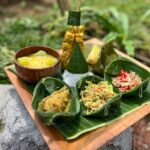
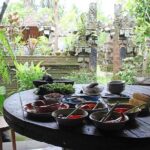
After cooking, you get to enjoy the dishes you prepared, starting with lunch and finishing with dessert. Since you’ve shopped for ingredients and cooked the menu, lunch doesn’t feel like a random included meal—it feels like the payoff.
One detail I like in the flow is how dessert isn’t treated like an afterthought. You’ll finish with freshly made dessert, so the sweet part of the meal is part of the lesson rather than just a snack on the way out.
In addition, there’s an ending moment of gratitude after the meal. It’s described as a ritual of gratitude, and it fits the larger theme of the day: food tied to daily life, family routines, and respect for ingredients.
Don’t worry if you’re unsure what to do during a cultural moment like that. The experience is family and staff-led, and the day’s tone is welcoming. You’ll likely be guided into the moment rather than thrown into confusion.
You can also read our reviews of more tours and experiences in Ubud

The take-home booklet: why it changes the value of the class
Most cooking classes end with you eating. This one goes a step further because you leave with an illustrated instructional gift booklet.
The booklet includes:
- The menu
- Recipes
- Directions
- Photos
- Tips
- Plenty of space for personal notes
That matters for value because it reduces the main problem with cooking lessons: the memory gap. Spices smell amazing on the day you buy them, and you might remember the gist—but measurements, timing, and steps are the things that fade fast.
With a booklet like this, you can recreate the dishes later with less guesswork. You can also jot down what you adjusted, what your family liked, and what you want to improve next time.
If you enjoy cooking and want more than a one-day experience, this is the piece that keeps paying off.
Price and value: is $62 a fair deal in Ubud?
At about $62 for roughly 6 hours, this is one of those Ubud experiences that feels priced for people who want real skill, not just a short tasting tour. Here’s what you’re paying for, in practical terms:
- Round-trip transfers from central Ubud hotels are offered, which cuts down the cost of logistics and makes the day easier.
- The class isn’t just tasting. You’re shopping ingredients at a morning market and then cooking a full menu yourself.
- You get breakfast snack items and drinks at the start, then you eat lunch you prepared, then you finish with dessert.
- You leave with an illustrated booklet, which is basically a take-home guide you can use again.
Is it cheap? No. But it also isn’t a bare-bones cooking demo. When you add up the market time, instruction time, included food, and the booklet, the price lands in the “fair for what you actually do” range.
If you’re already planning a lot of activities in Ubud, I’d treat this as your main food-focused anchor for the trip. Put it on a day when you can give it full attention, and you’ll feel the value more strongly.
Small-group feel: comfort, pace, and real instruction
With a maximum of 12 travelers, this class is designed to feel like a group lesson rather than a mass workshop. That’s useful when you’re cooking more than one dish. People learn at different speeds, and if the kitchen is tight and the pace is rushed, the lesson tends to become stressful.
Here, the structure includes staff checking the pavilion is ready and the class proceeds with a plan: snack and drink welcome, booklet briefing, cooking sequence for appetizer/entrees/sides/dessert, and then eating lunch and dessert.
I also appreciate the small-group ceiling because it helps the cultural storytelling land naturally. If you have a question about a spice or you want to understand why a certain ingredient is used, you’re more likely to get an answer instead of blending into a crowd.
Who this Bali cooking class suits best (and who may want something else)
This experience is best for you if:
- You like hands-on cooking and want to learn how to make a complete Balinese meal at home.
- You enjoy markets and want the story behind ingredients, not just the end dish.
- You want a small-group day that mixes food and culture through a family setting.
You might want a different style of tour if:
- You strongly prefer late starts or short time commitments. The 7:30 am start and 6-hour duration won’t match your rhythm.
- You’re looking mainly for sightseeing photos rather than cooking instruction and meal prep.
For most food-minded travelers in Ubud, it hits a sweet spot: market learning, home hospitality, and a meal you can cook again later.
Should you book Lobong Culinary Experience in Ubud?
I’d book it if you want a real cooking lesson tied directly to ingredients—plus culture explained in a family home setting. The combination of a market ingredient walk, a Dewa welcome with coffee or tea and pisang goreng, then cooking a full menu (appetizer, multiple entrees, sides, dessert) makes this feel like a day with purpose, not a quick show.
Book it especially if you care about taking home more than memories. The illustrated booklet with recipes, directions, photos, tips, and note space is the feature that turns this into a future cooking plan, not just a one-day event.
If you’re sensitive to early mornings, plan around it. Otherwise, this is a strong choice for anyone who wants Balinese food at home-level detail, guided by people who actually cook in that setting.
FAQ
Where does this Bali cooking class take place?
It takes place in Ubud, Indonesia.
What’s the duration of the cooking experience?
The experience lasts about 6 hours.
What time does the class start?
The start time is 7:30 am.
Does the tour include pickup from hotels?
Yes. Round-trip transfers from central Ubud hotels are offered.
Is a ticket provided digitally?
Yes. You’ll have a mobile ticket.
What happens at the beginning of the day?
You start at a local morning market, where the family host buys and explains fresh herbs, spices, fruits, and vegetables.
What food and drinks are included?
You’ll enjoy a hot drink (coffee or tea) or mineral water, banana fritters (pisang goreng), a breakfast snack, lunch you prepare, and freshly made dessert.
How big is the group?
The experience has a maximum of 12 travelers.