REVIEW · UBUD
Exclusive Authentic Balinese Cooking Class at Family home
Book on Viator →Operated by Nipala cooking class by Kedongding · Bookable on Viator
This Balinese cooking class starts with real local food life. You’ll visit Payangan Market, then head to a family compound for a hands-on session in a traditional open kitchen. It’s not just watching someone else cook. You’ll chop, pound, grind, and make your own sauces and pastes the old way.
I like how you cook everything yourself at your own station, not as an observer. I also love the way the class focuses on spice preparation, especially paste and sauce work using traditional tools. One thing to think about: the experience is weather-dependent and runs in an open-kitchen style, so if conditions are rough the day may change.
In This Review
- What makes this class worth your time
- Payangan Market: where the shopping makes the cooking click
- Welcome at the Balinese compound: coffee, cake, and real family life
- The open kitchen lesson: mastering paste and sauce prep
- What you cook in 6 hours: Balinese dishes with vegetarian options
- Morning vs afternoon classes: markets, meals, and how to choose
- Price and logistics: $75 worth it when you factor in what’s included
- Practical tips so you get the most from the hands-on cooking
- Should you book this Balinese cooking class near Ubud?
- FAQ
- How long is the cooking class?
- Where does the experience start and end?
- Is this class private, or can I be grouped with strangers?
- Are vegetarian meals available?
- What dishes will I cook?
- What’s included in the price?
- What if the weather is bad or the minimum number of travelers isn’t met?
What makes this class worth your time
- Payangan Market first: learn what locals actually buy and use before cooking begins
- Family-home setting: you’re in a real Balinese compound, not a showroom
- Traditional tools for spice work: stone mortar and wooden chopping methods for pastes and sauces
- Private group size up to 12: hands-on feel stays personal
- Clear vegetarian options: you can make a fully vegetarian menu if you request it in advance
- You eat what you cook: lunch or dinner is part of the session, depending on your time slot
Payangan Market: where the shopping makes the cooking click
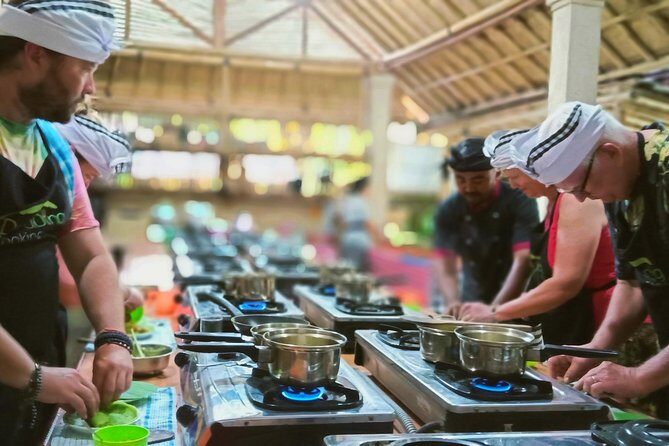
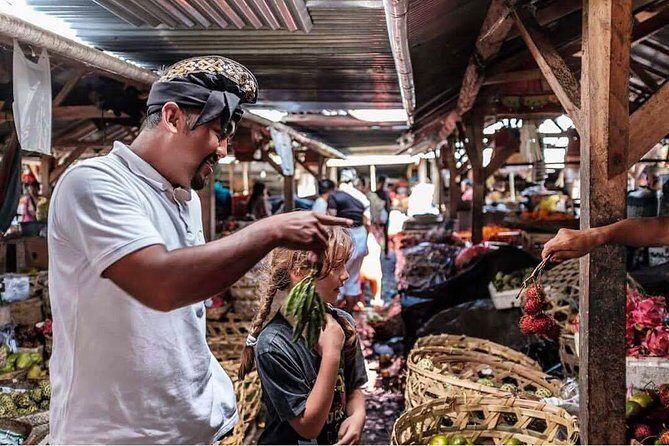
The class begins at Payangan Market, and that matters more than you’d think. When you see the ingredients up close, you stop treating Balinese food like a list of dishes and start understanding how flavors build. You’ll be guided through what’s being sold and which produce and spices are used in everyday cooking.
This is also the moment the experience turns from generic cooking class into local food education. The market stop gives you context: what’s fresh, what’s fragrant, and what’s used to create those punchy balances Balinese cuisine is known for. It’s the kind of start that makes the later hands-on work feel less like following steps and more like learning a system.
If you’re the type who likes to know why a dish tastes the way it does, you’ll appreciate this approach. You’ll also have an easier time recreating flavors at home because you remember the ingredients you selected and prepped in the first place.
A small consideration: the class timing can include different market energy depending on whether you’re going in the morning or afternoon (more on that below). If you’re sensitive to heat or timing, pick the session that matches your comfort level.
You can also read our reviews of more cooking classes in Ubud
Welcome at the Balinese compound: coffee, cake, and real family life
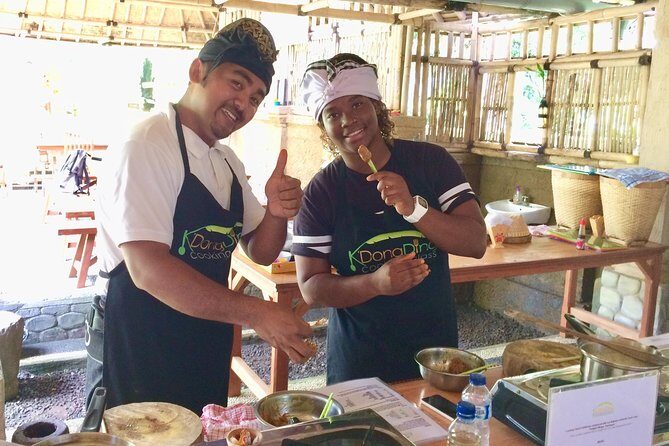
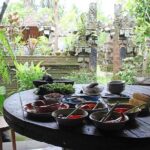
After the market, you head into a Balinese compound house setup. Before the chopping starts, you’ll be welcomed with Bali coffee/tea and Balinese cake. It’s a gentle landing before the hands-on portion, and it also sets the tone that you’re part of their day, not just renting their kitchen.
This is where the experience earns its “exclusive” feel. It’s described as family-run, and the space is a home, not a staged venue. In past sessions, people have been introduced to family members and even shared stories about the household setup. One memorable detail mentioned is that the family has a rescued pet monkey. Even if you’re not into animal stories, it’s a reminder that you’re visiting a living place, with daily rhythm and genuine hospitality.
The grounds tour is also useful. You’ll get a sense of how the compound works and why food preparation happens the way it does. When you later grind spices at the right pace or learn the paste technique, it feels connected to the environment you just saw.
One more practical note: compound houses can mean outdoor-to-indoor transitions. Wear clothes you can move in and that you don’t mind getting a little spice-scented. (Yes, that happens. Balinese herbs do not shy away.)
The open kitchen lesson: mastering paste and sauce prep
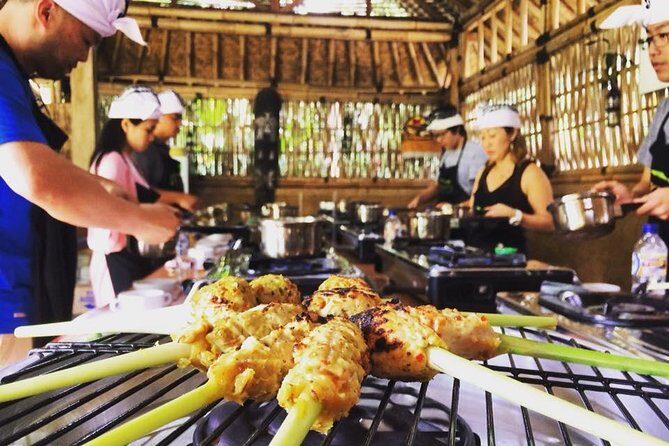
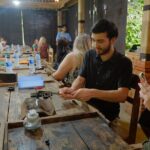
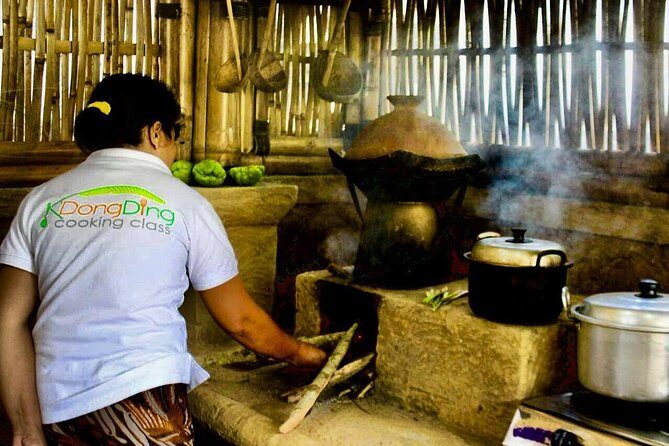
The hands-on cooking part takes place in a traditional open kitchen. You don’t just learn recipes—you learn technique. This class puts paste and sauce preparation at the center, and that’s where many home cooks get stuck when they try to recreate Balinese flavors later.
You’ll work with traditional methods, including processing ingredients using either:
- chopping on a wooden block, and
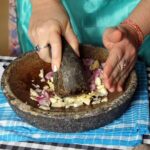
- grinding in a stone mortar
That difference isn’t a gimmick. The texture you create in the early stage influences how flavors bloom while cooking. A paste that’s more finely ground will behave differently than a mixture that’s chopped with more visible texture. The class guides you through these steps so you understand what you’re changing as you work.
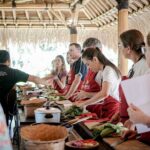
And you’ll feel the workflow: testing spice ingredients, then moving into prep and cooking. The class isn’t hands-off. You’re doing the processing and cooking yourself, using the tools and ingredients provided. Each participant has their own station, which keeps the experience interactive rather than crowded.
You’ll also spend time on the “in-between” parts: not only what to cook, but how to assemble the flavors into sauces and pastes that work across multiple dishes. That’s why people call it more than a cooking class. It’s cooking education built around how Balinese flavor is made.
What you cook in 6 hours: Balinese dishes with vegetarian options
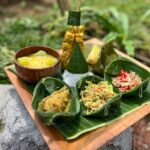
The menu is a set of recognizable Balinese dishes. You’ll cook several during the session, and the exact lineup depends on whether you’re doing the morning class or afternoon class time slot. The class includes dishes such as:
- JUKUT URAB (V)
- SATE LILIT AYAM (V/TOFU)
- CALON BE SIAP WITH CHAYOTE SOUP (V/TOFU)
- TAHU MESANTEN (V)
- DADAR GULUNG (V) ala kdongding
A helpful angle for vegetarians: the class explicitly notes that vegetarian options are available. You just need to tell them in advance so they can prepare the right menu for you. If you have allergies, you should also send special requests before the day—this is one of those experiences where advance info matters.
The chayote soup deserves a quick mention because the class notes the ingredient’s attributes. They describe chayote as low in calories and fibrous, and they mention anti-inflammatory properties and possible support for digestion and weight goals. Keep in mind those are ingredient notes rather than medical promises. Still, it gives you a better reason to enjoy the dish beyond taste.
One of the best value parts here is the structure: you’re not making one dish and calling it done. You’re making multiple dishes, eating what you produce, and receiving the written recipes afterward.
Morning vs afternoon classes: markets, meals, and how to choose
You’re looking at roughly 6 hours total. The class also runs as either a morning version or an afternoon version, and that changes the pacing and the meal.
Here’s the practical difference:
- Morning class ties into the traditional morning market experience and includes lunch, made by you.
- Afternoon class includes the night market side of local food life and includes dinner, also made by you.
Either option works, but I think the choice comes down to what you want most:
- Pick morning if you prefer cooler temperatures and an earlier start.
- Pick afternoon if you like the energy of evening street food and night market browsing.
Also note that coffee/tea and Balinese cake happen before cooking begins, regardless of morning or afternoon. And you’ll be able to refill water at the class for free, though they ask you to bring your own bottle to reduce single-use plastic.
If you’re planning other Ubud stops the same day, leave a cushion. A true hands-on cooking class takes time because you’re not rushing through steps. You’ll want the space to finish, eat, and settle before heading back out.
You can also read our reviews of more tours and experiences in Ubud

Price and logistics: $75 worth it when you factor in what’s included
At $75, you’re paying for more than a meal. You’re buying:
- the market visit,
- a private experience for your group (minimum 1, maximum 12),
- round-trip transport in the Ubud area,
- cooking ingredients and tools,
- each participant’s own cooking station,
- a recipes book,
- and a culinary workshop certificate.
That packaging changes the math. In Bali, you can often pay less for a cooking class, but you usually give up something key: truly hands-on instruction, a meaningful market component, or serious ingredient prep time. This format includes all three, and the focus on traditional paste/sauce technique is a strong reason the session feels educational instead of entertainment.
Transport is where you’ll want to pay attention, because “free pickup” depends on your hotel zone. The class offers free pickup and drop-off in the Ubud and Payangan area. There are extra transfer fees if you’re staying outside that zone:
- Sanur area hotels: IDR 350k (about USD $30) per booking
- Kuta, Seminyak, Legian, Nusa Dua, Jimbaran area hotels: IDR 500k (about USD $35–$40) per booking
One more logistics detail that affects comfort: the vehicle fits up to 6 passengers. If your party is larger (7 to 12), there’s an extra cost of $15 USD per person for guest 7–12.
If you’re traveling solo, this can be great value because the “private” format still applies. If you’re traveling as a family or a small group, the $75 price starts to look even smarter because you’re getting a structured day with transport, meal, and materials included.
Practical tips so you get the most from the hands-on cooking
This class is beginner-friendly in the sense that you get step-by-step guidance and the tools are provided. But it’s still hands-on cooking, so set yourself up for success.
What to bring and do:
- Wear clothes you can move in and that won’t stress you if they smell like spices afterward.
- Bring your own water bottle. You can refill at the class, and the request is to cut down on single-use plastic.
- If you’re vegetarian or have allergies, send those details ahead of time. The vegetarian menu requires preparation.
- Expect traditional technique work: chopping, pounding, pestling, grilling, and then eating. Your hands will get used to it.
What to expect from the teaching style:
You’ll be guided by an expert local chef. The class is associated with names like Nyoman Mahendra, and other sessions have been led by instructors such as Wayan. The teaching approach described in past experiences is hands-on with direction, but not controlling—students do the cooking. That’s why it tends to feel fun instead of stiff.
Also, minimum age is 12 years, and children must be accompanied by an adult. If you’re bringing younger kids, this probably won’t fit.
Should you book this Balinese cooking class near Ubud?
I’d book it if you want a real Balinese cooking experience that includes more than one dish. The Payangan Market start, the family compound setting, and the focus on paste and sauce technique are the big reasons this works. You’re walking away with a skill you can actually repeat, not just a full stomach.
I’d think twice if:
- you need a very predictable indoor-only experience (the class requires good weather),
- your group is outside the Ubud/Payangan pickup zone and the transfer costs add up,
- or you haven’t planned for vegetarian/allergy communication ahead of time.
If you’re the kind of traveler who likes to learn how food gets made—from spice prep to final cooking—this is a strong way to spend a day near Ubud.
FAQ
How long is the cooking class?
It lasts about 6 hours.
Where does the experience start and end?
The start point is Payangan Market (Unnamed Road, Melinggih, Kec. Payangan, Kabupaten Gianyar, Bali 80572). The activity ends back at the meeting point.
Is this class private, or can I be grouped with strangers?
It’s private. Only your group participates, with a minimum of 1 person and a maximum of 12 people per booking.
Are vegetarian meals available?
Yes. Vegetarian options are available, but you need to let them know in advance so they can prepare it.
What dishes will I cook?
The class includes dishes such as JUKUT URAB (V), SATE LILIT AYAM (V/TOFU), CALON BE SIAP WITH CHAYOTE SOUP (V/TOFU), TAHU MESANTEN (V), and DADAR GULUNG (V) ala kdongding.
What’s included in the price?
Included: local cooking class instruction, market visit, welcome drink (Bali coffee/tea) and Balinese cake, spice ingredient testing, hands-on cooking with provided tools and ingredients, a recipes book, culinary workshop certificate, snacks, air-conditioned vehicle, and free pickup/drop-off in the Ubud and Payangan area. Lunch is included for morning classes and dinner is included for afternoon classes.
What if the weather is bad or the minimum number of travelers isn’t met?
The experience requires good weather. If it’s canceled due to poor weather, you’ll be offered a different date or a full refund. If it’s canceled because the minimum isn’t met, you’ll be offered a different date/experience or a full refund.