REVIEW · UBUD
Jambangan Bali Cooking Class
Book on Viator →Operated by Jambangan Bali Cooking Class with market tour · Bookable on Viator
The market walk changes everything. You pick herbs, spices, and even meat cuts, then you cook in a real open kitchen inside a family home. I love that you’re not just eating Balinese food, you’re learning what goes into it, plus you can see daily customs like Balinese offerings and coconut oil processing. One consideration: the market part works best on the earlier slots, and an evening class can mean the market is already closed, so the day may shift.
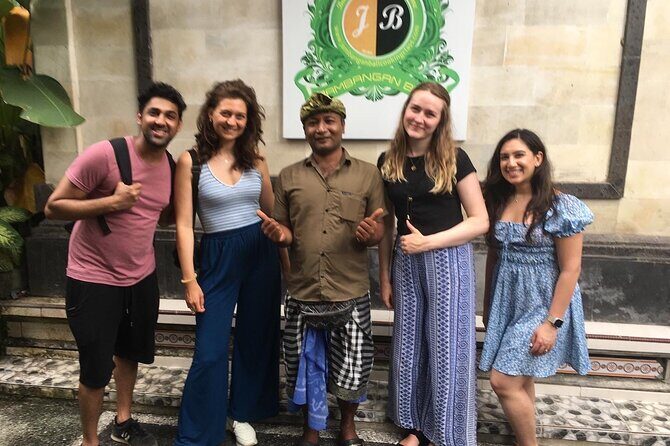
This is a small-group experience (up to 15 people) and the cooking is taught fully in English by Balinese chefs who actually talk through the cuisine and culture, not just recite recipes. You’ll also get an early start that lines up with how locals live and shop, including a look at rice farming work along the way.
After shopping, you step into a beautiful Balinese house setting and cook what you select. The day includes hands-on extras like making a simple offering, learning about daily household rituals, and even a bamboo music lesson on rindik, then you enjoy the meal you cooked in the garden.
In This Review
- Key highlights worth planning for
- Start at Warung JB Jambangan Bali, and why your class time matters
- Tegallalang market shopping: spices, herbs, and real ingredient choices
- Rice paddy glimpses and daily work you can actually see
- Inside a Balinese home: open kitchen cooking where you take the lead
- Coconut oil processing, daily offerings, and making a simple offering yourself
- Rindik bamboo music: a food day with a culture soundtrack
- Eating what you cooked in the garden (and how to get repeatable results)
- English instruction and small-group teaching that keeps you involved
- Price and value: why $34 can feel like a lot more than a meal
- Who should book this Ubud experience, and who may want a different style?
- Should you book Jambangan Bali Cooking Class in Ubud?
- FAQ
- How long is the Jambangan Bali Cooking Class?
- Where do I meet for the class?
- Is lunch included, and is alcohol included?
- Can I choose a lunch or dinner class?
- Are the classes taught in English?
- What’s the group size?
- What cultural activities are included besides cooking?
- What happens if plans change or the weather is bad?
Key highlights worth planning for

- Market-first ingredient picking so your lunch starts with real flavor choices
- Cooking in an open kitchen at a local home, not a demo space
- Hands-on Balinese rituals like making a simple offering and seeing daily offerings
- Coconut oil processing experience that explains something you usually only see in stores
- English-led teaching with small groups so you can ask questions
- Rindik bamboo music as a fun cultural add-on to the food lesson
Start at Warung JB Jambangan Bali, and why your class time matters
This cooking class meets at Warung JB Jambangan Bali in Tegallalang (Jln kelabang moding no 713, Kelabang Moding No. 713, Tegallalang, Kecamatan Ubud, Kabupaten Gianyar, Bali 80571). It’s an easy area to reach using local transportation, and you’ll end back at the same starting point.
The day runs about 5 hours and uses a mobile ticket. Confirmation happens at booking, so you don’t have to stress about last-minute details. Also note the experience needs good weather, and if it gets canceled due to poor weather, you’ll be offered a different date or a full refund.
Pick your timing like a smart traveler. The class description is built around starting early at traditional markets. If you book the dinner slot, be aware that market hours can affect what you see that day. One guest account described a dinner timing that couldn’t include the market because it had closed, and the schedule shifted instead. If you want the market experience to be non-negotiable, the morning choice is the safest bet.
You can also read our reviews of more cooking classes in Ubud

Tegallalang market shopping: spices, herbs, and real ingredient choices
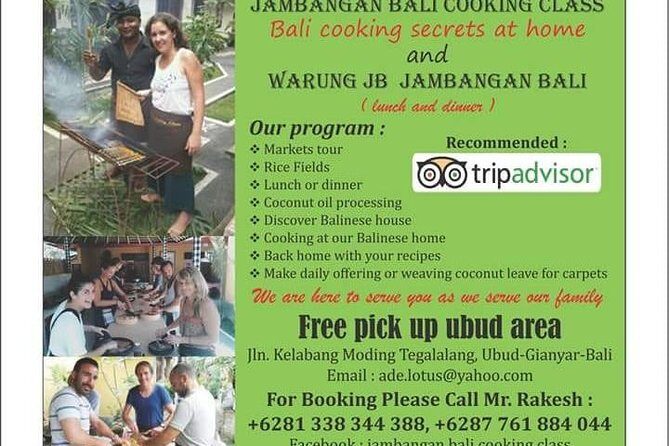
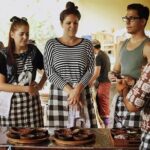
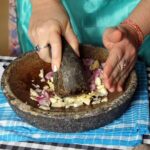
The day begins with a walk through a traditional market where you get to choose your own ingredients. This is one of the best parts, because Balinese flavor is all about the mix: fresh herbs, fragrant spices, and careful ingredient selection.
You can expect to pick things like:
- fresh herbs and spices
- vegetables
- a choice of meat cuts
That might sound simple, but it changes how you cook. When you choose the ingredients yourself, you understand why a dish tastes the way it does. It also helps you remember what to buy back home, and it makes the class feel practical instead of purely instructional.
A nice bonus is the way the market connects to farming life. As you move through the morning routine, the program includes a look at rice farming work. You’re not stuck in one place watching someone else cook; you’re building the full chain from land to plate.
And here’s the practical tip: go in with a curious mindset. Ask what’s fragrant, ask what’s used for what, and pay attention to substitutes. That’s the difference between making a dish that tastes good and making one that tastes like the version you were taught.
Rice paddy glimpses and daily work you can actually see
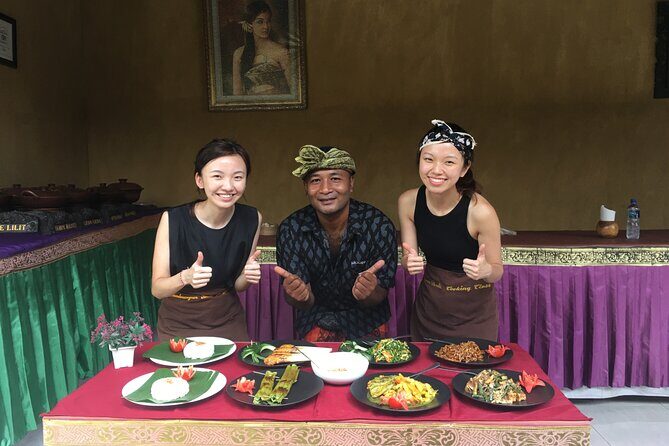
After the market, you’ll get a chance to see rice farming and daily activities, which gives you context for why Balinese cooking is so tied to what grows locally. This isn’t a museum-style “look and go” stop. The point is to help you understand how food culture is shaped by daily work.
Seeing rice paddies in the region also helps you appreciate the ingredient logic behind the cooking. Balinese cuisine often feels like it uses everything carefully: aromatics, staples, and seasonal produce. When you’ve seen the working landscape, the flavors make more sense.
If you’re sensitive to sun or heat, plan for bright conditions after an early start. Comfortable shoes help too, because you’ll be moving around rather than sitting through a slideshow.
Inside a Balinese home: open kitchen cooking where you take the lead
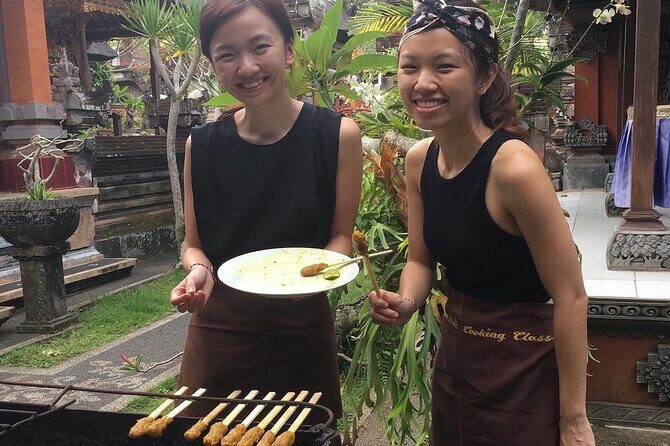
Then you’re welcomed into a Balinese house with a homey, family-centered setting, where the cooking happens in an open kitchen. This matters. Cooking in a home setup tends to feel less like a class and more like being invited into someone’s routine.
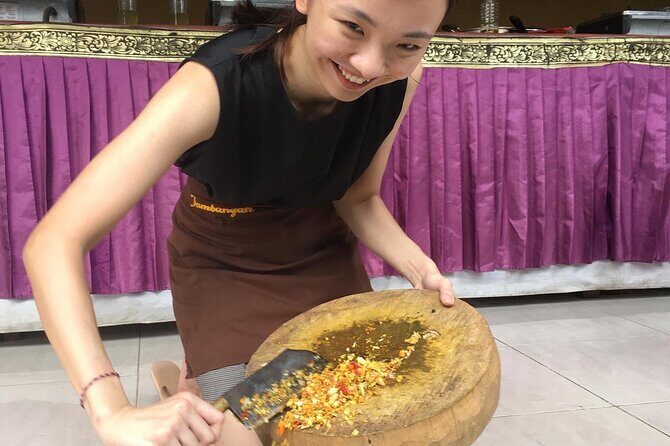
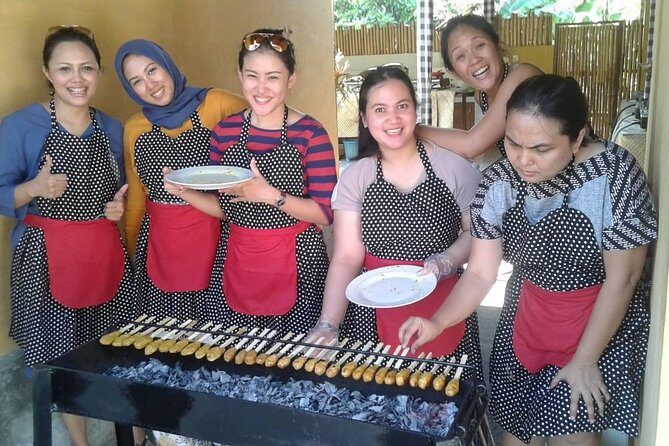
The chefs teach in English, and you can ask questions as you go. The program is hands-on: all the recipes are made by you, not just watched. After you cook, you’ll savor the meal on-site, described as lunch in a garden setting.
What makes this feel authentic is the mix of cooking and everyday life. You’re not only learning recipes; you’re watching how a Balinese family organizes space, food prep, and even small cultural practices. It’s family-friendly in a way that’s hard to replicate in a standard cooking studio.
Also, this is a small group experience (maximum 15), so it’s easier to get personal feedback when you’re chopping, mixing, or building flavors.
Coconut oil processing, daily offerings, and making a simple offering yourself
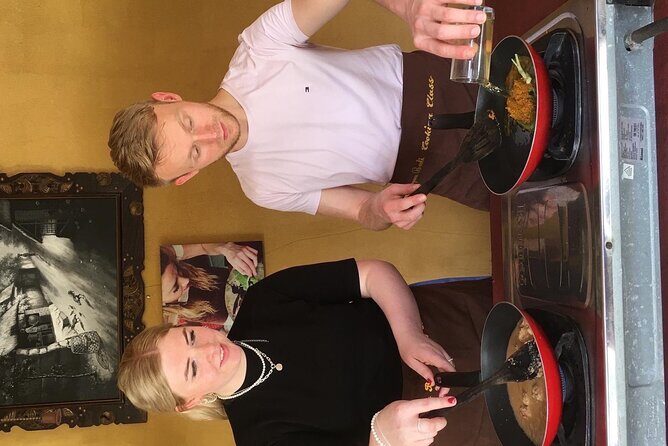
Food is the headline, but the cultural add-ons are a big reason this works so well.
The experience includes:
- authentic coconut oil processing
- learning how to make a simple offering
- witnessing the household daily offering
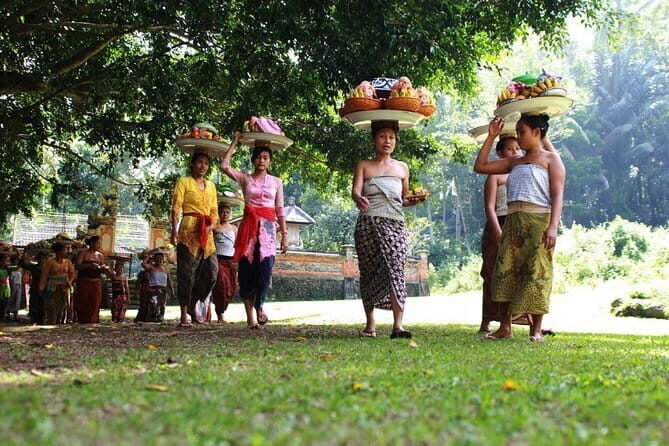
Balinese daily offerings are part of everyday rhythm, not something reserved for holidays. When you see it in action, and then you make a small offering yourself, you connect the practice to the wider culture that surrounds food. It also helps explain why meals and rituals often feel linked.
The coconut oil piece is especially practical. Coconut oil is everywhere in Bali cooking, but in many places you only encounter it as an ingredient in a bottle. Processing it yourself (even as a guided demonstration) helps you understand the ingredient’s role and where it comes from.
If you’re the type who loves to learn how things are made, not just how they taste, these parts will be more memorable than another plate you eat.
You can also read our reviews of more tours and experiences in Ubud

Rindik bamboo music: a food day with a culture soundtrack
One of the more fun and unusual parts is music. The class includes a traditional Balinese activity: playing rindik, a bamboo music style.
This isn’t just background. It’s part of the home visit experience, and it gives you a sense of the sounds and everyday arts that sit next to daily food prep. It also makes the day feel lighter after market shopping and kitchen work.
If you’re traveling with kids, this kind of hands-on cultural activity can be a win. And even if you’re an adult with a strict food schedule, rindik is the kind of extra that makes the day feel whole.
Eating what you cooked in the garden (and how to get repeatable results)
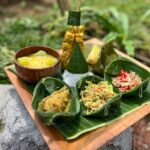
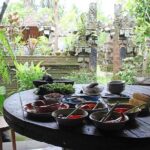
After cooking, you’ll eat the dishes you made. The program describes enjoying your lunch in the garden setting, which is a nice shift from indoor dining.
One detail I really like for value: you get recipes tied to what you cooked, so it’s not a one-day memory. Having a written recipe helps when you try to recreate Balinese flavors later and need a reliable reference for spice combos and steps.
Alcohol isn’t included, so if you plan to pair drinks with your meal, budget for it separately. Your best move is to treat this as a food-focused session and save restaurant alcohol for another night.
Dietary needs are worth mentioning before you go. One account described that the hosts worked around a chicken allergy. So if you have allergies or specific restrictions, tell the organizer ahead of time to increase your chances of a smooth experience.
English instruction and small-group teaching that keeps you involved
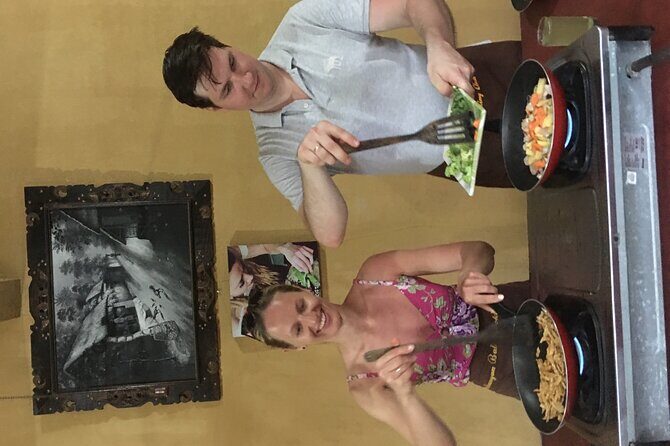
The chefs run the class fully in English and talk through Balinese cuisine and culture. That combination matters because Balinese cooking isn’t only technique; it’s ingredient thinking and cultural context.
In a group of up to 15, you’re more likely to get hands-on attention and clearer explanations. It’s also easier to ask follow-up questions while you’re actually cooking, when you can act on the answer immediately.
You’ll likely meet different chefs depending on the day. Names mentioned in the experience context include Putu, Wayan, and Made. Whoever teaches you, the theme stays the same: English explanations plus real Balinese kitchen experience.
Price and value: why $34 can feel like a lot more than a meal
At $34 for about 5 hours, this is priced like an activity, not just a cooking meal. The value comes from the “stack” of included experiences: market ingredient selection, cooking instruction, a family-home setting, daily offering experiences, coconut oil processing, and cultural add-ons like rindik music.
Lunch is included. Alcohol is not included. That’s a normal trade-off, but it’s worth keeping in mind so the final bill doesn’t surprise you.
Here’s the value logic that’s practical: you’re paying for access. You’re using equipment and techniques you may not have at home, and you’re learning ingredient selection at a place you can’t easily replicate later unless you know what to look for. The result is a day that teaches you how to cook Balinese flavors rather than only how to eat them once.
Who should book this Ubud experience, and who may want a different style?
This fits best if you:
- love food and want to understand what goes into it
- want culture that connects to daily life, not just a performance
- enjoy hands-on activities and learning by doing
- travel with kids or anyone who does better with interactive experiences
- care about small-group attention (it caps at 15 people)
You might want a different option if you’re looking for a very structured, classroom-style cooking class with minimal cultural elements. This experience mixes cooking with rituals and home life, and that’s the point.
Also, if you’re short on time in Ubud, remember this is about 5 hours and starts early. Plan the rest of your day loosely, with room for rest afterward.
Should you book Jambangan Bali Cooking Class in Ubud?
I think this is a strong choice if you want a Balinese cooking class that feels like a real local day: market shopping, open-kitchen cooking, and culture that touches daily offerings and coconut oil. The pricing is reasonable for what’s included, especially with lunch and the fact that you cook the recipes yourself.
Book it when you can, but pick your time carefully. If the market part is your top priority, aim for the earlier class slot so you don’t run into closing-hour issues. If you’re traveling with dietary restrictions, send a message ahead of time so the team can guide you safely.
If your idea of a great Ubud day is food with context, this delivers.
FAQ
How long is the Jambangan Bali Cooking Class?
It runs for about 5 hours.
Where do I meet for the class?
You start at Warung JB Jambangan Bali, Jln kelabang moding no 713, Tegallalang, Kecamatan Ubud, Kabupaten Gianyar, Bali 80571, Indonesia.
Is lunch included, and is alcohol included?
Lunch is included. Alcohol is not included.
Can I choose a lunch or dinner class?
Yes, you can choose between a lunch class and a dinner class.
Are the classes taught in English?
Yes. The classes are conducted in English.
What’s the group size?
The maximum group size is 15 travelers.
What cultural activities are included besides cooking?
Besides cooking, you can experience coconut oil processing, learn how to make a simple offering, witness the household daily offering, and play rindik (Balinese bamboo music).
What happens if plans change or the weather is bad?
There is free cancellation up to 24 hours in advance for a full refund. The experience requires good weather, and if it’s canceled due to poor weather, you’ll be offered a different date or a full refund.
If you want, tell me whether you’re considering lunch or dinner, and I’ll help you choose the best option based on what you want most: market time, cooking time, or the extra cultural stops.