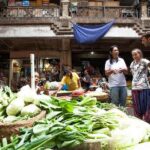
REVIEW · UBUD
Farm-to-Table Balinese Cooking Experience
Book on Viator →Operated by Genuine Bali Experience · Bookable on Viator
Your lunch starts at the market. This Ubud experience pairs a guided market ingredient hunt with a hands-on cooking class, using organic produce from a farm. You’ll also enjoy countryside views and finish by eating the lunch you prepared.
Two things I like a lot are the hands-on cooking lesson with a local expert and that lunch (plus bottled water) is included. I also find the included recipe PDF a smart add-on for repeating the flavors at home.
One consideration: the price may feel high for Bali. At $47.31 per person it’s not outrageous, but I’ve seen cost concerns in the feedback, including totals around $AUD180, so it’s worth checking value against other Ubud cooking classes.
In This Review
- Key highlights you’ll feel immediately
- A Farm-to-Table Day in Ubud: Market First, Lunch Last
- Ubud Market Tour: Choosing Ingredients Like a Local
- The Cooking Class: Organic Farm Produce Meets Hands-On Learning
- Lunch You Made: Why It Tastes Different Here
- Visiting a Balinese Family Home: Daily Life Beyond the Kitchen
- Views, Timing, and the Comfort of a Small Group
- Price and Value: What $47.31 Really Buys in Ubud
- Who This Ubud Cooking Experience Fits Best
- Practical Tips for Getting the Most Out of the Day
- Should You Book This Farm-to-Table Cooking Class in Ubud?
- FAQ
- How long is the Farm-to-Table Balinese Cooking Experience?
- What’s included in the price?
- Do they offer pickup and drop-off?
- What is the maximum group size?
- What happens if the weather is poor?
- What is the cancellation policy?
Key highlights you’ll feel immediately
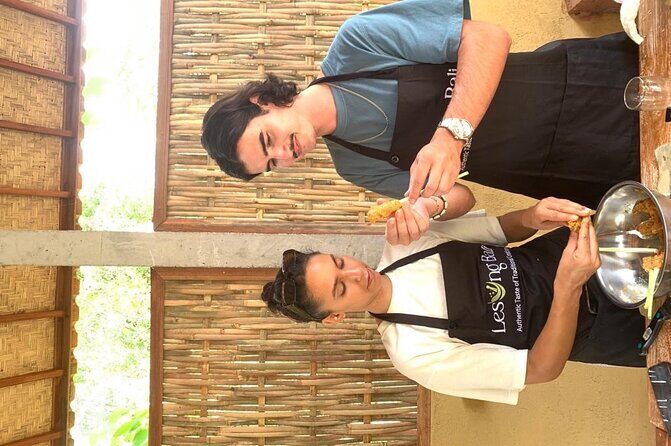
- Market tour for ingredient shopping: you pick fresh items from local vendors before you cook
- Organic, farm-to-table cooking: traditional dishes made with produce harvested from the farm
- Countryside views during the class: you’re cooking with scenery in the background
- Visit to a Balinese family home: learn about daily life and the local way of living
- Lunch is included: you eat what you helped make, no extra meal hunting
- Small group size (max 15): more hands-on attention and easier movement
A Farm-to-Table Day in Ubud: Market First, Lunch Last
This is the kind of cooking class that starts early in your head, not your stomach. You begin with a guided market tour where you choose ingredients, then you move into the kitchen to cook traditional Balinese dishes with organic farm-fresh produce. By the time you sit down to eat, the meal feels earned because you helped build it.
I like experiences like this because they reduce guesswork. Instead of just watching a demo, you’re active from the first stop—choosing ingredients, then preparing your lunch with a local expert. And since pickup and drop-off in the Ubud area are included, you don’t waste time figuring out transport.
The day is also designed for a slower pace. You’ll spend time with views of the lush countryside while you cook, and there’s a home visit that shifts the tone from food-only to life in Bali. That balance—food, place, and people—is usually where the best value sits.
You can also read our reviews of more cooking classes in Ubud

Ubud Market Tour: Choosing Ingredients Like a Local
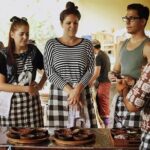
The market segment is the anchor of the whole experience. A guide takes you through the vendors so you can hand-pick fresh ingredients, instead of being given a preset list. That matters because Balinese cooking is strongly tied to what’s available and what’s fresh, and the ingredient choices you make set the direction for the dishes you’ll prepare later.
Here’s how to get the most out of this part. Go in with curiosity, not speed. Ask your guide what the ingredients are used for and what to look for when selecting quality. If you’re the type who likes to know what you’re eating, this is where you’ll get the “why,” not just the “how.”
Also, a market visit is often where you pick up practical habits—like how vendors talk about freshness and how people shop for daily cooking. Even if you don’t remember every detail, you’ll leave with a clearer sense of Balinese everyday food culture rather than just a list of dishes.
The Cooking Class: Organic Farm Produce Meets Hands-On Learning
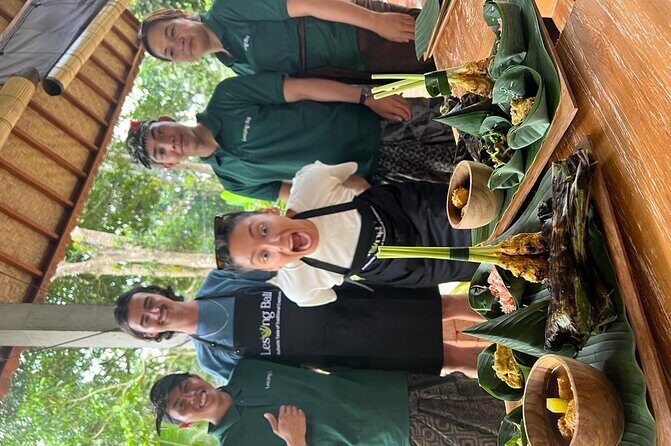
After the market, you move into the cooking part of the day with a clear advantage: you already selected the ingredients. In other words, you’re not cooking with mystery bags. You’re cooking with produce tied to the farm-to-table theme of the experience, using organic ingredients harvested from the farm.
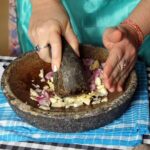
A hands-on cooking class in Bali is most satisfying when it stays practical. You’ll work with your local expert as you prepare traditional dishes, and you’ll learn as you go rather than memorizing a script. This format is especially good if you want to understand technique—because you can see cause and effect right away: ingredient choice, prep style, cooking steps, then taste.
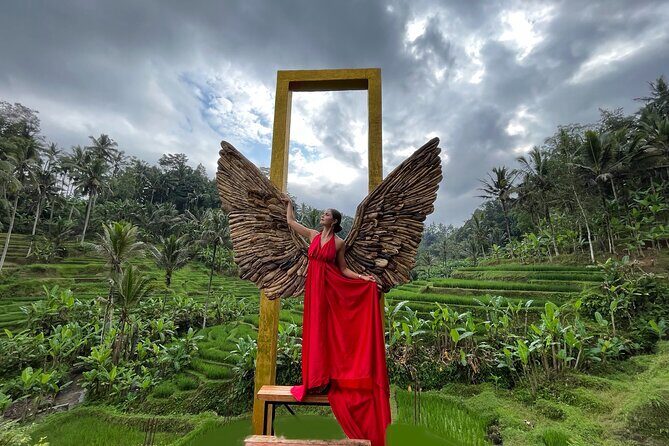
You’ll also get the big visual reward during this stage: stunning countryside views. That sounds like a marketing line, but here it actually affects the experience. Cooking outdoors with scenery in view makes the time feel lighter, and it helps the day feel like a real outing rather than a timed restaurant stop.
Lunch You Made: Why It Tastes Different Here
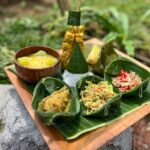
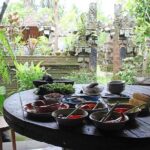
Lunch is included, and that’s a major value point. You’re not finishing the class and then hunting for something nearby with the same tired “where do we eat?” feeling that often hits in Ubud.
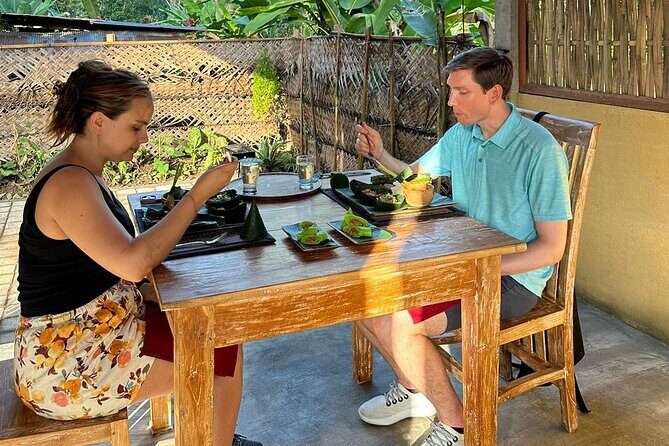
Sitting down to eat what you prepared is also psychologically satisfying. When you’ve chosen ingredients and worked in the kitchen, your attention shifts from just flavor to process. You notice balance, texture, and the way the dishes come together—because you were part of the process.
And yes, it’s also simply convenient: bottled water is included, so you don’t have to track down basic supplies during a longer, structured day.
Visiting a Balinese Family Home: Daily Life Beyond the Kitchen
One of the most memorable pieces here is the visit to a local Balinese family in their home. This is where the experience stops being only a cooking class and starts showing the island’s daily rhythm—how people live, not just what they eat.
You may find this part changes your food perspective. When you see the home setting and understand daily life, the cooking feels less like a performance and more like something that belongs to real routines. You also get a fuller picture of Balinese culture and traditions through everyday context rather than a lecture.
How to approach this respectfully? Keep your questions simple and listening-first. If you’re photographing, be mindful and follow the lead of your host and guide. The goal is to understand daily life, not to turn it into a checklist.
You can also read our reviews of more tours and experiences in Ubud

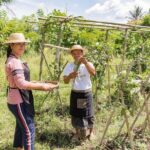
Views, Timing, and the Comfort of a Small Group
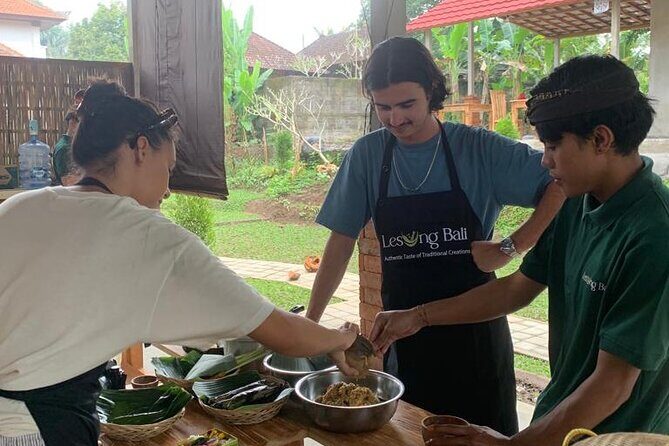
The total duration is about 3 hours 30 minutes, including pickup and drop-off in the Ubud area. That’s long enough to do real market shopping, cook with purpose, and enjoy lunch—without stretching into an all-day commitment.
The group size is max 15 travelers. In a kitchen setting, that number matters. Smaller groups usually mean you spend less time waiting, and your guide can give clearer attention while you cook. It also makes the home visit and transitions feel more manageable.
Timing can also affect how good the day feels. Morning-to-lunch pacing tends to keep energy up and reduces the chance you’ll be too hungry (or too full) to learn and enjoy. If you’re planning your Ubud day, try to treat this as a core activity and build around it rather than stacking it with multiple other major stops.
Price and Value: What $47.31 Really Buys in Ubud
Let’s talk money in plain terms. The listed price is $47.31 per person, and what you get includes lunch, bottled water, pickup and drop-off in the Ubud area, and a recipe PDF. It also includes the guided market tour and the cooking class with a local expert, plus the home visit.
So what are you paying for?
- You’re paying for structured local guidance across multiple parts of the day: market, cooking, and cultural context.
- You’re paying for convenience: pickup/drop-off inside Ubud and no need to organize separate transport.
- You’re paying for “learning-through-doing,” not just tasting.
Now, the fair warning: cost can feel high in Bali depending on your comparison set. I’ve seen feedback noting the experience can end up feeling expensive, with some totals cited around $AUD180. That doesn’t automatically mean it’s overpriced—it means you should compare value carefully.
My advice: when you compare, don’t only compare “cooking class price.” Compare what’s included end-to-end. A market component, lunch, transport, and a recipe PDF add real value and can justify the cost if you’ll actually use what you learn. If you mostly want a quick meal and a short demo, you may find cheaper options that feel closer to your expectations.
Who This Ubud Cooking Experience Fits Best
This is a great fit if you want more than a cooking show. You’ll enjoy it most if you like stepping into the food system—choosing ingredients, cooking with farm-fresh produce, and then eating lunch you made.
It also suits you if you care about culture in a grounded way. The market tour plus a Balinese family home visit give you more context than a purely culinary stop. If you’re the type who likes to understand how daily life shapes food, this part can be a highlight.
On the flip side, it might not fit if you’re traveling on a strict budget or if you prefer shorter, simpler experiences. The price point can be a sticking point, especially when you see lower-cost cooking alternatives.
Practical Tips for Getting the Most Out of the Day
You don’t need anything fancy, but a few choices can improve the experience:
- Wear comfortable shoes. You’ll be moving between the market, cooking area, and lunch sit-down.
- Plan on getting a bit busy. This is a hands-on class, so avoid outfits that you’re nervous about getting stained.
- Bring your appetite. Lunch is included, but cooking works up an appetite faster than you expect.
- Use the recipe PDF after you get home. It’s included for a reason, and it helps you turn this into more than a one-time meal.
Also, keep your expectations aligned. This is not a “stay seated and watch” activity. It’s a guided day where you actively participate.
Should You Book This Farm-to-Table Cooking Class in Ubud?
Book it if you want an end-to-end Balinese food experience: market shopping, hands-on cooking, lunch included, plus the home visit that adds real-life context. If that sounds like your kind of day, you’re likely to feel it was worth your time.
Skip or compare harder if price sensitivity matters to you. Some feedback flags cost as high, and you may see currency totals that feel steep. Before committing, compare what other options include—especially pickup/drop-off and meals—so you’re not comparing an apples-to-oranges deal.
If you’re flexible and you want an authentic Ubud experience that connects ingredients to culture, this one makes sense.
FAQ
How long is the Farm-to-Table Balinese Cooking Experience?
It lasts about 3 hours 30 minutes.
What’s included in the price?
Lunch, bottled water, pickup and drop-off within the Ubud area, and a recipe PDF are included.
Do they offer pickup and drop-off?
Yes—pickup and drop-off are included for the Ubud area.
What is the maximum group size?
The experience has a maximum of 15 travelers.
What happens if the weather is poor?
The experience requires good weather. If it’s canceled due to poor weather, you’ll be offered a different date or a full refund.
What is the cancellation policy?
Free cancellation is available up to 24 hours in advance for a full refund. If you cancel less than 24 hours before the experience starts, you won’t get a refund.